Why the Waist Bag Still Matters in a Practical Product Line
The waist bag has moved well beyond the old stereotype of a tourist accessory. In today’s market, it sits at the intersection of convenience, hands-free carry, and light-duty organization, which is why buyers keep returning to it for travel programs, retail collections, activewear assortments, and promotional lines. For sourcing teams, the real question is not whether the format is familiar. It is which version fits the use case, the customer profile, and the cost target without creating avoidable complaints later.
That is the decision this article helps with. A waist bag can be a small product, but the details matter: strap stability, zipper quality, pocket layout, fabric hand-feel, and whether the silhouette looks sporty, urban, or utility-driven. Those choices affect sell-through more than many brands expect.
Quick Takeaways for Buyers
If you need a fast read on the category, here is the short version:
A fanny pack is usually the broad consumer term, while a crossbody waist bag signals a more style-led wear option.
A unisex belt bag tends to work well for mass retail because it avoids narrow gender positioning.
A travel waist bag should prioritize security, slim storage, and low-profile wear under or over clothing.
A running waist pack needs bounce control, breathable contact surfaces, and a shape that stays close to the body.
A sports fanny pack or outdoor waist bag can take a slightly more rugged look, often with more compartments and tougher fabric finishes.
That sounds simple, but the wrong assumption at the sampling stage can lead to returns. A fashion buyer and a sporting-goods buyer may both ask for “the same thing” and mean very different products.
What Makes a Good Waist Bag Product
At base, a waist bag is a compact carry solution worn around the waist or across the torso. The challenge is balancing storage against bulk. If the bag looks too thin, it may not hold a phone, keys, wallet, and small extras comfortably. If it grows too deep, it starts to ride awkwardly and can make the wearer feel overloaded.
The best-performing models usually manage three things well:
- Fit: The strap should adjust smoothly and stay put when moving.
- Access: Zippers and pocket openings should be easy to reach without fumbling.
- Shape retention: The bag should not collapse into a soft lump when lightly loaded.
Fabric choice matters too. Lightweight woven materials are common in casual and travel styles, while more structured textiles are often preferred when a cleaner silhouette is important. For active use, buyers should pay attention to back-panel comfort and any padding, even if it is minimal. A little support goes a long way.
Type Breakdown by Use Case
Travel waist bag
A travel waist bag usually serves as a pocket substitute. It should be compact, easy to open, and not advertise its contents. Buyers often look for subdued colors, secure zippers, and enough room for passports, cards, or a phone. One practical caution: if the bag is oversized, it may stop feeling “travel-friendly” and start feeling bulky at the airport or in crowds.
Running waist pack
For running and fitness use, stability is the priority. The bag has to remain close to the body during movement. A narrow profile, a controlled strap system, and breathable materials are more valuable here than extra volume. Water resistance can be helpful, but overbuilding the product can make it less comfortable during longer wear.
Unisex belt bag and crossbody waist bag
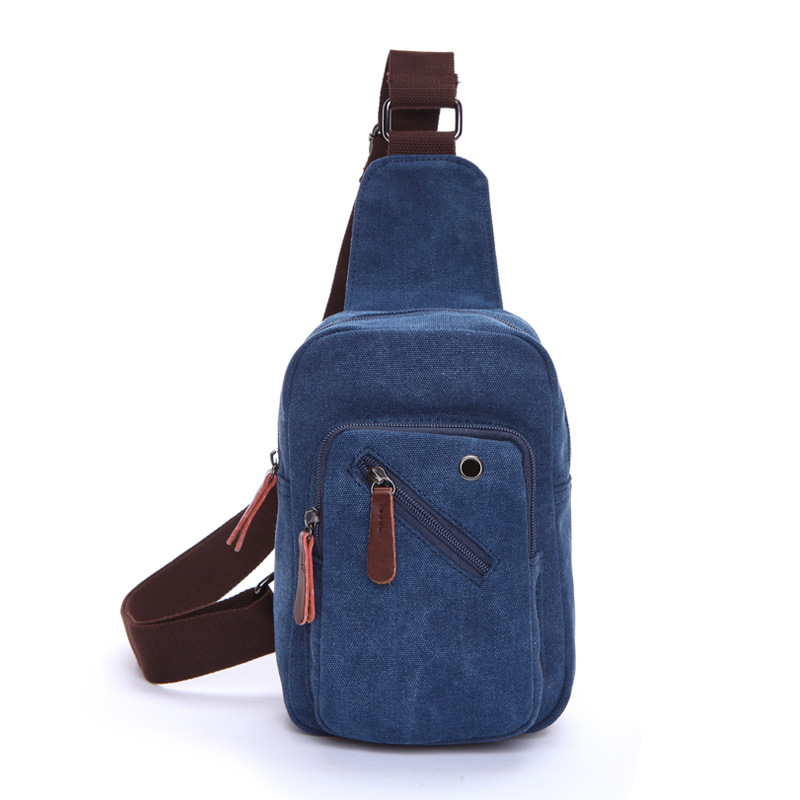
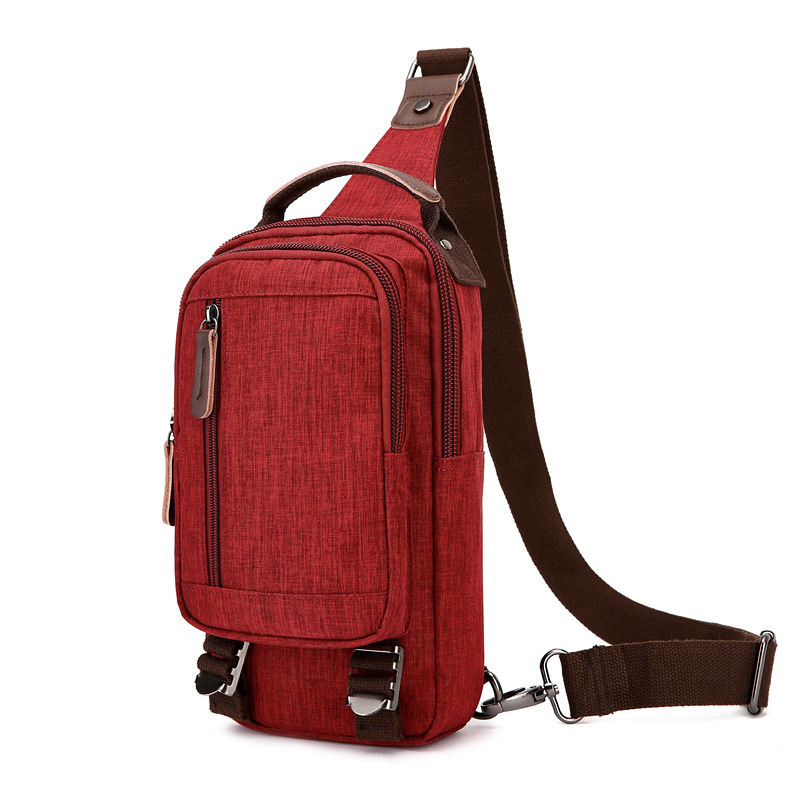
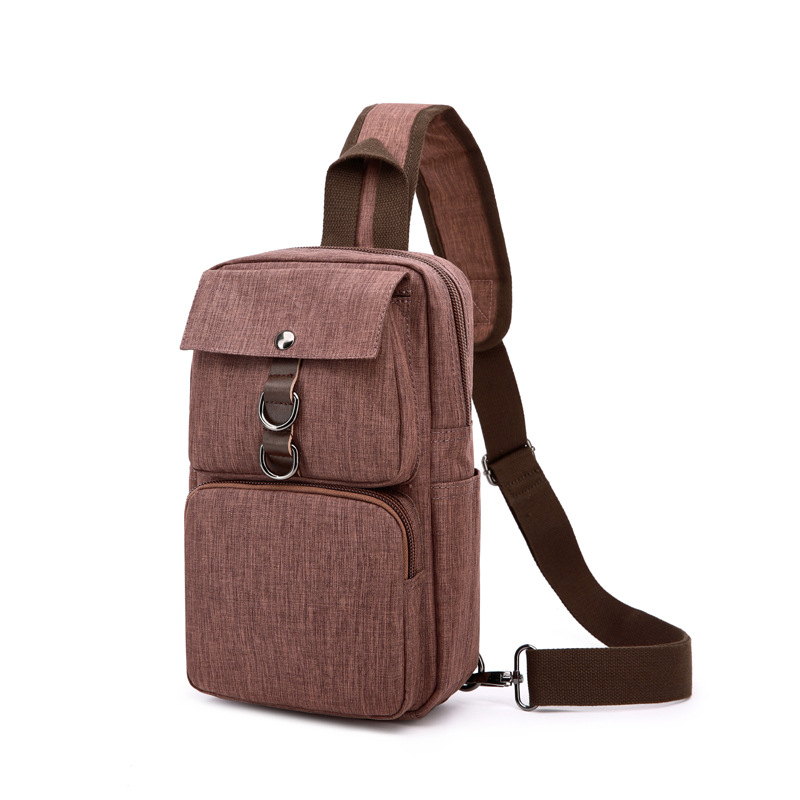
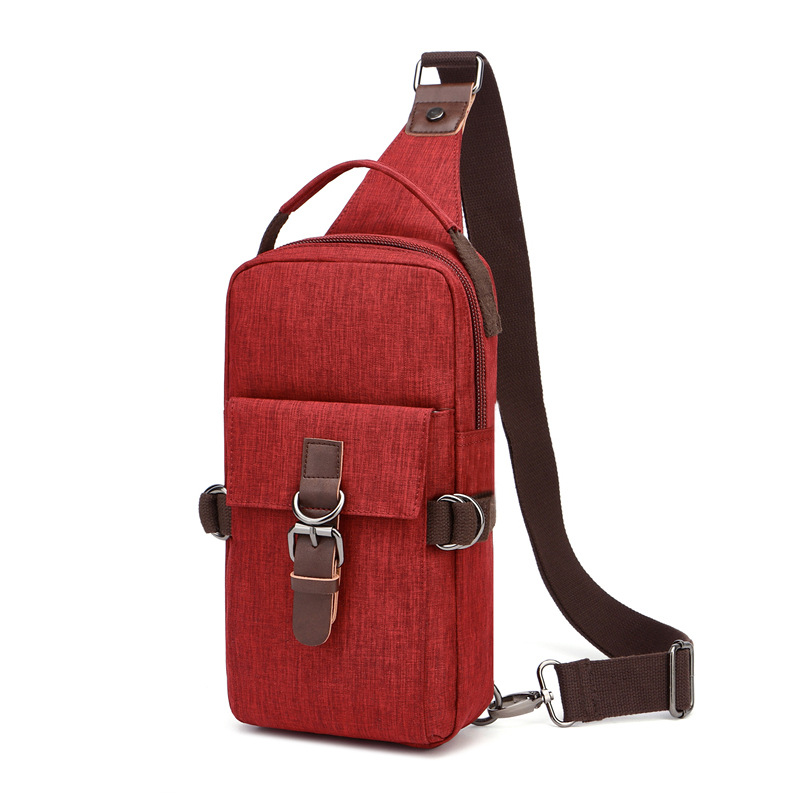
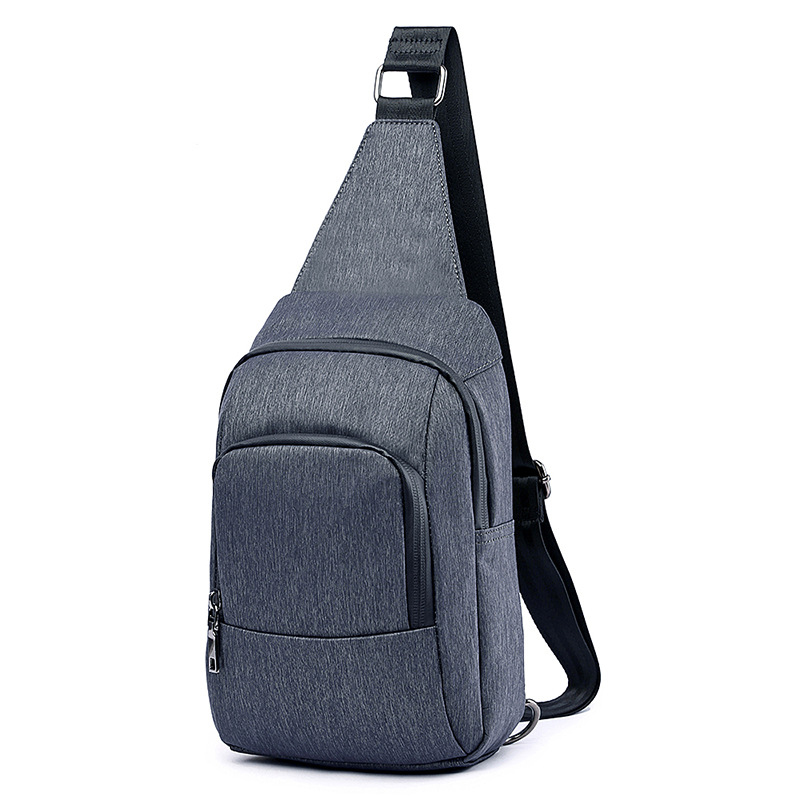
These are often the strongest options for lifestyle retail because they can be marketed across genders and age groups. A crossbody waist bag especially reflects current styling habits, where the bag is worn diagonally rather than strictly at the waist. That gives brands room to position the item as fashion-forward without changing the core construction too much.
Outdoor waist bag and sports fanny pack
These versions usually need more pockets, sturdier stitching, and a tougher visual language. They are commonly aimed at hiking, commuting, or general utility use. Still, buyers should avoid adding too many features unless there is a clear consumer need. Extra loops and zips look impressive in a spec sheet, but they can also raise cost and add clutter.
Selection Criteria That Actually Affect Sell-Through
When sourcing a waist bag, compare samples on more than appearance. Ask how the product will be worn, what will be carried, and how often the user expects to access the contents. A design that works for quick errands may fail in an active setting, while a rugged outdoor style may feel unnecessarily heavy for city retail.
A few selection questions are worth keeping close:
- Does the opening allow quick access without spilling contents?
- Is the strap comfortable enough for extended wear?
- Does the bag sit flat, or does it bulge awkwardly when filled?
- Will the style read as premium, sporty, or casual in the target market?
- Are the pocket sizes realistic for modern essentials, especially phones?
These questions sound basic, but they are where many programs succeed or stumble.
Common Buyer Mistakes
One common mistake is treating every waist bag as interchangeable. They are not. A product designed as a fanny pack for fashion retail may not satisfy a customer looking for a running waist pack. Another mistake is over-specifying the product with too many compartments. Consumers often want organization, but not a maze.
Another practical warning: don’t overlook strap hardware. Cheap adjusters can slip, and that creates a poor user experience even when the rest of the product looks fine. Buyers sometimes focus on fabric first, because that is easy to see, but hardware and stitching often determine whether the item survives real use.
Buyer Advice for Product Teams
If you are developing a new waist bag line, start by defining the wearing style and use case before locking in materials or decorative details. That sequence saves time. It is also useful to think about the product in relation to the rest of the assortment. A travel waist bag may sit beside backpacks and packing accessories, while a crossbody waist bag may compete more directly with small slings and fashion purses.
For seasonal or promotional programs, simpler construction often sells better than complicated feature lists. For performance or outdoor programs, function should lead and styling can follow. That balance is easy to say and sometimes difficult to hold in a sample review, especially when a flashy add-on appears to “improve” the product.
FAQ
Is a fanny pack the same as a waist bag?
Usually, yes in broad consumer terms. In practice, the naming often depends on market position and style intent.
What is best for active use?
A running waist pack is generally better for movement because it is built to stay stable and close to the body.
Can one design work for men and women?
Yes. A unisex belt bag is often the most flexible format for general retail, provided the proportions and colors are kept broad enough for the target market.
Which version works best for travel?
A travel waist bag with secure closures, slim volume, and sensible pocketing is usually the safest choice.
Next Step for Sourcing Teams
Before placing a bulk order, ask for samples in the intended wear position and test them with the items your customers will actually carry. A waist bag can look right on a flat lay and still disappoint on-body. That is the real test, and it is worth the extra time.