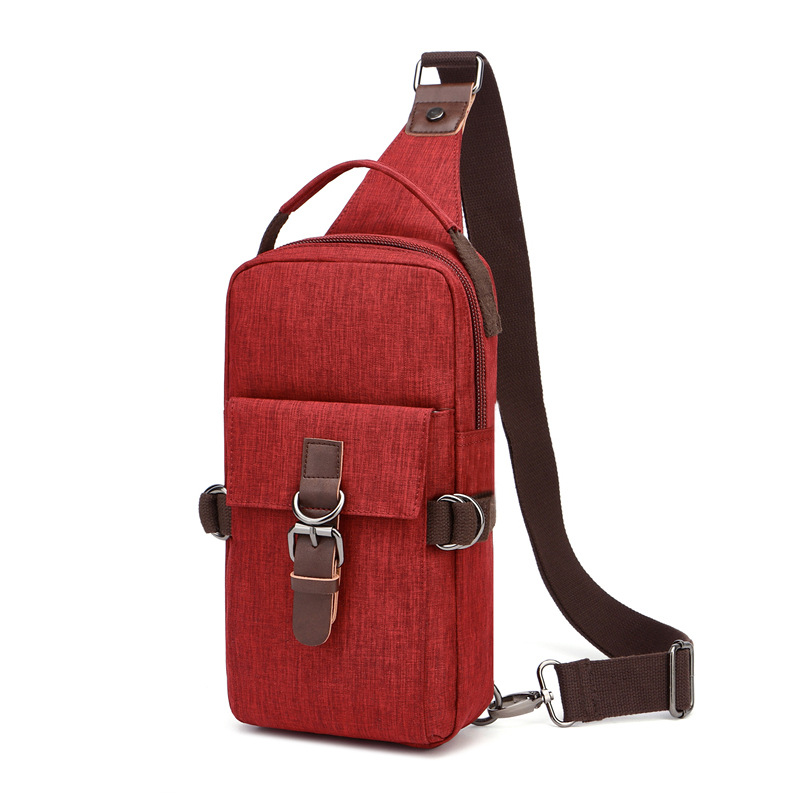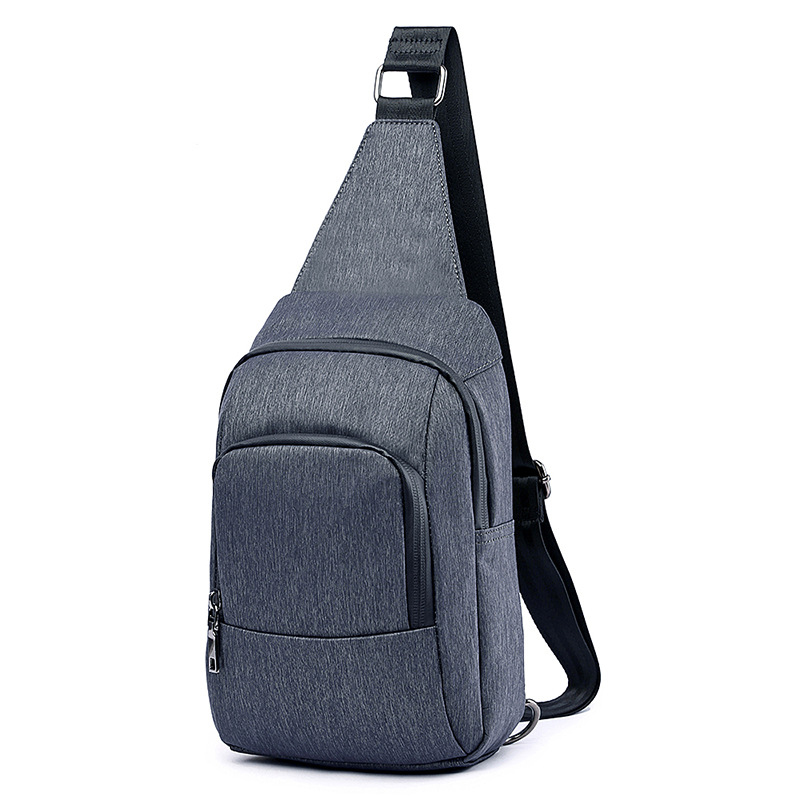
Sling bags: why this small format keeps winning in travel, retail, and everyday carry
A sling bag has moved far beyond being a trend piece. For buyers, product teams, and sourcing managers, it sits in a useful middle ground: smaller than a backpack, more stable than a loose shoulder bag, and easier to access than a tote. That matters because the modern carry market is built around convenience, mobility, and a clean silhouette. Whether the end user wants a crossbody sling bag for commuting or a travel sling bag for airport days, the product is usually being judged on the same few things: comfort, pocket layout, security, and how well it handles daily wear.
For brands and retailers, the decision is not simply “does it look good?” It is “who is this bag for, what will they carry, and what pain point does it solve better than a backpack or a wallet-on-strap style?” That is the real buying question.
What a sling bag does better than larger carry formats
The appeal is straightforward. A sling bag keeps essentials close to the body and easy to reach. Compared with a traditional backpack, it often gives faster access to a phone, passport, transit card, power bank, or compact notebook. Compared with a shoulder bag, it tends to stay more secure during movement because the strap crosses the torso.
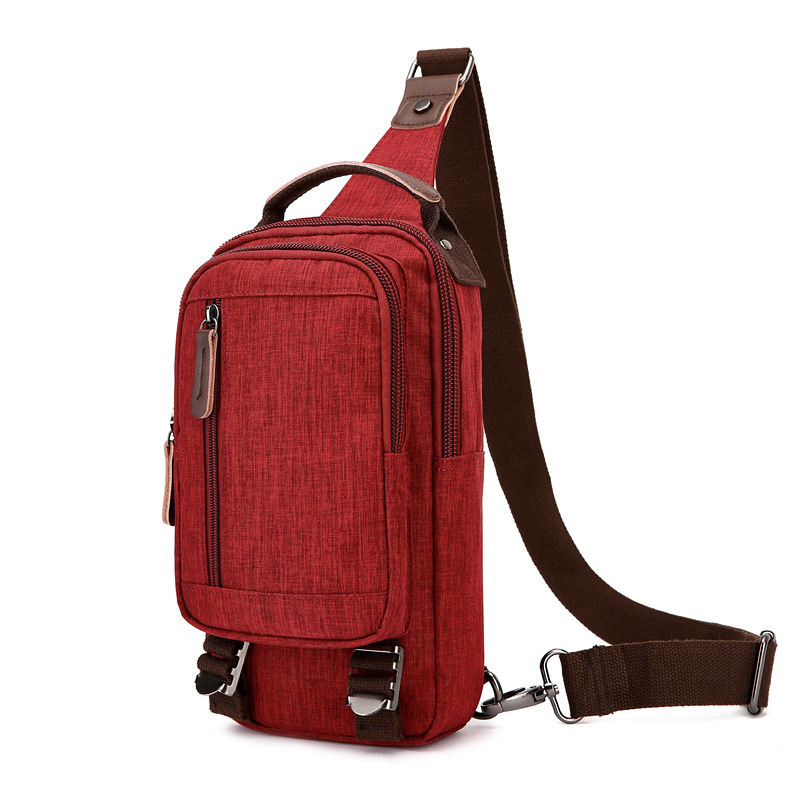
That is why the format shows up across very different customer segments. A men sling bag may be positioned as an urban utility item, while a women sling bag may lean more toward styling, lighter carry, and color variety. The underlying product architecture can be similar, but the market message changes.
Quick reference: where the format fits best
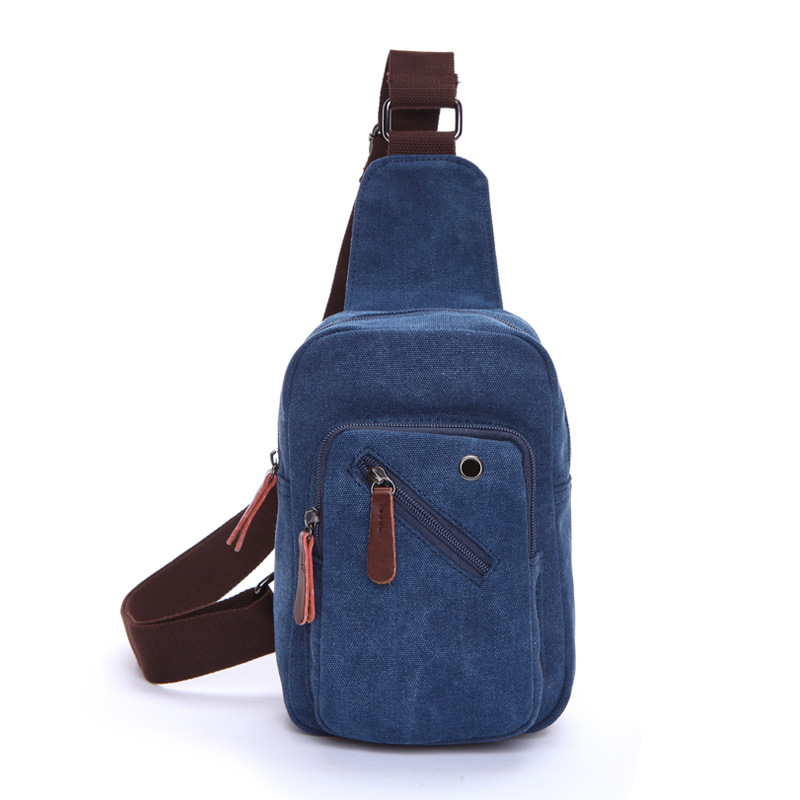
A casual sling bag usually works for commuting, weekend errands, and light city use.
A mini sling bag is often chosen when the buyer wants only the bare essentials: cards, keys, earbuds, and a phone.
An anti theft sling bag makes sense when security features matter more than fashion-first styling.
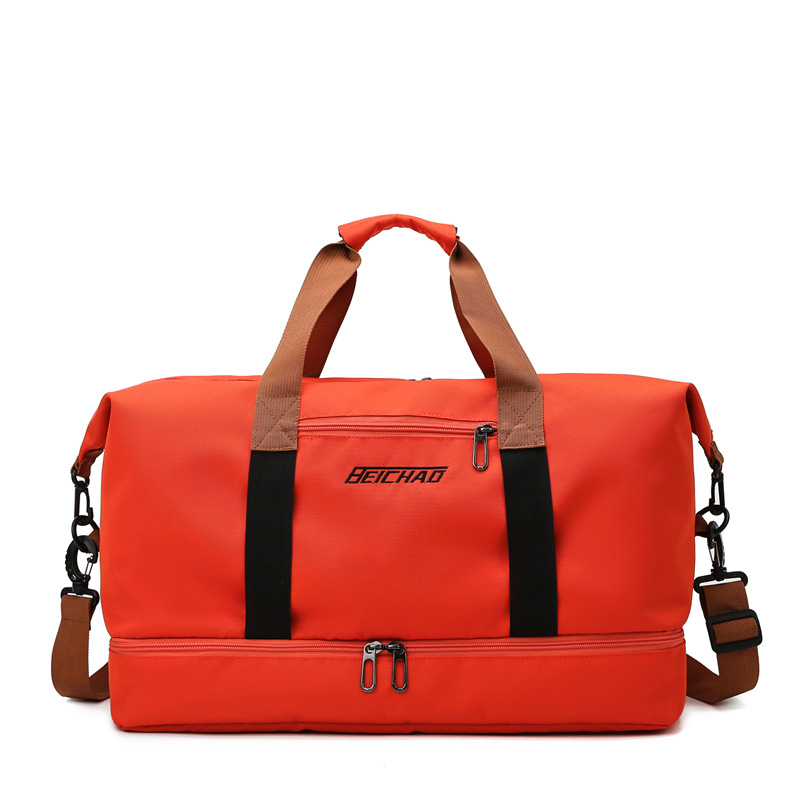
A travel sling bag is usually expected to manage passports, boarding passes, and small electronics without creating bulk.
Design details that matter more than people expect
In this category, small details make a big difference. Strap geometry is one of them. If the strap sits awkwardly or cannot be adjusted smoothly, the bag becomes annoying fast. The same is true for zipper placement. A pocket that looks attractive in product photography may be nearly useless if the opening is too shallow or blocked by seams.
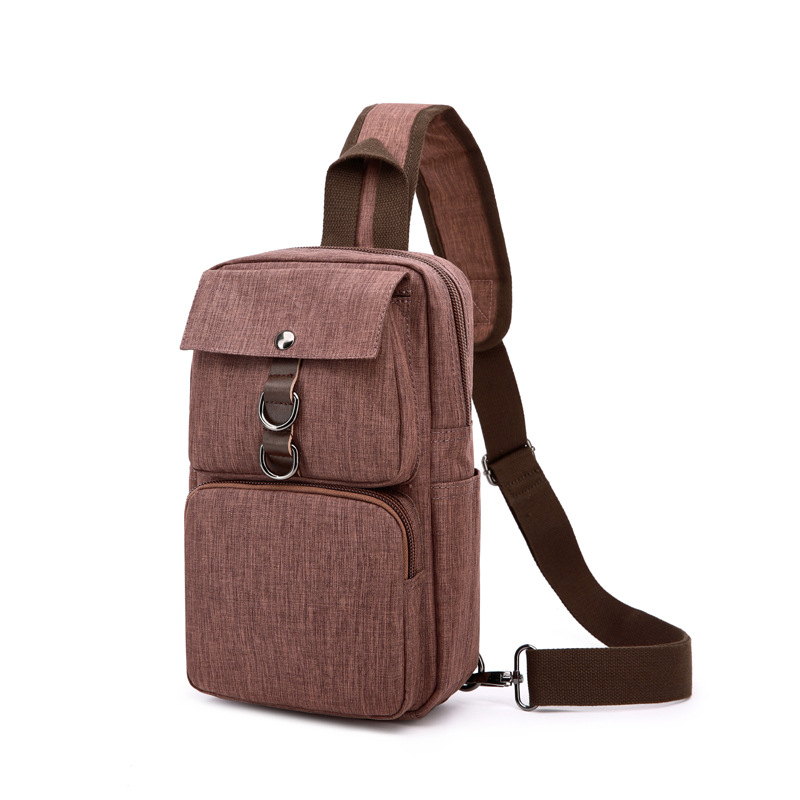
Material choice also changes the end use. Lightweight synthetic fabrics may suit a casual sling bag or daily commuter line. More structured materials can help a product hold its shape, which matters when the bag is sold as a neat city accessory rather than a soft utility pouch. For anti theft sling bag designs, buyers often look for hidden zippers, rear-facing compartments, or layouts that reduce easy access in crowds. None of these features are magic by themselves, but together they improve perceived safety.
There is one practical caution here: adding too many compartments can slow the user down. Some products try to solve every use case and end up making the bag feel overdesigned. A clean layout with a few logical pockets often performs better than a crowded interior.
Selection criteria for sourcing and merchandising
When evaluating a sling bag program, buyers usually get the best results by starting from use case, not from style alone.
Ask what the bag must carry. A phone-only format can be very different from one that needs to hold a small bottle, sunglasses, and travel documents.
Check how the bag sits on the body. A good crossbody sling bag should feel balanced, not swing excessively during walking.
Review access speed. Users should be able to reach essentials without removing the bag every time.
Look at silhouette consistency. A men sling bag may sell better when it looks tidy and structured, while a women sling bag may need softer lines or a more fashion-led finish.
Think about retail claims carefully. If a product is marketed as anti theft, the construction should genuinely support that positioning rather than relying on the label alone.
Common mistakes buyers still make
The first is confusing “small” with “simple.” Small bags still need good pattern engineering. A sloppy internal layout makes a compact product feel cheap.
The second is ignoring strap comfort. If the strap digs in, the bag may look fine on a table and fail in real use.
The third is assuming one version can serve every customer. A travel sling bag and a casual sling bag may share a shape, but they rarely need the same pocket mix or hardware.
The fourth is overpricing design complexity. More zippers, more panels, and more trims usually increase labor and risk, but not always consumer value.
How to choose the right sling bag strategy
If you are building a line, start by defining the hero use case. For commuter retail, a secure and compact design usually sells well. For gift and fashion channels, color, texture, and proportion may matter more. For travel programs, utility and access win.
A mini sling bag can be a strong entry SKU, but it should not be treated as a universal format. The best-performing products tend to be the ones that solve one real problem clearly. That is true whether the buyer is shopping for a casual sling bag for weekends or an anti theft sling bag for international trips.
Buyer takeaway
A sling bag is not just a smaller bag. It is a specific carrying solution with its own ergonomics and merchandising logic. The right version depends on end-user behavior, not on style alone. If you are sourcing or developing one, focus on comfort, access, and the actual carry load first. The rest, frankly, is decoration unless it supports those basics.
Next step
If you are planning a new sling bag range, build the brief around user scenario, capacity, and security features before moving into fabrics and finishes. That order saves time, reduces revisions, and makes the final product easier to sell.