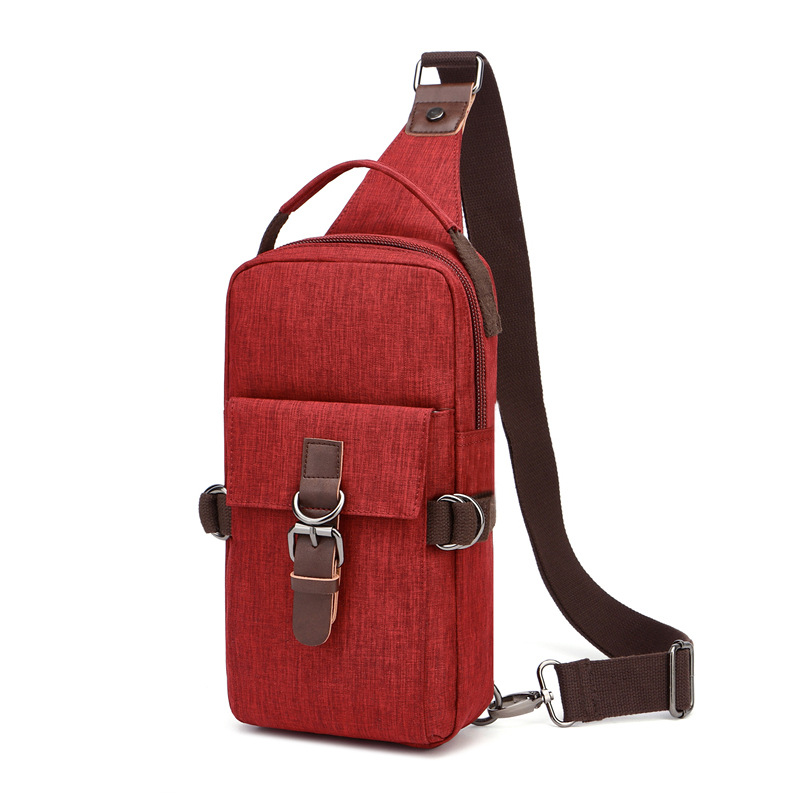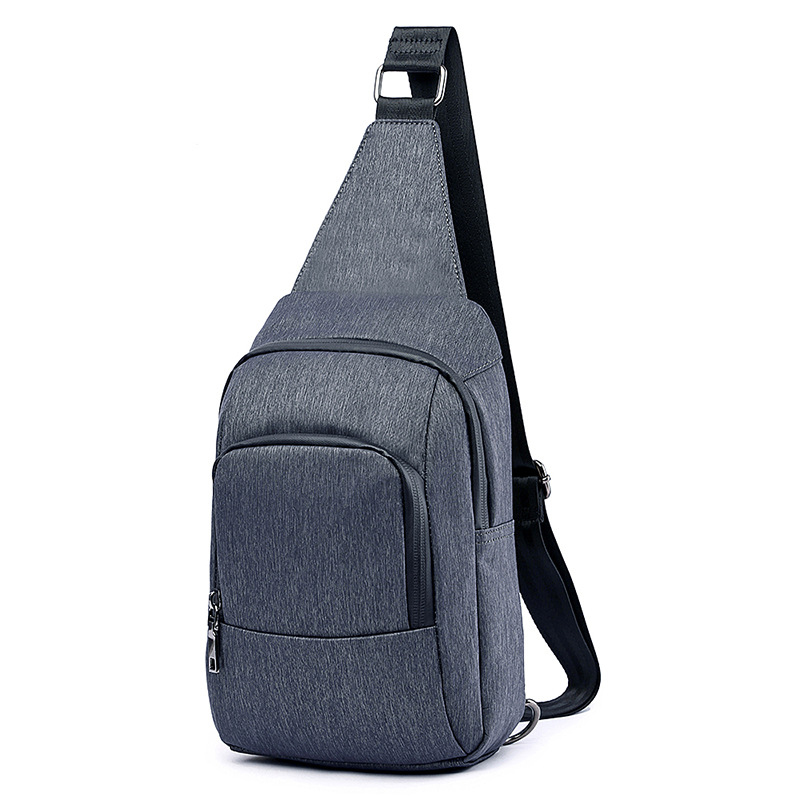
What Buyers Really Mean When They Ask for a Sling Bag
A sling bag sounds simple enough, but in sourcing and product development it usually sits in a very practical middle ground: larger than a pocket organizer, smaller than a backpack, and easier to carry than a traditional shoulder bag. That middle ground matters. For retail buyers, the right design can sell to commuters, travelers, students, and casual users without needing a separate product line for each group. For product teams, it raises the usual questions about capacity, strap comfort, pocket layout, and how much hardware is too much.
In other words, this is not just a style decision. It is a usability decision. A bag that looks good but twists on the body, digs into the shoulder, or hides key items in a deep compartment will not keep its place for long. The best products in this category are the ones that feel almost invisible in use.
Quick Takeaways for Buyers
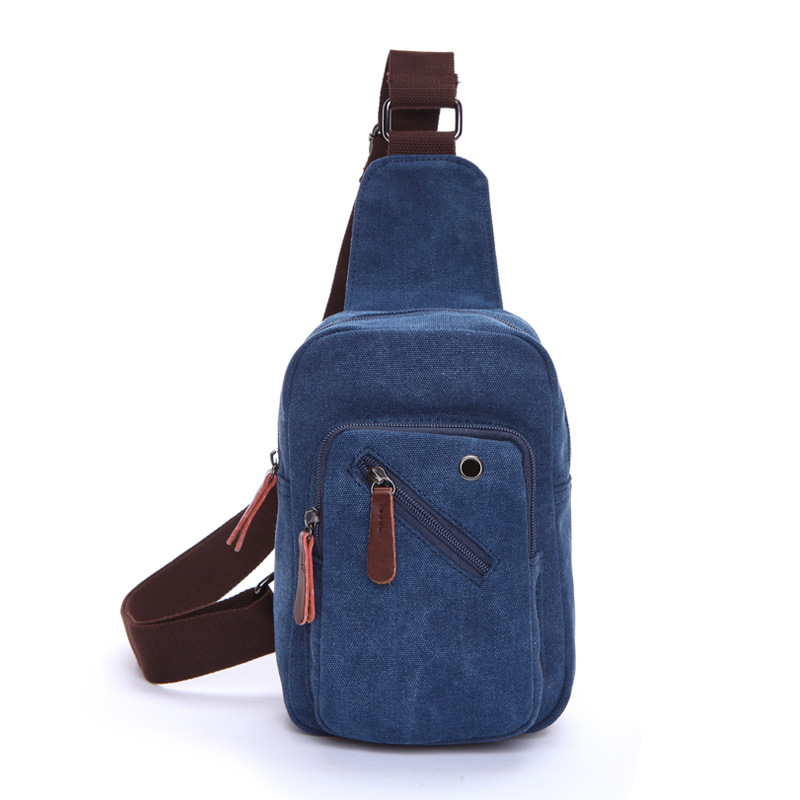
For most programs, the choice comes down to how the bag will be carried and what the user needs to access quickly. A crossbody sling bag often works well for active movement and crowded spaces because it keeps essentials close to the torso. A single strap bag may lean more casual or fashion-led, but the strap geometry needs careful attention if the bag is meant for longer wear. A compact shoulder bag can overlap with this category, though it may distribute weight differently and sit less securely during travel.
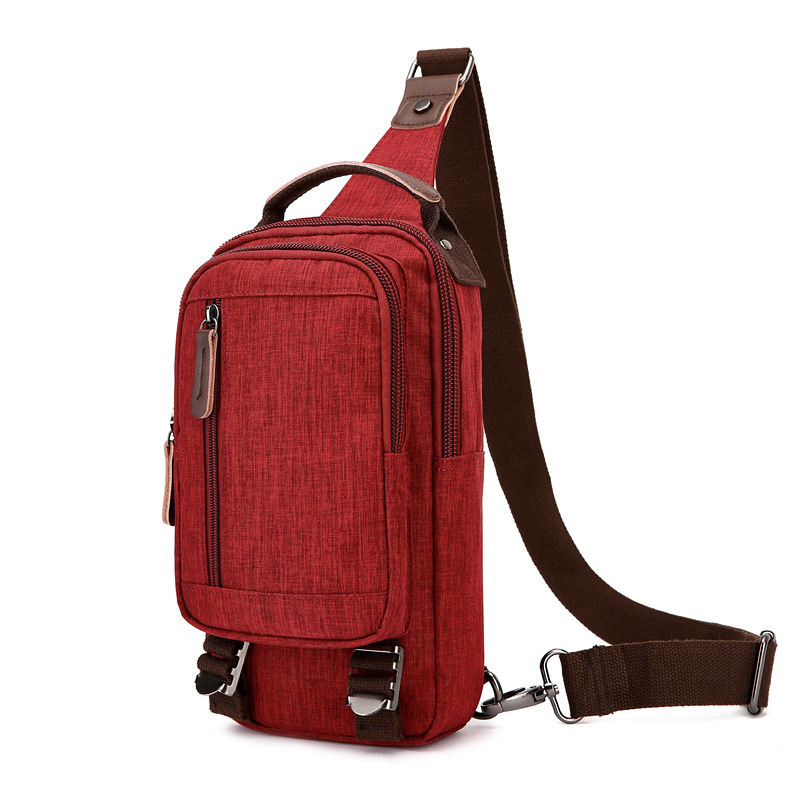
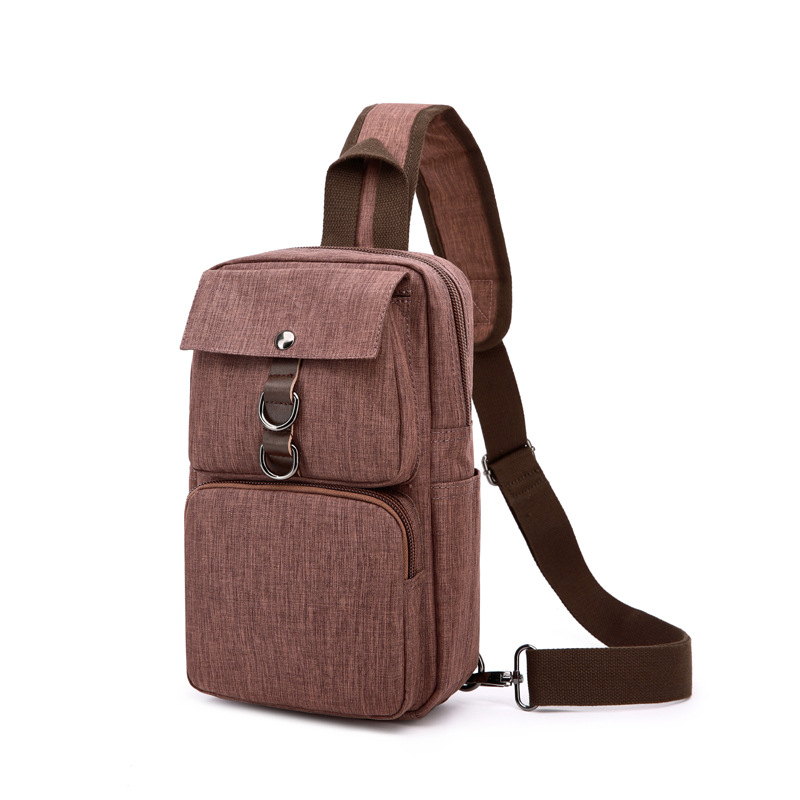
If you are sourcing for daily carry, look closely at closure style, zipper pull quality, internal organization, and strap adjustability. These details sound minor in a catalog. They are not minor once the bag is loaded with a phone, wallet, power bank, earbuds, keys, and maybe a small bottle or notebook.
Why Sling Bags Keep Growing in Product Lines
The category has expanded because it fits how people move now. Users want a bag that is quick to put on, quick to remove, and small enough to avoid the bulk of a full backpack. That is especially true for commuting, city walking, short trips, and day-to-day errands. The rise of the everyday sling bag and travel sling bag reflects that shift.
For brands, sling bags also offer a useful platform for material variation. Nylon versions can read more technical. PU or coated finishes can look cleaner and more urban. Canvas can push the product toward lifestyle and casual retail. None of these options is automatically better; the right choice depends on the target shelf and the expected wear pattern.
Core Design Choices That Change User Experience
Strap Geometry and Carry Comfort
The strap is the central engineering feature, even if it does not get the most visual attention. A bag that rides too high or too low can feel awkward after half an hour. Wider straps help spread load, but they can also look bulkier. Narrow straps often read cleaner, though they may become uncomfortable once the bag is packed out. For an unisex sling bag, neutral styling matters, but comfort still wins the repeat-purchase argument.
Pocket Layout and Access
Good organization is one of the clearest differentiators in this category. Exterior quick-access pockets are useful for transit cards, phones, and keys. Interior dividers help prevent the “everything at the bottom” problem that frustrates end users. A practical caution: too many compartments can slow people down and make a small bag feel cluttered. Buyers often underestimate this tradeoff until sample review.
Security Features
Many users now expect some level of theft deterrence, especially in urban or travel settings. An anti theft sling bag may use concealed zippers, rear-facing access, or close-to-body carry to reduce easy pickpocket access. These features are worth considering, but they should not make the bag hard to use. Security that annoys the owner is a weak selling point.
Material and Build Considerations
Material selection should follow the use case, not the other way around. Lightweight fabrics help keep the bag comfortable, especially for long wear. Heavier fabrics may improve structure and abrasion resistance, but they can also make a small bag feel unnecessarily stiff. Stitching quality, zipper reliability, strap attachment points, and edge finishing often determine whether the product feels premium or disposable.
For sourcing teams, it helps to ask where failure is most likely. Is the stress concentrated at the strap anchor? Does the zipper see repeated one-handed use? Will the bottom panel scuff against hard surfaces? Those questions are more useful than chasing style alone.
Common Mistakes in Sling Bag Development
One common mistake is overdesigning the interior. Another is treating size as a marketing feature rather than a usability limit. If a bag is too small, buyers may love the sample and still reject it because it cannot hold daily essentials. If it is too large, it starts drifting toward a different category entirely.
Another frequent issue is confusing fashion silhouette with ergonomic fit. A bag may photograph well on a hanger and still twist badly on the body. That is especially important for a travel sling bag, where users tend to wear it for longer periods and notice discomfort quickly.
Practical Buyer Advice
If you are comparing options, evaluate the bag in the order real users experience it: put it on, adjust it, load it, move with it, then check access to the most-used items. Do not stop at the first glance. A product team can learn more from ten minutes of wear testing than from a glossy spec sheet.
For retail assortments, consider whether the line needs a clean fashion-forward model, a utility-driven version, or a security-focused variant. A single platform may support all three, but only if the base construction is solid and the strap system can handle different usage patterns.
A Few Questions Buyers Ask Often
What is the difference between a sling bag and a crossbody bag?
The terms overlap in practice. A sling bag usually implies a single strap worn across the body or over one shoulder, often with a compact profile and easy front access. The exact naming depends on market expectations and how the product is positioned.
Is a sling bag suitable for everyday use?
Yes, if the capacity, pocket layout, and strap comfort are balanced. That is what separates a useful everyday sling bag from a novelty item.
Can one design work for both men and women?
Often yes. A well-proportioned unisex sling bag with restrained branding and practical colors can serve a broad audience, though sizing and styling should still be checked against your target channel.
Next Step for Sourcing and Product Teams
Before approving a sling bag program, define the primary carry scenario, the essential items the user must fit, and the one comfort issue you are least willing to ignore. Those three points will usually do more to shape a successful product than a long list of aesthetic preferences. If the bag works in motion, holds what it should, and keeps the user from fighting the strap, it has a real chance in the market.