Why a sling bag is a harder product to get right than it looks
A sling bag seems simple at first glance: one strap, compact body, quick access. But buyers and product teams know the difference between a bag that sells well and one that gets returned often usually comes down to the details you cannot see in a clean product photo. Strap balance, zipper placement, trim durability, and how the bag sits against the body all matter more than the silhouette suggests.
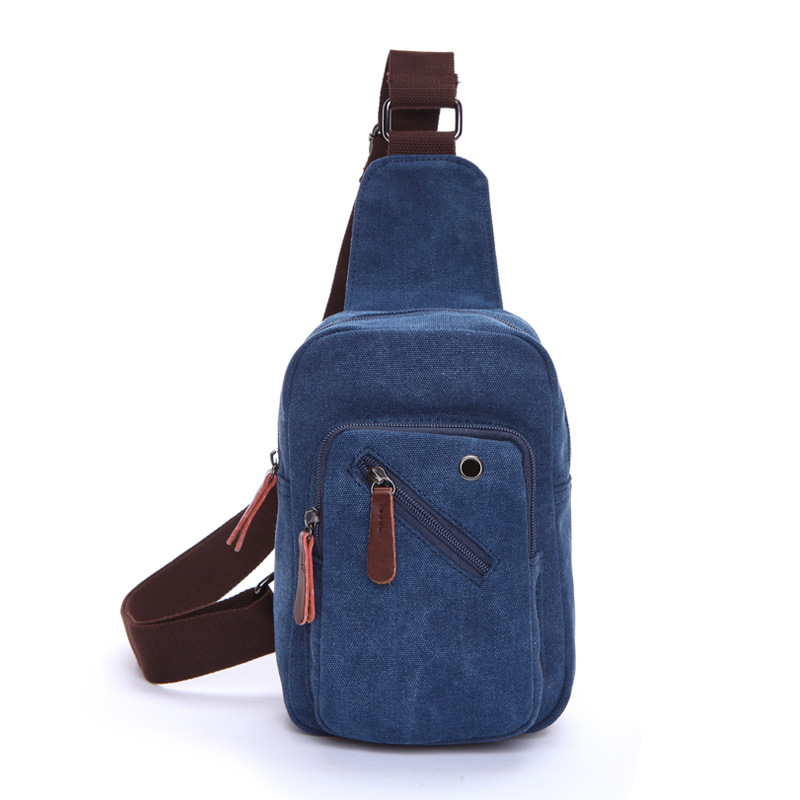
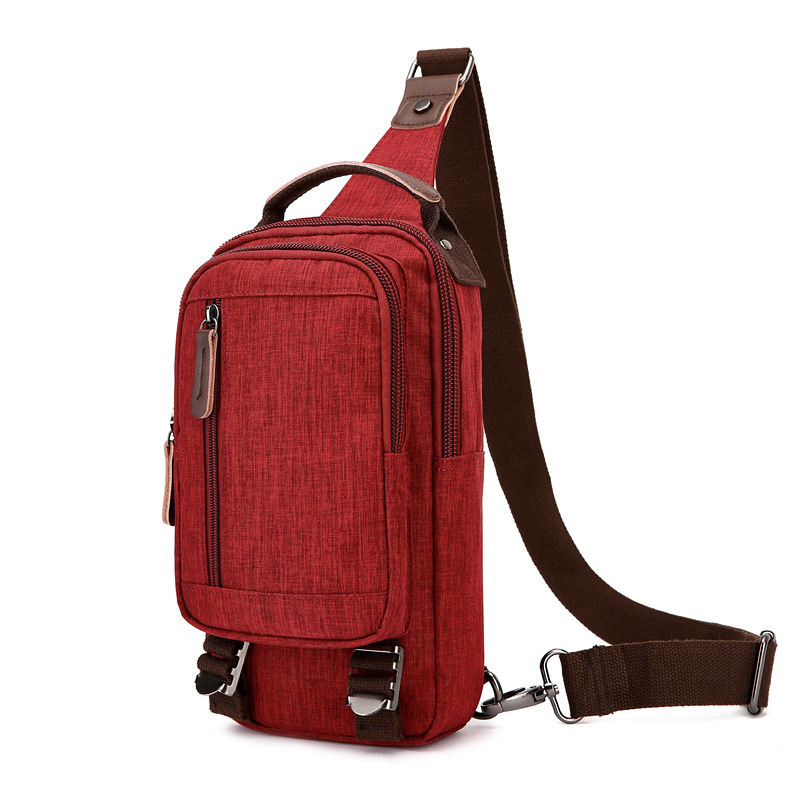
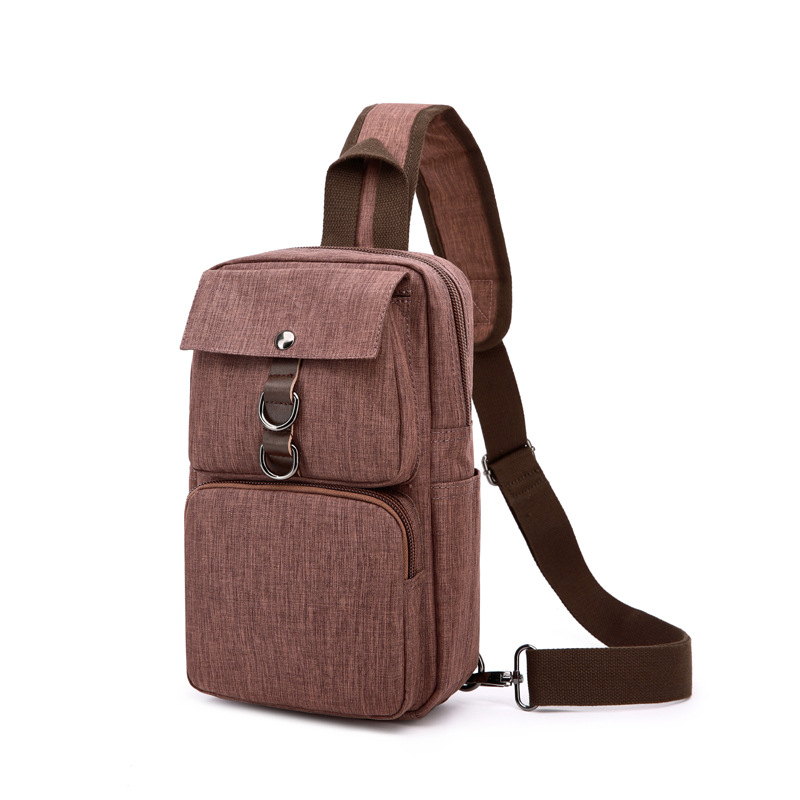
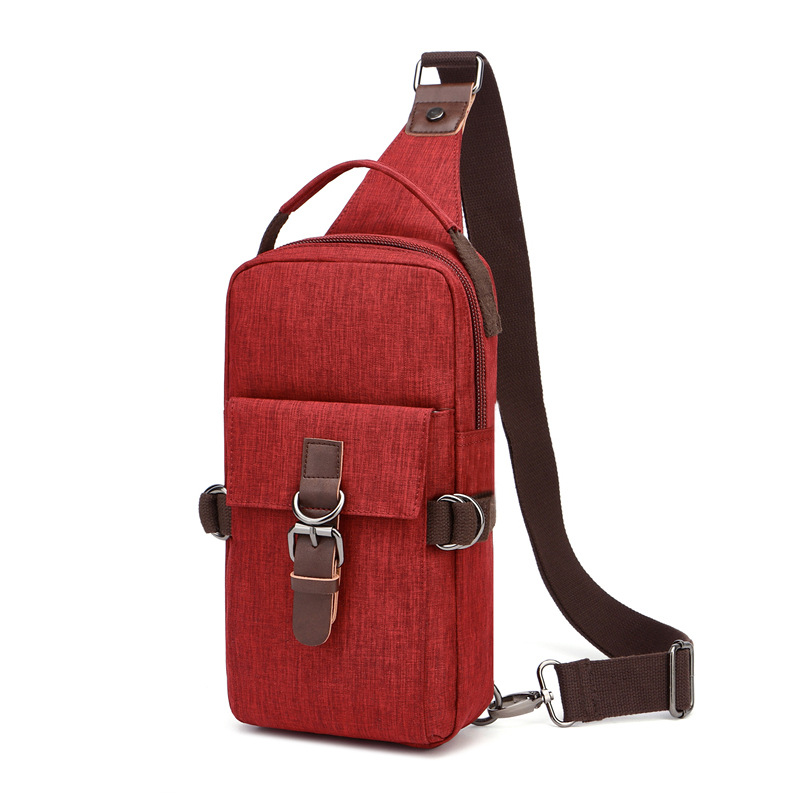
The sample here is a good example of the category. It uses a vertical, rounded-rectangle shape, a front zip pocket for fast access, a top carry handle, and a single adjustable shoulder strap. The body looks like a woven canvas or heavy textile, paired with brown leather-like trim. That mix gives the bag a practical, urban feel without pushing it into full fashion accessory territory. For everyday carry, that middle ground is often exactly what buyers want.
What the design says about use case
This is not a large utility pack and it is not trying to be. The compact format points toward daily commuting, urban carry, light outdoor use, and short travel. In other words, it fits the customer who wants to keep a phone, wallet, keys, and a few small accessories close at hand without carrying a full backpack.
The vertical front zipper is more than a style cue. It suggests quick reach, especially for items that are used repeatedly during the day. The top handle is a useful extra, even if many shoppers never think about it in advance. Once a bag is stuffed under a seat, hung on a hook, or handed to someone at checkout, that handle starts to matter.
Material choices that change the buying decision
Most of the product discussion around this category comes back to material. A nylon sling bag tends to position itself as lighter, more casual, and often more practical for weather exposure. A leather sling bag pushes toward a more polished look and usually a higher price point. The sample appears closer to a woven textile body with brown trim, which gives it a durable, everyday character without locking it into either extreme.
That matters for sourcing. A buyer deciding between a mens sling bag and a womens sling bag may be looking at the same construction, but the finish and trim can shift the market sharply. Darker textiles with restrained hardware usually read as more utilitarian. Softer colors, smaller proportions, and lighter trim details can move the same basic form into a more lifestyle-driven channel.
One practical caution: leather-like trim and genuine leather are not interchangeable in procurement conversations, even when they look similar in a sample. If the product relies on trim for visual identity, the material specification needs to be clear early. Otherwise, color matching, edge finishing, and long-term wear can become recurring issues.
Construction points worth checking before you place an order
For a small sling bag, the seam structure carries a lot of responsibility. The strap attachment points, zipper ends, and front pocket corners are the areas most likely to show stress first. A compact product may look light-duty, but the load is concentrated in a small space and the wear can be surprisingly harsh.
Buyers should pay attention to three things: stitch density at the strap anchors, zipper installation quality, and the way trim is applied around curved edges. If the bag is meant for regular commuting or travel, sloppy edge finishing will show up quickly. Even when the body fabric itself is sturdy, weak trim bonding or uneven top-stitching can make the bag feel cheap.
The visible metal clips and rings are another detail that should not be treated as decoration. Hardware contributes to both function and perceived quality. If the clips are underspecified, the bag may still assemble fine, but the customer experience will suffer over time. That is especially true for a crossbody sling bag worn daily and adjusted often.
How to compare styles without overcomplicating the shortlist
If you are reviewing samples, it helps to compare them by use case rather than by aesthetics alone. A travel sling bag needs different priorities than an everyday commuting model. Travel buyers often want easier access, secure closures, and a body shape that stays flat against the torso. Retail buyers may care more about clean lines, material contrast, and how the product photographs online.
A small sling bag is useful only if it actually organizes the essentials the target customer carries most often. That may sound obvious, but it is where many products fail. Shoppers will forgive a compact shape if the bag opens cleanly and the front pocket is genuinely useful. They will not forgive a tight opening that makes every item feel trapped.
Quick buyer questions to ask
Does the bag sit comfortably across the chest and back? Does the front pocket add real access value? Does the strap adjust smoothly and stay in place? Can the trim hold up to regular handling? These are small questions, but they separate a sellable sling bag from a sample that only looks good in a photo.
Common mistakes in sling bag development
One common mistake is chasing a minimal look and removing too much structure. A bag that collapses awkwardly can feel inexpensive even when the fabric is decent. Another is overbuilding the product with heavy trim and hardware until it loses the lightweight character shoppers expect from this category.
There is also a tendency to assume one version will work for every customer. In reality, a mens sling bag may perform differently in the market than a softer, more fashion-led version, even when the internal construction is nearly identical. Marketing language changes expectations, and expectations change return rates.
Practical takeaways for sourcing teams
For sourcing managers and product teams, the best approach is to treat the sling bag as a small technical product, not just an accessory. Lock down the body fabric, trim material, hardware finish, zipper quality, and strap reinforcement before moving too far into styling. That is where the product’s real value sits.
If the target is a travel sling bag, prioritize access and wear comfort. If the target is a fashion-led retail item, the material mix and visible finishes will matter more. If the goal is broad market appeal, a neutral body fabric with restrained trim is usually safer than an overly trend-driven palette.
For teams comparing nylon sling bag and leather sling bag options, the decision is rarely about one being universally better. It is about price position, channel fit, and what kind of customer behavior you want to encourage. Nylon can read as easygoing and functional. Leather points toward polish. The mixed textile-and-trim sample sits neatly between those poles, which may be why this format remains popular.
Next step for buyers
When you review a sling bag sample like this one, do not stop at the silhouette. Ask how the front pocket works, whether the strap hardware feels dependable, and how the trim will age after repeated use. Those are the details that decide whether the bag becomes a repeatable product line or just another sample on the table.
If you are planning development, start with the carry scenario first, then build the material and construction spec around it. That order saves time, and in bag manufacturing, it usually saves money too.