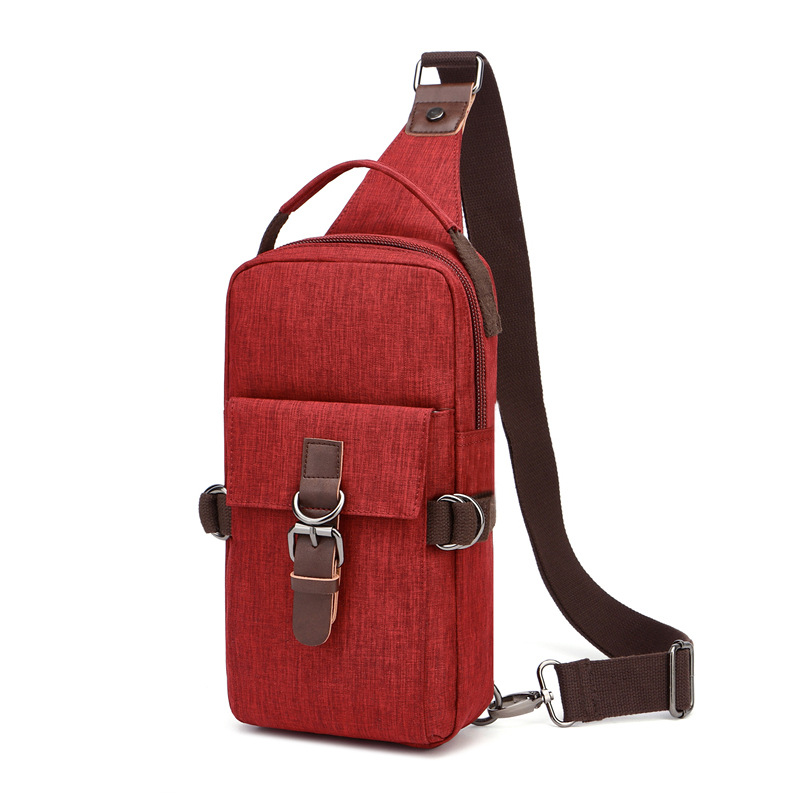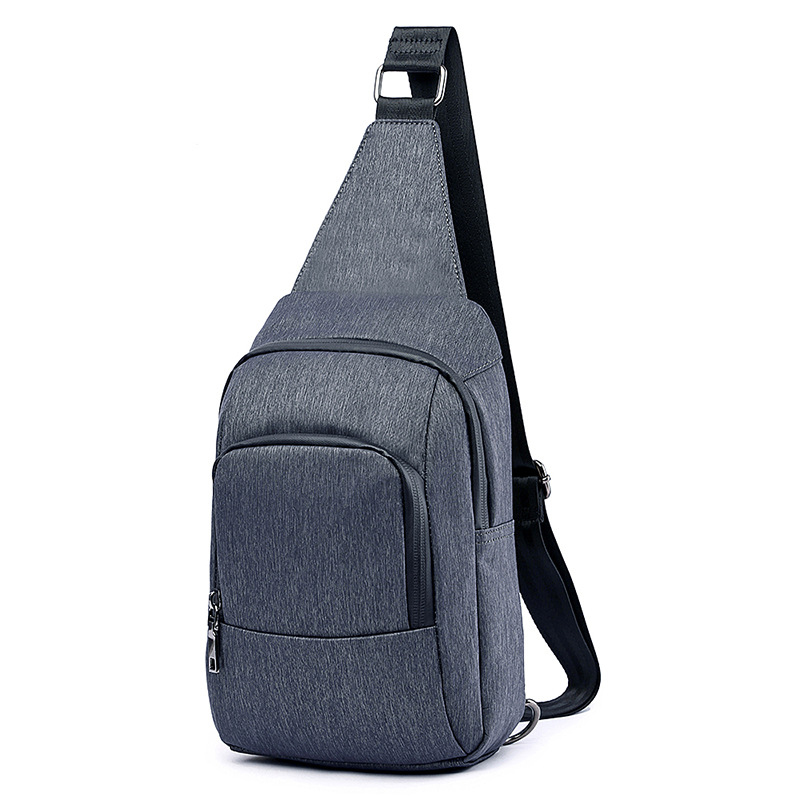
What Buyers Really Need from a Sling Bag
A sling bag sits in a useful middle ground between a pocket-heavy backpack and a small handbag. For commuters, retail buyers, travel brands, and product teams, the appeal is obvious: quick access, lighter carry, and a form factor that does not get in the way. The challenge is that not every sling bag solves the same problem. Some are built for city travel, some for daily carry, and others for display more than function. Choosing the wrong one usually shows up later as poor comfort, awkward pocket layout, or a design that looks better than it performs.
If you are evaluating this category for your assortment or your own product line, the real decision is not just style. It is how the bag will be worn, what will be carried, and how often the user expects to open it during a normal day.
Where a Sling Bag Fits in the Carry Market
Compared with a standard backpack, a sling bag is faster to swing around and easier to access without taking it off completely. Compared with a belt bag or compact pouch, it usually offers more usable volume and better weight distribution. That is why the category keeps showing up in commuter collections, casual travel ranges, and giftable accessory lines.
A crossbody bag and a shoulder sling bag can overlap in use, but the wearing experience is not always identical. A true sling is often shaped to sit close to the body with one strap that allows rotation to the front. That makes it a practical choice for transit, walking tours, and short urban trips where a user wants a phone, wallet, power bank, keys, and maybe a small bottle within easy reach.
Common Sling Bag Types and What They’re Good At
Everyday carry
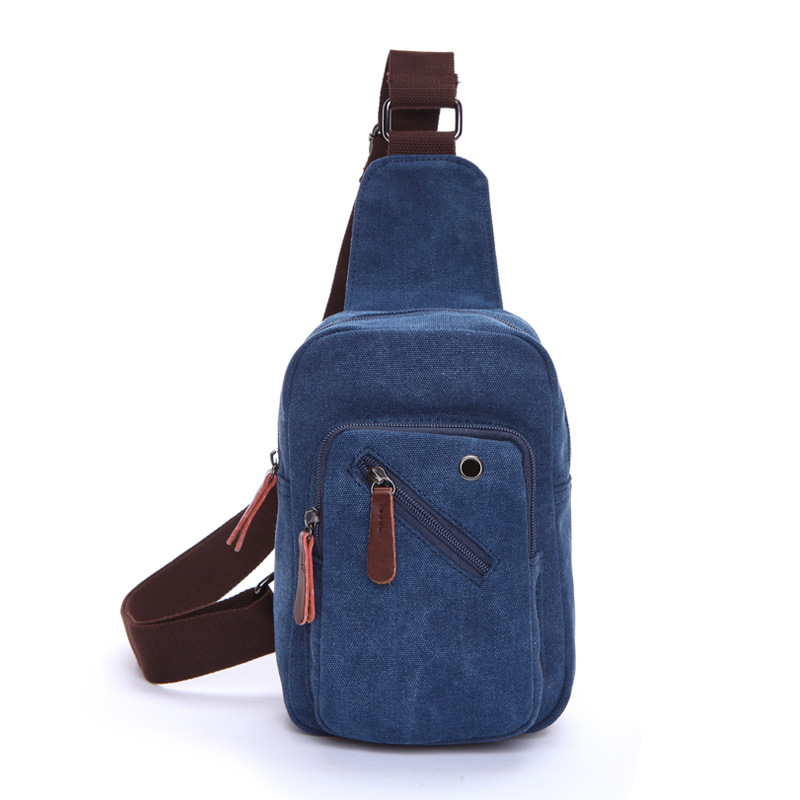
This version is usually compact, low-profile, and built around fast access. It works well for users who want a clean silhouette and do not need laptop capacity. A men's sling bag in this segment often leans more technical or minimal in styling, while a women's sling bag may place more emphasis on shape, color, or hardware detail. Those labels are broad, of course, and plenty of buyers now prefer unisex styling.
Travel-focused designs
A travel sling bag usually needs more than a stylish front zipper. Buyers should look for organized interior pockets, secure closures, and a strap that stays comfortable over hours of wear. If the bag is meant for airports or crowded streets, an anti-theft sling bag may be worth considering. That does not guarantee security, but it can add concealed zippers, tighter body contact, or other deterrent features that make casual snatching harder.
Compact hybrid formats
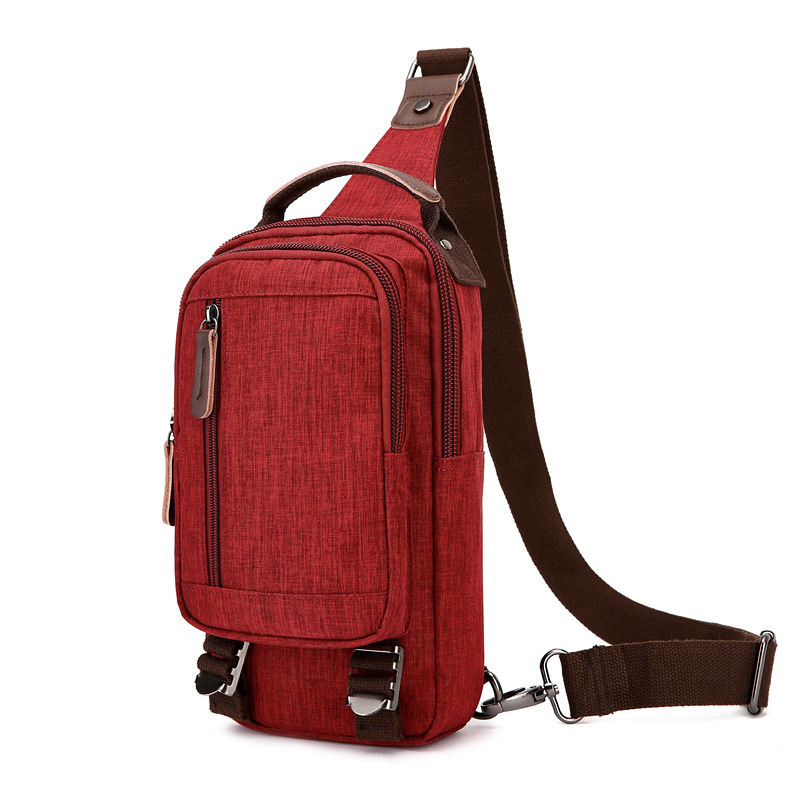
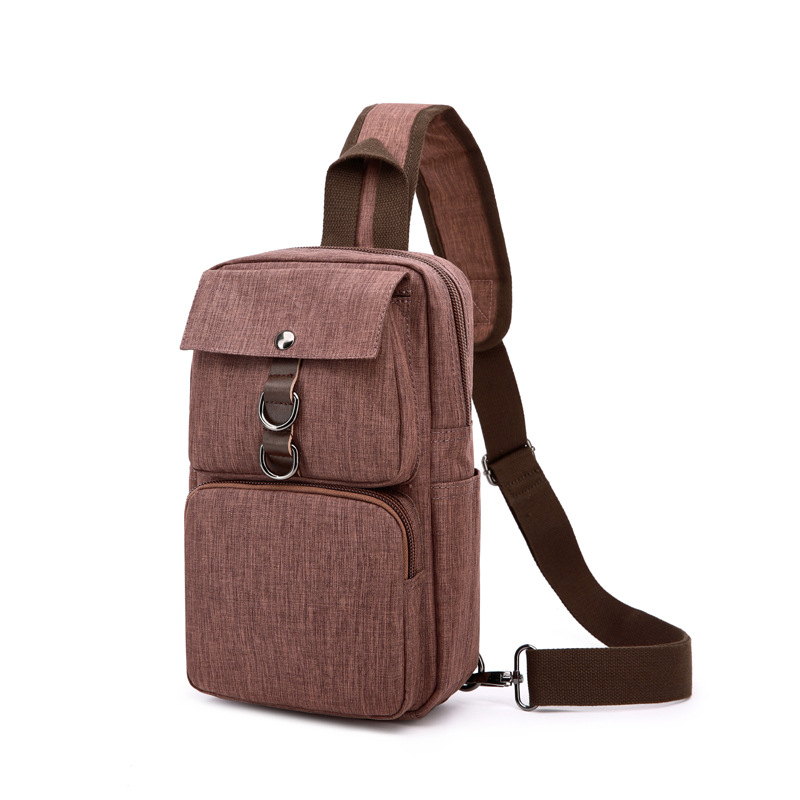
Some products are close to a small sling backpack in structure, with a larger cavity and more pronounced volume. These can be useful for consumers who want a bit more room without moving up to a full backpack. The trade-off is bulk. Once the bag gets too deep or too boxy, the sling advantage starts to disappear.
Selection Criteria That Matter in the Real World
Weight and strap comfort come first. A sling bag that looks refined on a hanger can feel irritating after thirty minutes if the strap edge is too narrow or the hardware digs in. Next is access. A good opening should let the user reach essentials quickly without dumping everything out. Pocket layout matters more than many buyers expect; one large cavity is rarely enough for modern carry habits.
Material choice should match the intended market. Smooth synthetics may clean easily and support a sharper silhouette. Textured fabrics can feel more casual and hide wear better. Zippers, buckles, and strap adjusters deserve attention too, because these small parts often determine whether the product feels premium or flimsy.
Common Buying Mistakes
One frequent mistake is selecting a bag by appearance alone. A sleek shell with almost no structure may collapse when loaded, which makes it awkward to wear and even harder to photograph well in retail listings. Another mistake is assuming that one design works equally well for all users. The fit of a crossbody bag on a broader frame is not the same as on a smaller body, and strap length range can make or break customer satisfaction.
Buyers also tend to under-specify organization. If the end user carries sunglasses, cards, earbuds, and a charger, the bag needs a smarter interior than a single compartment and one slip pocket. That is a small detail on paper and a major complaint after launch.
Practical Advice for Sourcing Teams and Product Teams
When reviewing samples, load the bag with the actual items your target user will carry. Check how it sits when worn across the chest and when swung forward. Look at zipper reach, strap adjustability, and whether the shape stays stable when partially filled. If you are developing a travel sling bag, think about access in motion, not just closed-bag appearance.
For merchandising, it helps to define the use case clearly. A product marketed as a men’s sling bag, women’s sling bag, or anti-theft sling bag should behave like that promise on shelf and in use. Vague positioning often creates more returns than it prevents.
FAQ
Is a sling bag better than a backpack?
For light carry and quick access, often yes. For heavier loads or longer wear with more weight, a backpack usually distributes strain better.
Can a sling bag work for travel?
Yes, especially for day trips, transit, and city sightseeing. The best travel models emphasize secure pockets and comfortable straps.
What size should buyers prioritize?
Choose the smallest size that still fits the intended load. Oversizing turns the product into an awkward crossbody compromise.
Next Step for Buyers
If you are sourcing or developing this category, start with the user scenario, then narrow the format. Whether you need a shoulder sling bag for daily commuting, a small sling backpack for extra capacity, or a compact anti-theft sling bag for travel, the best results usually come from matching structure to behavior first and style second. That order saves a lot of disappointment later.