Sling Bag Buying Guide: what to look for before you place an order
A sling bag looks simple from a distance, but sourcing one that actually works for retail, promo, or private label programs takes a closer read. The shape is compact, the wear style is close to the body, and the product has to solve a few competing demands at once: comfort, storage, appearance, and durability. For buyers comparing a crossbody sling bag against other small carry styles, the real question is not whether it looks good on a shelf. It is whether the bag will carry enough, sit well on the body, and hold up after repeated daily use.
That is especially true when the target customer is specific. A men's sling bag may be judged differently from a women's sling bag, and a travel sling bag is usually expected to do more than a casual city carry. Some shoppers want an anti-theft sling bag with hidden or harder-to-reach pockets. Others want a small sling bag that disappears under a jacket. Leather or leather-look versions add another layer of expectation, because finish and stitching become part of the selling story, not just the construction.
Why sling bags sell: convenience beats volume
The core appeal is easy enough to understand. People do not always want a backpack, and they do not always need a tote. A sling bag sits in that middle ground: lighter than a pack, more organized than a pocket dump, and quicker to access than a bag that has to come off the shoulder.
For product teams, that convenience creates a useful market position. Sling styles can be aimed at commuters, travelers, festival-goers, casual everyday use, and gift buyers. The size stays manageable, which helps with packaging, shipping, and merchandising. But the same compactness means every centimeter matters. If the main compartment is awkwardly shaped or the strap hardware feels flimsy, the user notices immediately.
Key design choices that affect performance
1. Strap geometry and wear comfort
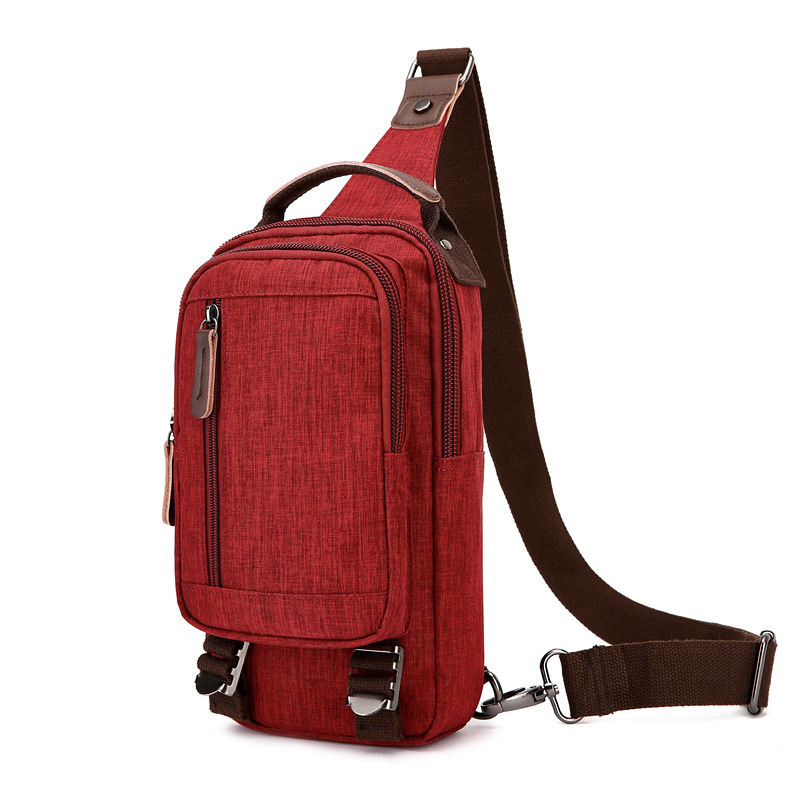
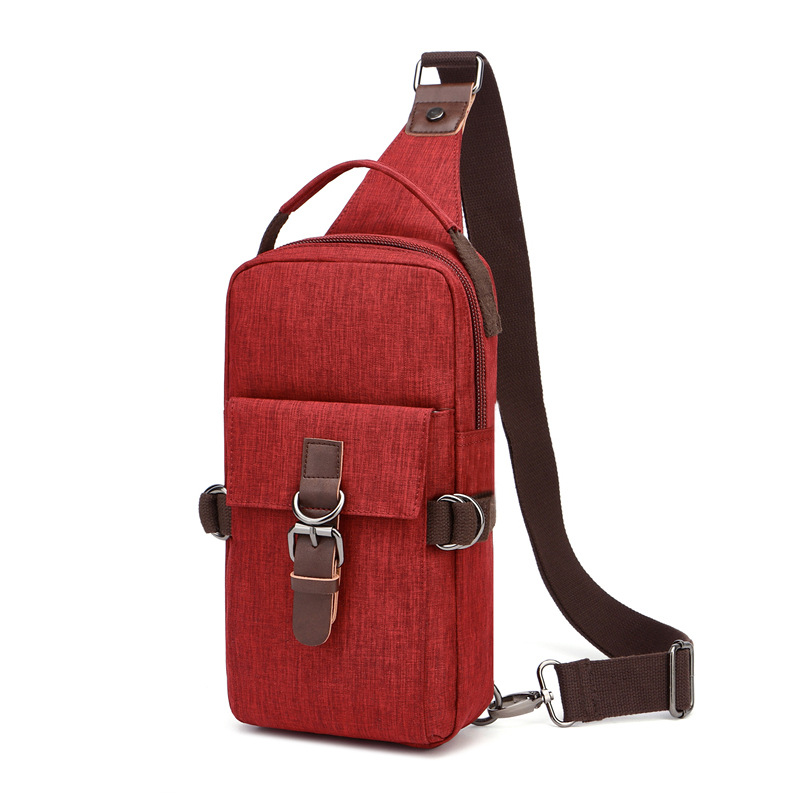
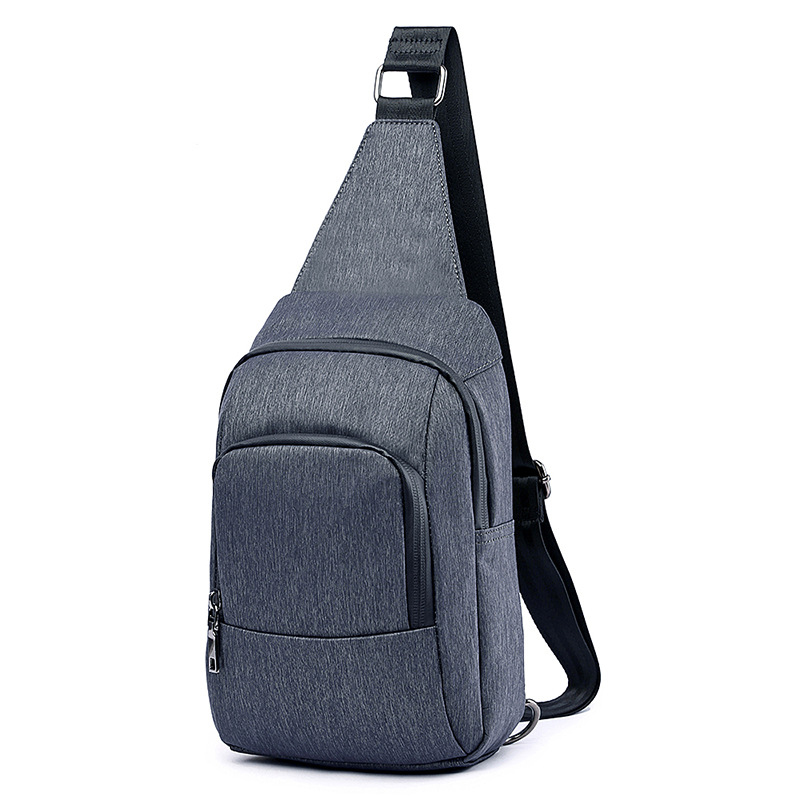
A crossbody sling bag should ride securely without twisting. Strap width, adjustability, and the shape of the back panel all affect comfort more than many first-time buyers expect. A narrow strap can look sleek in a catalog photo, yet fatigue the shoulder during a long day. On the other hand, a very wide strap can feel bulky on a small frame. This is one of those cases where the sample needs to be worn, not just inspected on a table.
2. Pocket layout
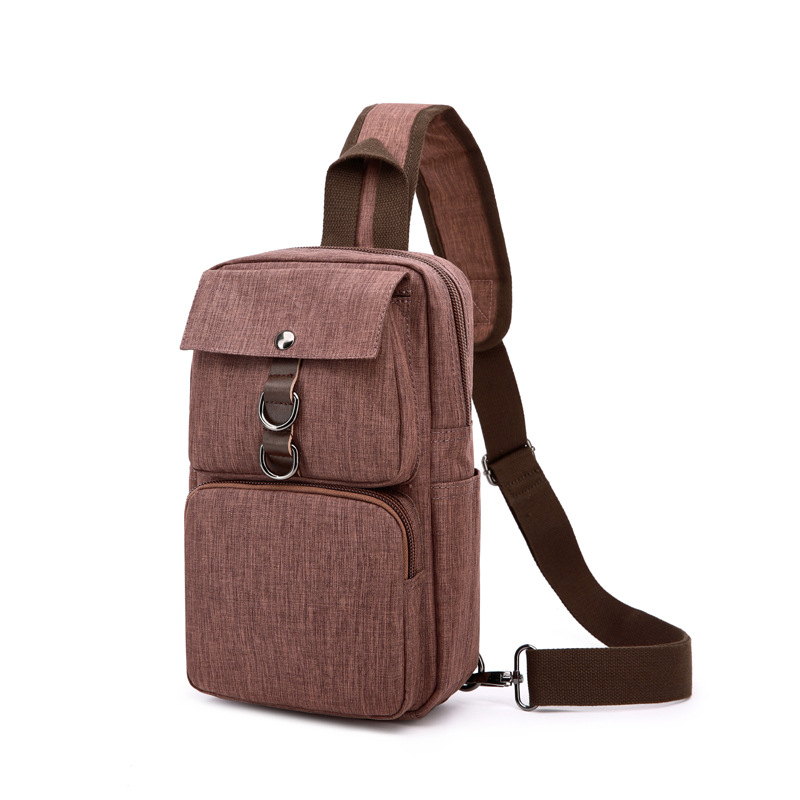
The best sling bags make the small space work harder. Think main compartment, front quick-access pocket, and perhaps a secure internal pocket for cards, keys, or a phone. For travel programs, an anti-theft sling bag may use concealed zippers or body-facing compartments. That can be useful, but if the security features slow access too much, some buyers will reject the design as inconvenient. There is always a tradeoff.
3. Material and finish
Material choice changes both the product story and the failure modes. A leather sling bag can present a more premium look, but it also raises expectations around edge finishing, stitching, and long-term appearance. Synthetic materials may be easier to keep lightweight and cost-efficient, while still allowing a clean silhouette. For outdoor or travel uses, abrasion resistance and easy cleaning matter more than luxury cues.
Quick buyer comparison: which type fits which use?
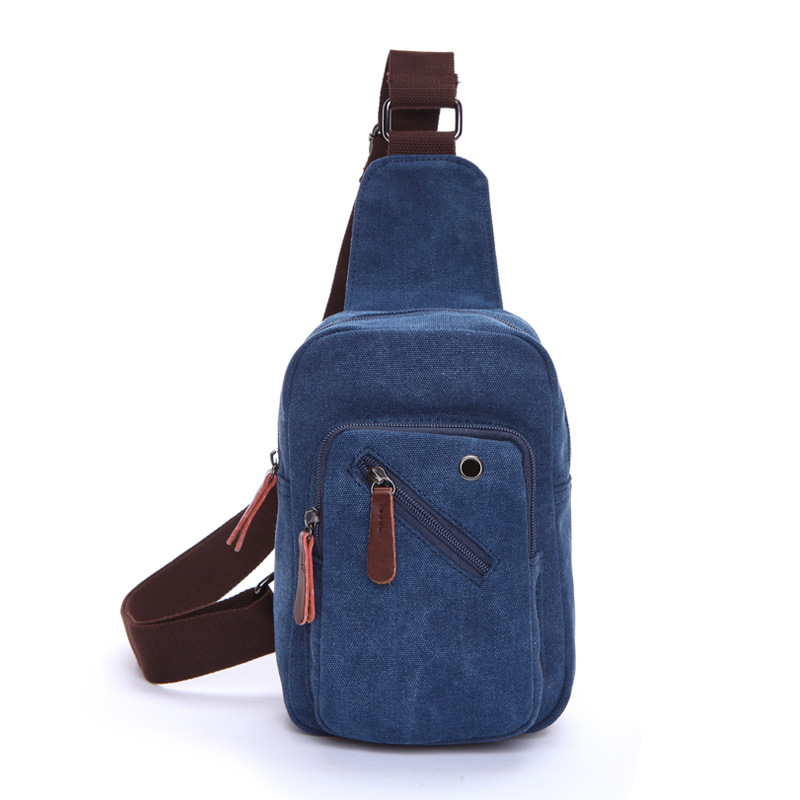
A small sling bag suits light carry: wallet, phone, earbuds, keys, maybe a compact charger. That makes it a good retail option for everyday buyers and tourists.
A travel sling bag usually needs better organization and a more secure closure. Buyers often want a pocket for documents or transit cards, though the exact layout depends on the destination market.
A men's sling bag often leans toward darker colors, a more angular shape, and a restrained exterior. A women's sling bag may be bought for similar practical reasons, but style, strap comfort, and outfit compatibility can carry more weight in the decision.
Common sourcing mistakes
One mistake is over-designing the bag. Too many compartments can make the interior hard to use, especially in a compact format. Another is choosing attractive materials without checking how they behave under repeated flexing at the strap anchors and zipper ends. Those are common wear points.
Another quiet problem is scale. A sample may look fine in photos but sit awkwardly on the body once packed. For wearable goods, fit is part of the product, not an afterthought. Buyers should also be careful about zipper quality, lining fray, and hardware noise. These are small issues on paper and annoying issues in the market.
Practical advice for product and sourcing teams
If you are selecting a sling bag for a program, start with the use case, not the trend. Ask who will carry it, what they will carry, and how often they will use it. Then check the strap, closure system, material hand-feel, and pocket access in that order. Decorative features should come last unless the target market is fashion-led.
For retail assortments, it is usually safer to offer a tight range of clear options rather than too many nearly identical models. One compact everyday style, one travel-oriented version, and one more premium finish can cover more demand than a crowded lineup of lookalikes.
FAQ
Is a sling bag good for daily use?
Yes, if the customer carries only essentials. It works best when the user wants fast access and a lighter load.
What makes an anti-theft sling bag different?
It usually emphasizes harder-to-access openings, hidden pockets, or body-facing storage. The exact layout varies, so buyers should review the sample rather than relying on the label alone.
Should I choose leather?
Only if the market wants a more premium look and is willing to accept the care expectations that come with it. For some programs, other materials are simply more practical.
Next step for buyers
If you are sourcing a sling bag program, build your shortlist around use case, wear comfort, and construction quality before you compare colors or decorative details. That approach usually saves more time than chasing the cheapest sample. A well-chosen sling style can move through retail cleanly; a poorly chosen one tends to reveal its problems after the customer has already carried it home.