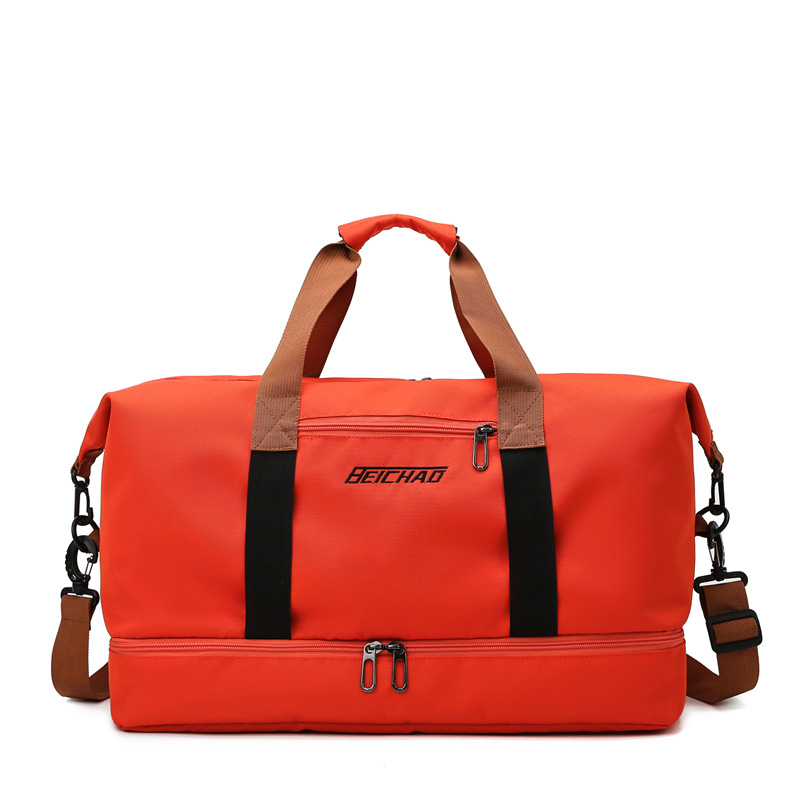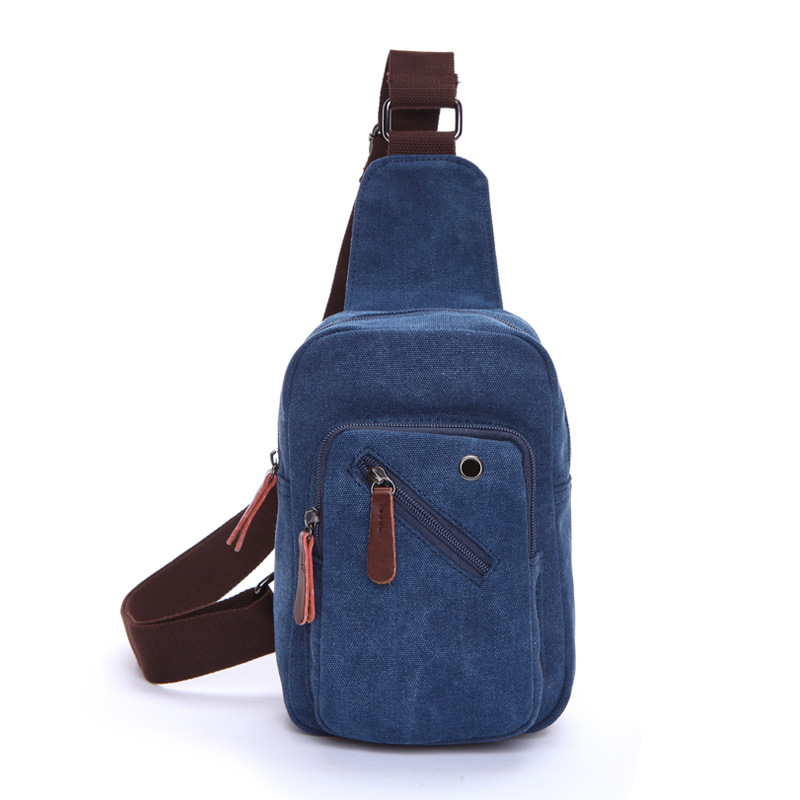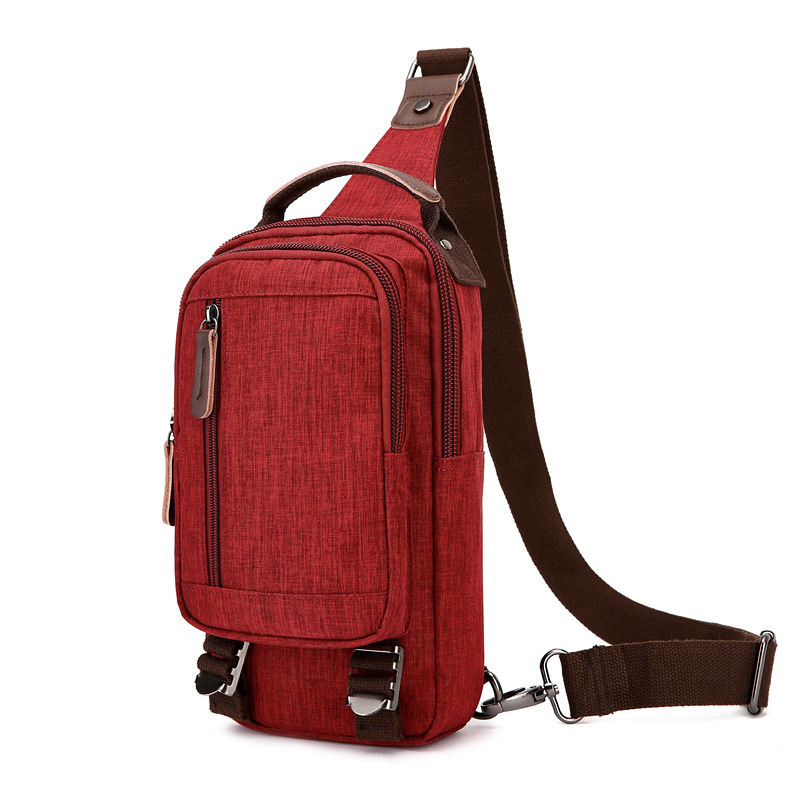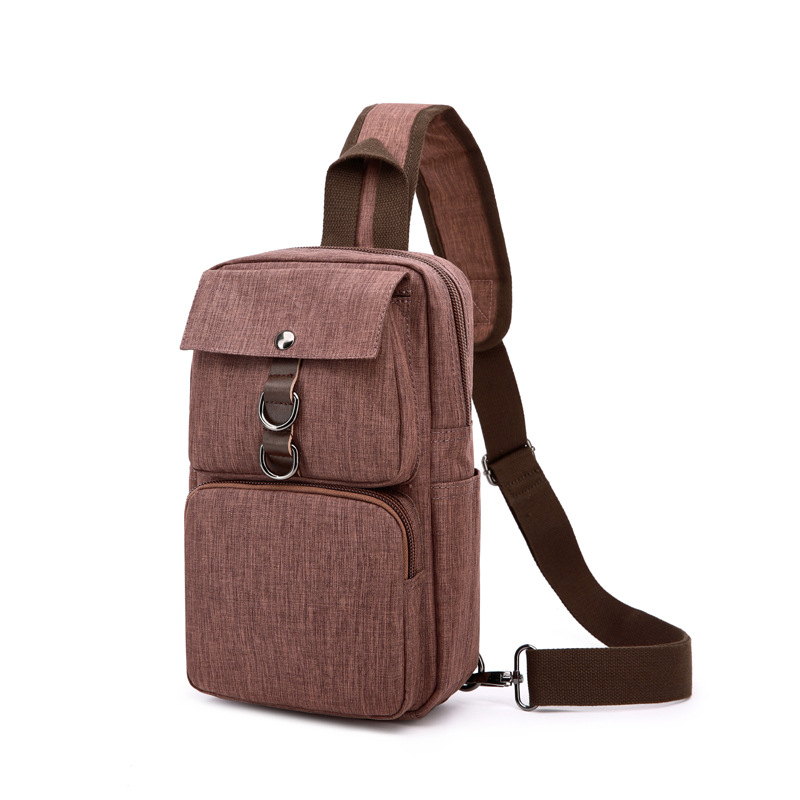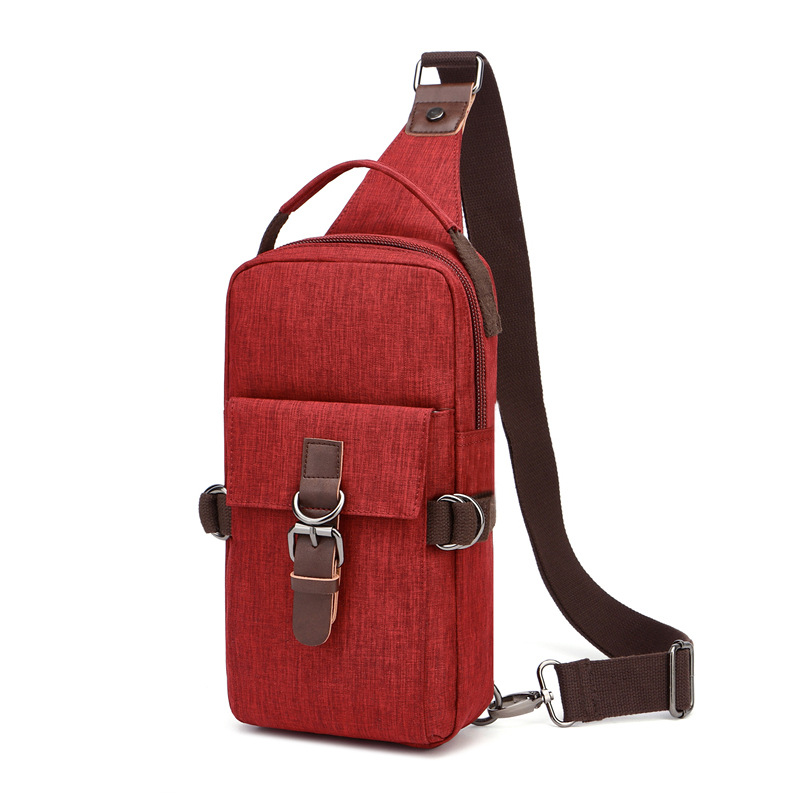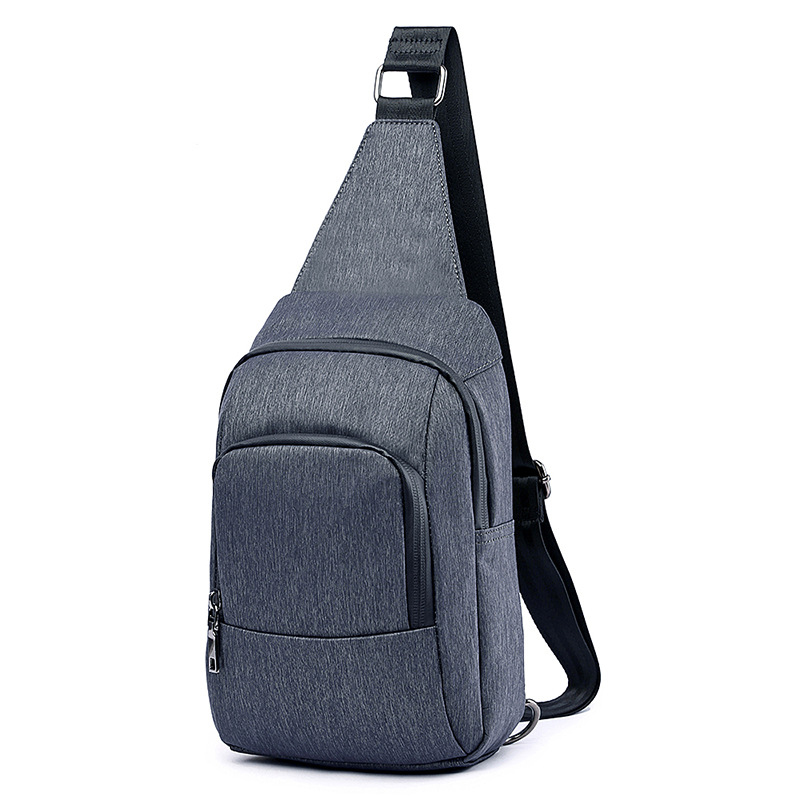
Why the sling bag keeps showing up in product line reviews
The sling bag sits in an interesting middle ground for buyers. It is smaller than a backpack, easier to carry than a conventional shoulder bag, and often better organized than the cheap pouches people grab at the last minute. For sourcing teams and product managers, that makes it less of a fashion afterthought and more of a practical category with real design choices behind it.
In retail terms, the appeal is obvious: a compact carry solution for commuting, short travel, quick errands, and light daily use. In product terms, the hard part is getting the proportions, strap comfort, pocket layout, and material feel right without turning the item into a bloated mini-bag. That balance is what separates a useful bag from one that looks good on a screen and disappoints in hand.
What buyers are really comparing
A sling bag is often compared with a crossbody bag, a shoulder bag, or even a messenger bag, but those categories are not interchangeable. A crossbody bag usually prioritizes hands-free wear across the torso. A shoulder bag may sit lower and carry more loosely. A messenger bag tends to lean larger and more structured, with a flap and a work-oriented shape.
The sling format usually aims for quicker access and a closer fit to the body. That matters in transit, in crowded public spaces, and for users who want something between a pocket and a day bag. A compact sling bag can hold daily essentials without dragging on the shoulder, but only if the strap hardware and panel shape are designed well. Poor strap placement is one of those issues that shows up only after customers start wearing the product for more than ten minutes.
Main use cases and why they matter
The strongest demand usually comes from three user groups: commuters, travelers, and casual everyday users. A men's sling bag is often marketed with a darker palette, cleaner panel lines, and a more technical feel. A women's sling bag may emphasize lighter styling, smaller proportions, or more flexible wear options. Those are marketing distinctions rather than hard product rules, but they influence order decisions and SKU planning.
A travel sling bag needs a different priority set. Quick access, anti-slip comfort, and secure storage become more important than decorative details. Internal pockets for a phone, wallet, passport, or charging cable can make the difference between a repeat purchase and a one-time sale. On the other hand, overbuilding the interior can reduce usable space so much that the bag feels tiny despite its external size.
Materials, structure, and the trade-offs behind them
In this category, material choice affects both perceived quality and failure rate. Lightweight woven fabrics can help a sling bag feel easy to wear, while coated or denser materials can improve shape retention and abrasion resistance. Buyers should pay attention to the strap webbing, zipper quality, lining, and seam reinforcement, because those parts tend to reveal where the manufacturer cut corners.
Structure is another quiet differentiator. Soft-sided bags are lighter and often more comfortable against the body, but they can collapse when empty. Semi-structured bodies keep a neater profile and help the bag hold its shape in display, which matters for retail presentation. The right choice depends on whether the bag is being sold as an urban accessory, a utility item, or a travel staple.
Selection criteria that save trouble later
When reviewing a sling bag program, buyers usually need to test four things: carry comfort, access speed, storage realism, and visual fit with the target customer. Comfort should be judged with a loaded sample, not an empty one. Access speed means the user can reach the main compartment or front pocket without removing the bag. Storage realism means the advertised capacity should reflect actual usable space, not just an optimistic description.
There is also the matter of wear position. Some users prefer a chest-style carry, while others wear a sling low on the back or across one shoulder. A good design should not punish either habit. Strap adjustability, swivel hardware, and anti-twist features can make a plain design feel much more refined.
Common mistakes in sourcing and assortment planning
One frequent mistake is treating every sling bag as the same product with different colors. That usually leads to poor assortment performance. A travel-focused model may need secure pockets and subdued styling, while a casual city model may need quicker access and stronger visual identity. Another mistake is underestimating how small dimensional changes affect the user experience. A few centimeters can decide whether a phone fits upright, whether a water bottle rides awkwardly, or whether the strap sits correctly on the torso.
There is also a packaging issue that gets overlooked. If the bag ships folded too aggressively, the front panel can crease in a way that makes the product look cheap at first glance. That may not sound serious, but in a crowded category, first impression still sells.
Practical buying advice for product teams
If you are building or sourcing a sling bag line, start with the user scenario before choosing the silhouette. A commuter version, a travel version, and a fashion-led version should not share the same brief unless the market is very forgiving. Ask suppliers for samples that show real pocket use, not just a clean exterior. Check strap comfort with weight inside the bag. Review zippers, stitching, and lining under normal handling, because those are the parts customers touch every day.
If you already know your target channel, that helps even more. E-commerce buyers often need stronger product photos, clearer dimension messaging, and a bag shape that looks consistent on camera. Retail buyers may care more about hang presentation and how the bag feels on a fixture. Same category, different commercial logic.
What this category helps you decide
For many teams, the real question is not whether to carry a sling bag assortment, but how to position it so it does not cannibalize backpacks or small shoulder bags. The answer usually depends on use case clarity. A well-defined sling can own convenience and mobility. A vague one becomes just another small bag on a crowded shelf.
The best next step is simple: define the target wearer, the daily load, and the expected wear style before signing off on design. That one decision tends to improve everything else, from material selection to SKU naming to the final retail story.