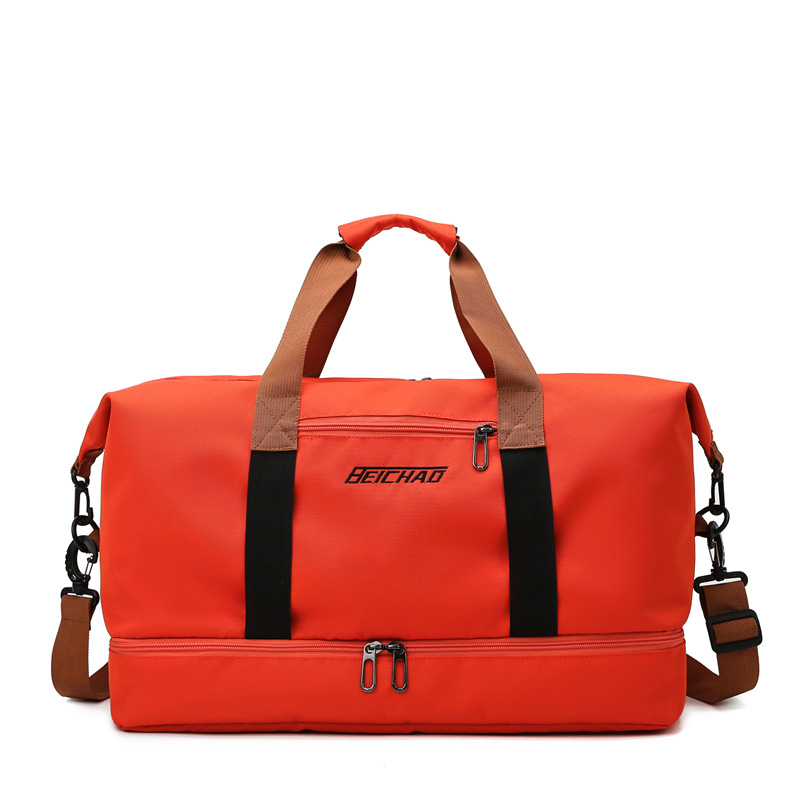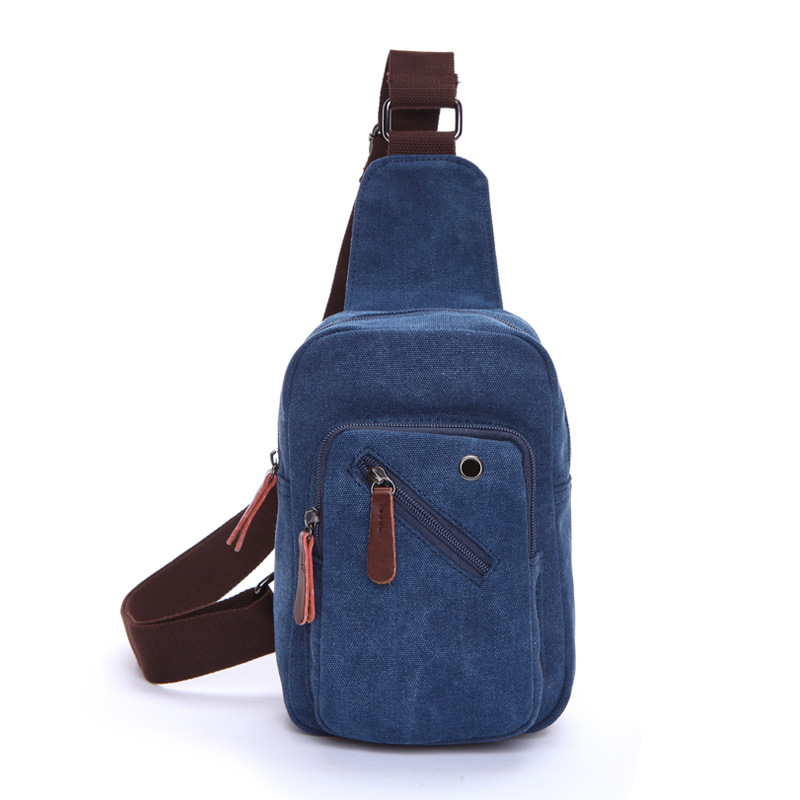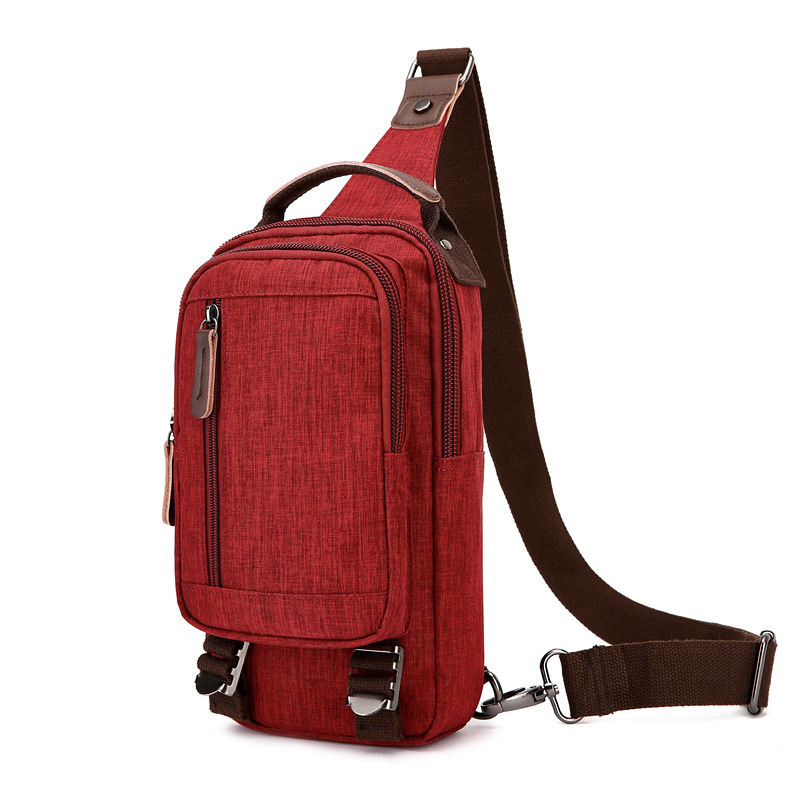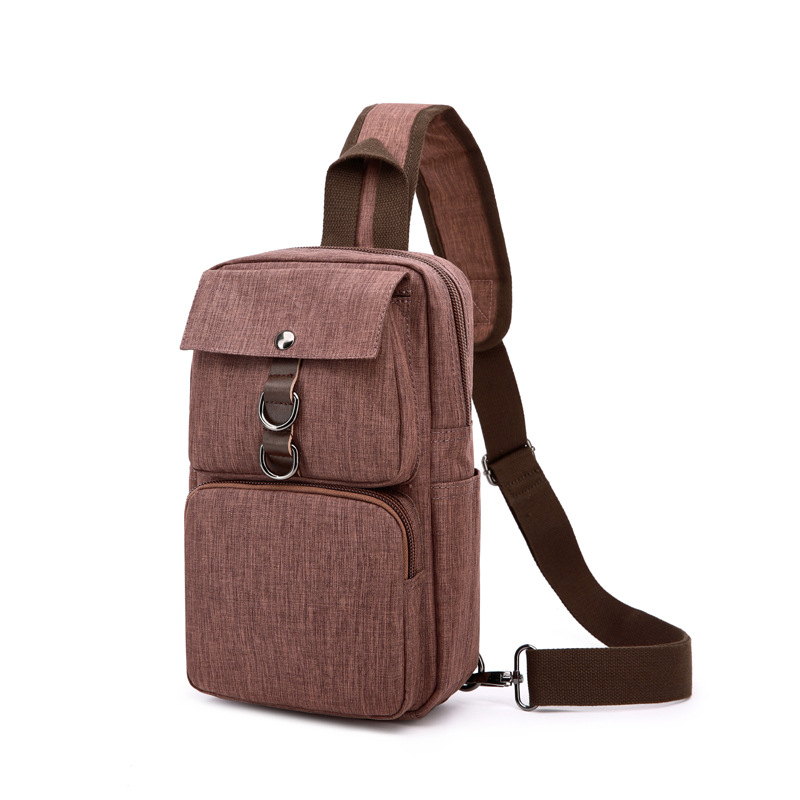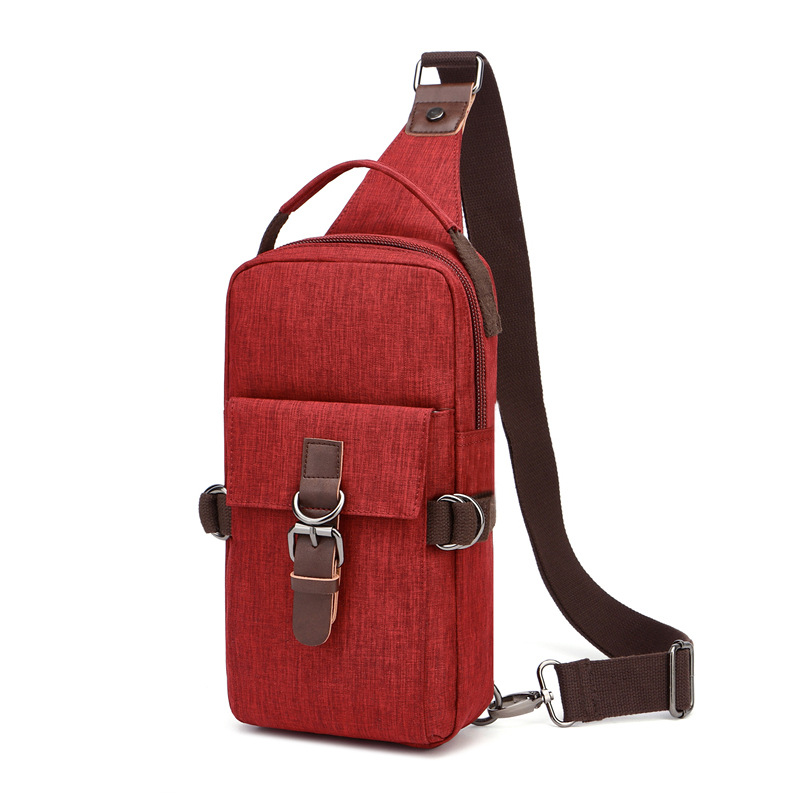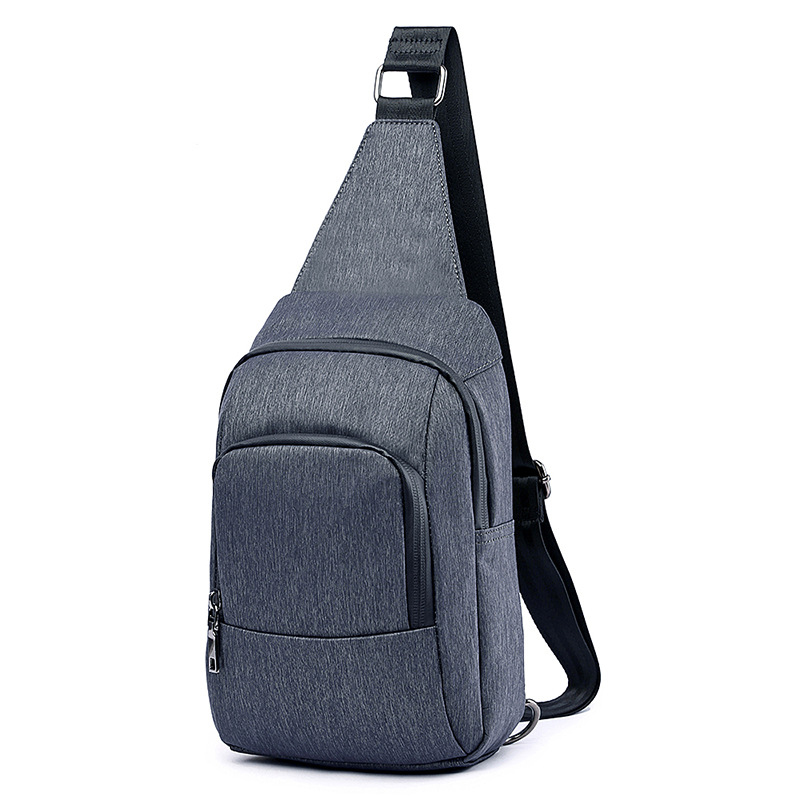
Sling Bags: Why They Keep Showing Up in Buying Lists
A sling bag looks simple from the outside, but for buyers and product teams it sits in a useful middle ground: more organized than a pocket-heavy jacket, lighter than a backpack, and easier to access than a tote. That is why the sling bag keeps coming up in retail assortments, travel accessories, commuter gear, and even promotional product lines. When people search for a crossbody sling bag, they are usually not looking for fashion alone. They are trying to solve a basic carrying problem: how to keep a phone, wallet, keys, charger, or small tools close without loading up a full-size bag.
For sourcing managers and product developers, the real decision is not whether sling bags sell. It is which style, materials, and features match the customer they are trying to serve. A small sling bag for city use will not be judged the same way as a water resistant sling bag meant for travel or outdoor errands. And a men sling bag crossbody model often sells on clean structure and utility, while a women sling bag crossbody style may lean more toward lighter silhouettes, color range, or interior organization. The category is broad enough that small design choices matter.
What buyers usually want from a sling bag
At the most practical level, the appeal is convenience. A sling bag sits across the body or over one shoulder, so the user can swing it forward and reach the contents without taking it off. That matters in transit, crowded streets, trade show floors, airports, and retail environments where people are constantly in motion.
The main buying criteria tend to be familiar:
- Capacity that holds daily essentials without bulk
- Comfortable strap construction for all-day wear
- Durable fabric or shell material
- Fast access to front or main compartments
- Some level of weather protection, especially for phones and documents
That last point is often underestimated. A water resistant sling bag is not the same as a fully waterproof product, but it can still be the difference between a satisfied user and a damaged phone after an ordinary commute. Buyers should read claims carefully and avoid assuming all coated fabrics perform the same way.
Common sling bag formats and how they differ
Not every sling bag serves the same market. The market is better understood as a set of use cases.
Urban daily carry
This version usually focuses on slim proportions, an organized pocket layout, and a low-profile look. It is the model most likely to be compared with a small sling bag or a crossbody sling bag for casual city use. Buyers should watch the balance between compact size and usable access. Some small bags look neat in photos but become frustrating once a power bank, sunglasses case, and earbuds are inside.
Travel and commuting
These models usually need better strap adjustability, more secure zippers, and a bit more structure. A travel sling bag may be used over layered clothing, so strap range matters more than many teams expect. If the strap hardware feels flimsy, returns can rise quickly.
Lifestyle and fashion-led models
This is where sling bag men and sling bag women assortments can diverge in merchandising terms. The core construction may be similar, but the selling language changes. Men sling bag crossbody styles often emphasize function, darker palettes, and technical fabrics. Women sling bag crossbody options may emphasize slimmer profiles, softer lines, or more visible styling details. None of that is universal, of course, but it shapes how retail buyers position the product.
Material and construction details that matter
For most buyers, the bag’s outer material is where quality becomes visible first. Polyester and nylon remain common because they are practical, cost-effective, and relatively easy to work with in manufacturing. Coated finishes can help with moisture shedding, though performance varies. Faux leather or leather-look materials may be chosen for a more refined appearance, but they can add weight and change how the bag wears over time.
Pay attention to the parts that are easy to overlook in a spec sheet:
- Stitch density at stress points
- Zipper quality and pull design
- Strap width and edge finish
- Lining durability inside high-friction compartments
- Reinforcement where the strap meets the body
These are not glamorous details, but they often determine whether a sling bag feels reliable after three months or three weeks.
Common mistakes buyers make
One frequent mistake is treating every sling bag as a miniature backpack. The carrying geometry is different. If the bag is overloaded, it becomes awkward and can swing uncomfortably. Another mistake is chasing the slimmest profile possible and then discovering the product cannot hold modern everyday items.
A second issue is confusing water resistant with weatherproof. Buyers should avoid overpromising unless the bag has been built and tested for that claim. If the goal is commuter use in mixed conditions, the safer path is to state protection modestly and make the closure system as secure as possible.
There is also a merchandising trap: making too many nearly identical SKUs. A clear line-up works better than a crowded wall of small variants that differ only in color by a narrow margin. Shoppers can tell when a range lacks purpose.
How to choose the right sling bag for your market
Start with the user scenario, not the silhouette. Ask whether the product is meant for travel, work commutes, casual weekend carry, or urban fashion. Then match size, pocketing, and material accordingly. If the buyer values utility, prioritize structure and access. If style is the driver, make sure the bag still performs on comfort and durability; looks alone do not protect sell-through.
A good sling bag does a few things well rather than trying to imitate a backpack in miniature. That is usually the most useful framing for internal product discussions too.
What to ask suppliers before placing an order
Before moving forward, buyers should ask for clear construction details, material descriptions, and sample photos that show interior organization, zipper paths, and strap attachment points. If the bag is intended to be a water resistant sling bag, ask how that claim is supported in the build. If the line targets both sling bag men and sling bag women audiences, request mockups or merchandising suggestions so the styling reads correctly in the market.
The right next step is simple: define the end user, compare a few sample builds side by side, and judge them in the hand rather than only on a screen. With sling bags, the difference between a decent product and a good one is often one small design choice that becomes obvious only after carrying it around for a day.