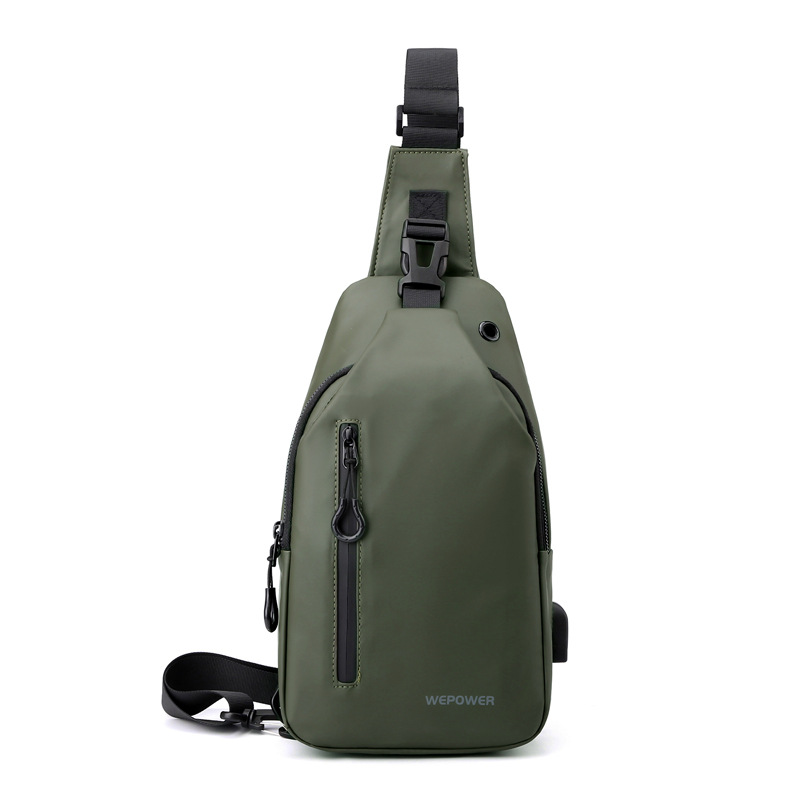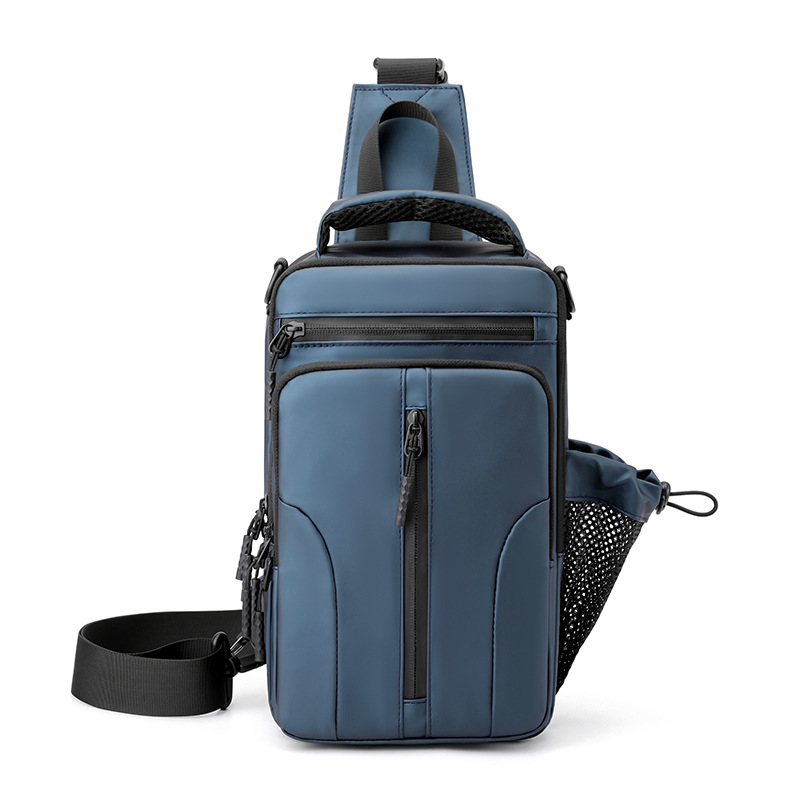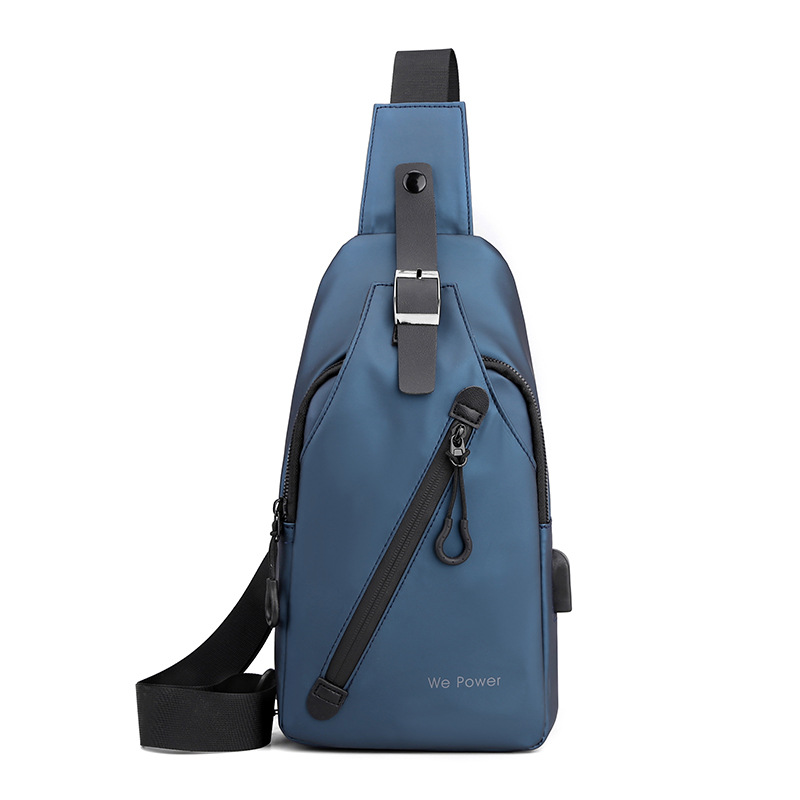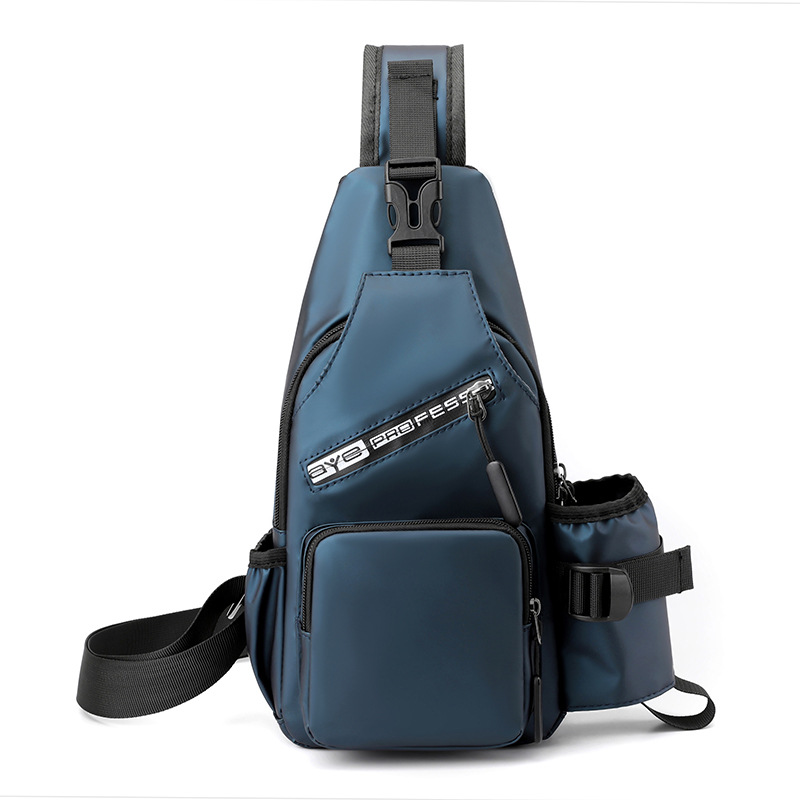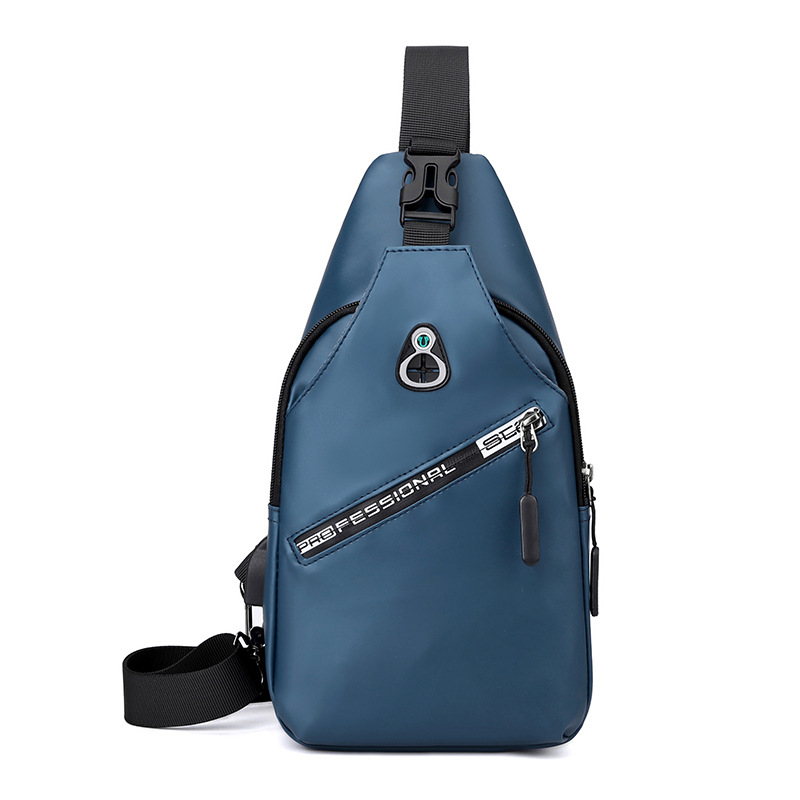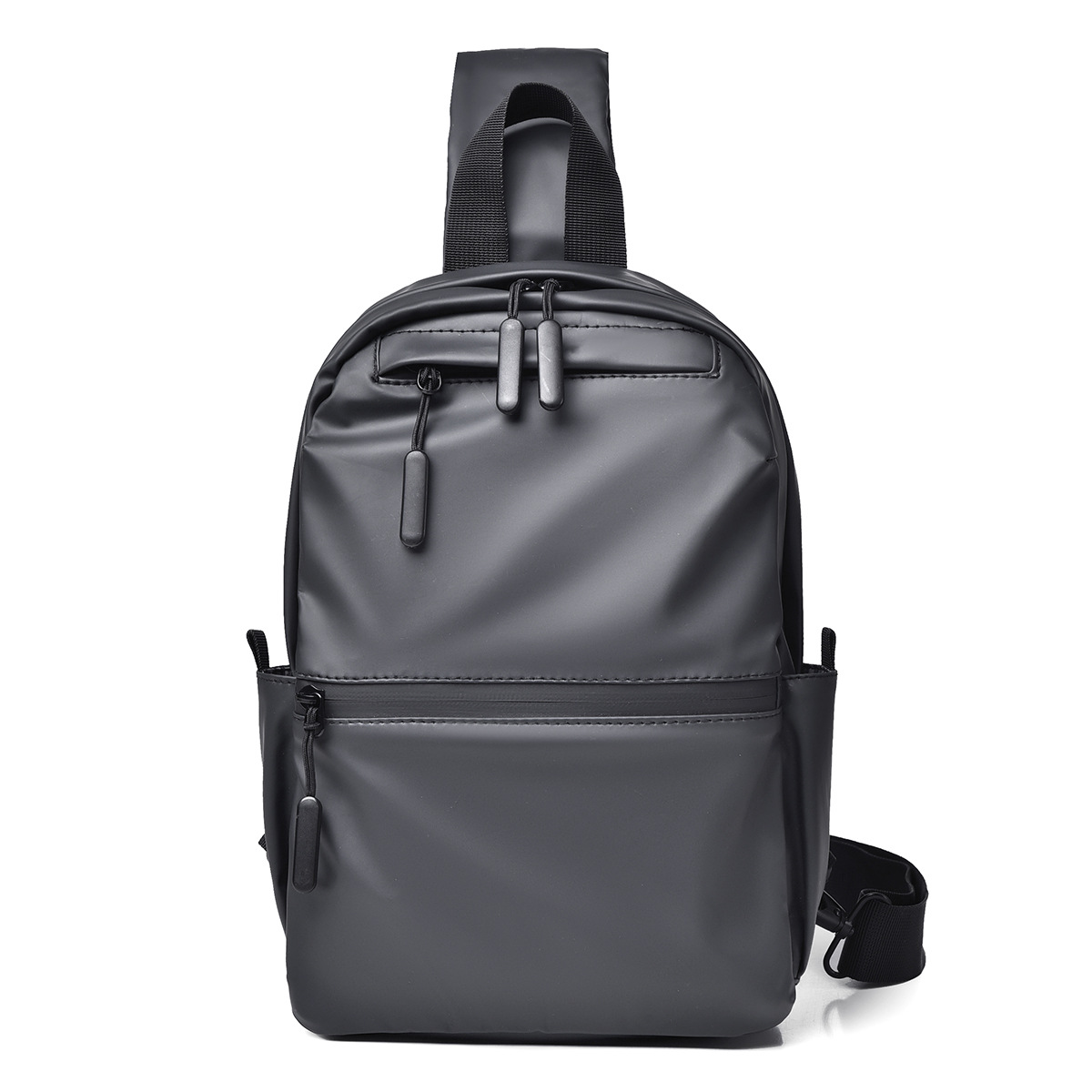
A good sling bag solves a very specific problem: carrying the everyday items you actually use, without the bulk of a backpack or the awkward carry of a tote. For buyers, the question is not whether a sling bag looks compact; it is whether the layout, strap, and materials will hold up to commuting, travel, or daily errands without turning into a nuisance after two weeks.
That makes the category worth taking seriously. A small bag can still be badly designed. A larger one can still feel cramped. And once you start comparing a crossbody sling bag, a shoulder sling bag, and a travel sling bag, the differences are less about fashion labels and more about how the bag carries weight, how fast you can reach the contents, and how well it protects what is inside.
What buyers usually want from a sling bag
Most shoppers want a bag that sits close to the body, moves easily in crowded places, and keeps essentials in reach. That might mean a phone, wallet, keys, a power bank, earbuds, a notebook, or a small water bottle. The good models do this with one main compartment and a few smaller pockets, rather than an overbuilt set of features that adds weight without real value.
For manufacturers and sourcing teams, that means the design brief should start with use case. A commuter bag is not the same as a travel bag. A city carry piece is not the same as a weekend sling. If the product line tries to be everything at once, the result is often a bag that is neither comfortable nor especially useful.
Quick comparison: form follows use
Everyday commuting
A crossbody sling bag usually works well here because it spreads the load across the torso and stays stable when walking. It should sit flat, avoid excessive swing, and open quickly without forcing the wearer to take it off every time.
Casual carry and short trips
A shoulder sling bag can feel a little more relaxed, but buyers should pay attention to strap width and padding. Narrow straps may look sleek, yet they can become tiring once the bag is loaded with heavier items.
Travel and transit
A travel sling bag is often judged by access and security. Easy-reach pockets matter, but so does the ability to keep documents, cards, and a phone organized. Many travelers also want an anti-theft sling bag with hidden zippers, secure closures, or a layout that makes opportunistic access more difficult. That is useful, but only if the bag remains practical in normal use.
Construction details that matter more than the marketing copy
The outer fabric is only one part of the story. Polyester and nylon are common because they balance weight, wear resistance, and cost. Heavier fabrics may feel more substantial, while lighter ones can improve comfort, but the stitching and strap attachment points often tell you more about durability than the material label alone.
Zippers deserve close attention. A sleek bag with weak zippers is a bad trade. Buyers should look at zipper smoothness, pull size, and whether the opening is easy to use one-handed. Interior lining also matters. A simple lining may be fine for basic carry, but if the bag will hold electronics or frequent-travel items, a better-organized interior can reduce daily frustration.
Hardware is another detail that gets ignored too often. Buckles, adjusters, and swivels should feel consistent and not overly loose. If the sling bag is intended for repeated use, strap wear and connection points deserve the same scrutiny as the outer shell.
Choosing by audience without getting trapped by labels
Retail and catalog language often splits the category into men sling bag and women sling bag, but in practice the better filter is size, color range, carry style, and pocket layout. Some buyers want a slim, low-profile bag. Others want more organization or a softer silhouette. A unisex sling bag often makes sense for procurement because it avoids over-segmenting stock and usually broadens the market.
That said, label language still influences presentation, especially in consumer channels. If a design is targeted at a specific audience, the strap length, body dimensions, and pocket placement should match how that group typically carries daily items. Otherwise the branding and the product experience will work against each other. A practical aside: many returns come from size mismatch, not outright defects.
Common mistakes buyers make
The first mistake is treating capacity as the only specification. A bag can technically fit the contents and still be miserable to carry. The second is ignoring access. If the main compartment is roomy but awkward to open, the bag will feel worse than a smaller, better arranged version.
The third is overlooking how the bag sits on the body. Some sling bags ride too high, others shift too much while walking, and some look fine on a hanger but awkward in motion. The fourth is buying purely on style and forgetting the actual load. A travel sling bag carrying passports and chargers needs a different construction than a light daily carry piece.
Practical buyer advice before placing an order
Start with the load list, not the color card. Decide what must fit, what should stay accessible, and what can be left out. Then compare strap width, pocket count, and the shape of the body panel. If the product is for retail, ask whether the bag can work across multiple use cases without becoming oversized.
For sourcing teams, sample evaluation should include more than visual inspection. Open and close the zippers repeatedly. Check how the strap adjusts under a realistic load. Test whether small items disappear into the interior or stay organized. And if an anti-theft sling bag is being positioned as a security-minded product, make sure the anti-theft features are genuinely usable rather than just decorative.
FAQ: what people usually ask
Is a sling bag good for everyday use?
Yes, if the size and strap design match the daily load. It is often ideal for light carry and short-to-medium outings.
Is a crossbody sling bag more comfortable than a backpack?
For lighter loads, often yes. For heavier loads, a backpack usually distributes weight better. That tradeoff matters more than style preferences.
What makes a travel sling bag worth buying?
Access, organization, and comfort under movement. Travel is where weak straps and poorly placed pockets become obvious fast.
A simple next step
If you are buying or developing a sling bag line, define the load first, then the carry style, then the security needs. That sequence prevents a lot of expensive guesswork. The best products in this category are not trying to be glamorous. They are just easy to wear, quick to use, and sensible about the things people carry every day.