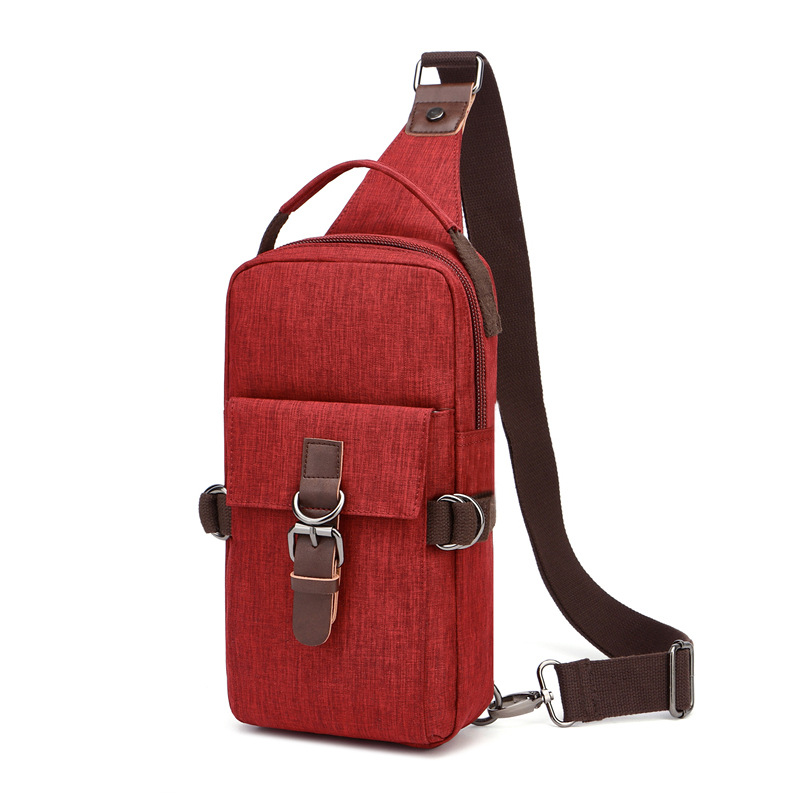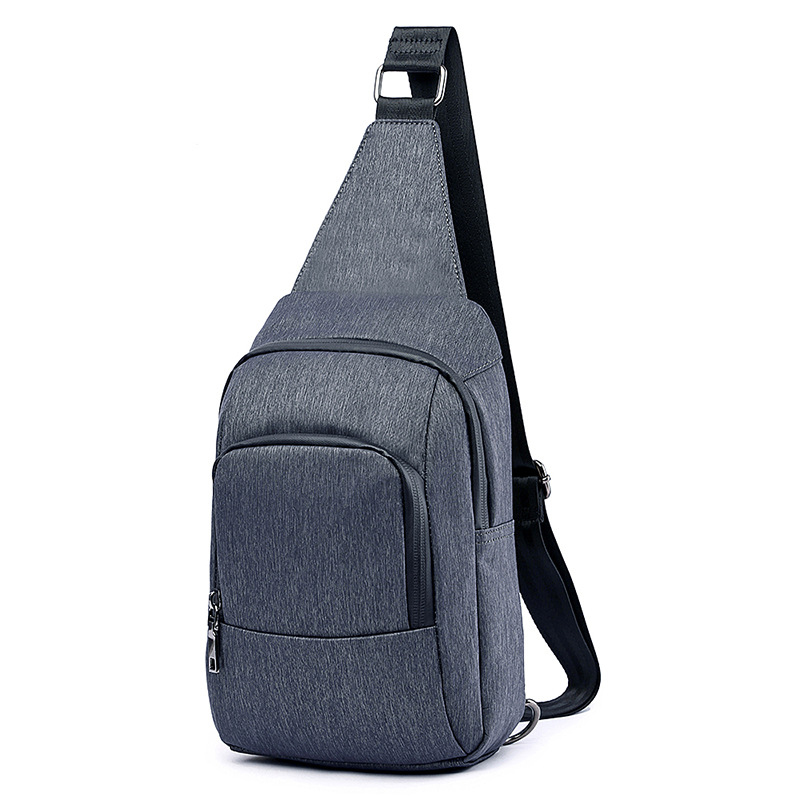
Why the sling bag has become a practical carry option
A sling bag sits in that useful middle ground between a backpack and a pocketed jacket. For people who need to carry a phone, wallet, keys, power bank, transit card, or a small notebook, it offers faster access and less bulk than a full-size pack. That is part of why the format shows up everywhere now, from commuting to day trips to light retail merchandising. The appeal is simple: keep essentials close, keep hands free, and avoid overloading one shoulder the way a larger bag can sometimes do.
For sourcing teams and product planners, the real question is not whether the category sells. It does. The question is which construction, size, and carry style fit the buyer’s use case. A poorly chosen bag can feel awkward after an hour, swing too much while walking, or fail to organize small items cleanly. A well-designed one can become the bag people reach for every day.
What buyers usually want from this category
The sling bag category is broad, but the buying logic is fairly consistent. Users want quick access, a compact footprint, and a comfortable fit across the chest or back. Some prefer a crossbody bag style for urban commuting, while others lean toward a shoulder sling bag for casual wear and short errands. The difference is not just naming. Strap geometry, opening direction, and pocket layout all affect how the bag behaves in use.
In apparel-adjacent products, fit is often where the sale is won or lost. A men sling bag may be marketed with darker colors or a more minimal profile, while a women sling bag may emphasize shape, finish, or styling details. In practice, many buyers now expect a unisex sling bag, especially in travel and lifestyle ranges. That makes neutrality in design a useful commercial advantage, provided the proportions are right.
Quick comparison: size, function, and use case
Small sling bag
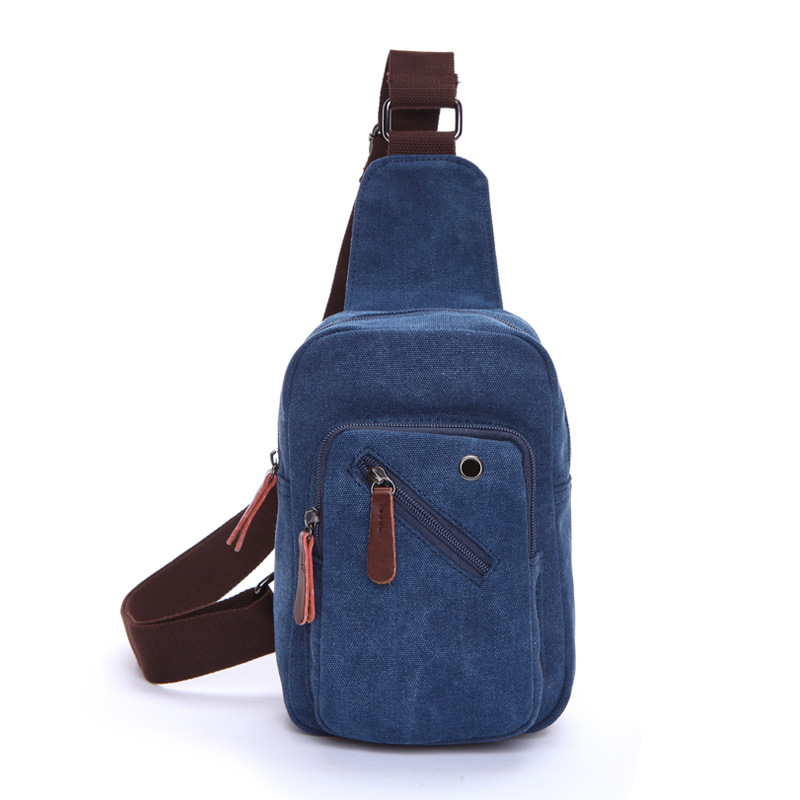
A small sling bag works best for essentials only. It keeps weight down and avoids the “overpacked mini-bag” problem that frustrates users. The trade-off is obvious: if the pocketing is too shallow, the bag becomes cluttered fast.
Travel sling bag
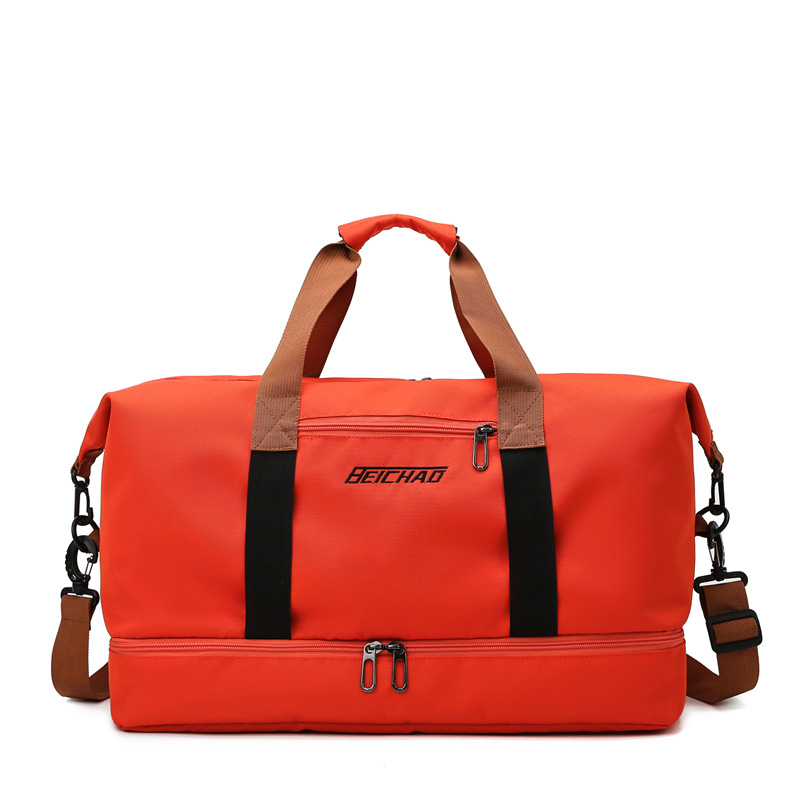
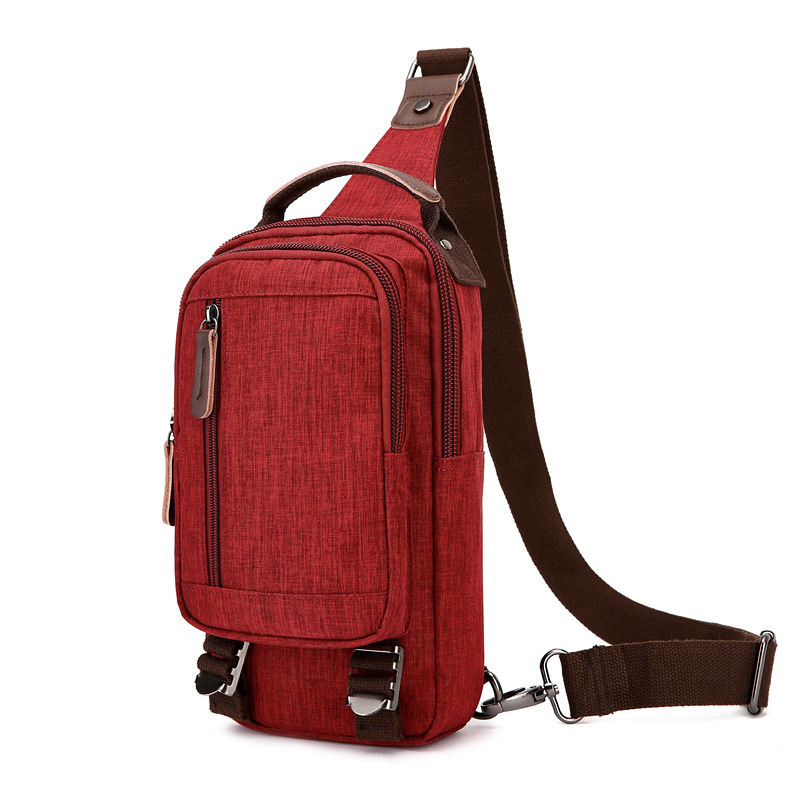
A travel sling bag usually needs stronger organization, a more secure main compartment, and enough space for passports, tickets, or a compact charger. For travel, zippers and pocket placement matter more than fashion details. The bag should be easy to open without dumping contents, which sounds obvious until you’ve watched someone try to find a boarding pass at a gate.
Everyday casual sling styles
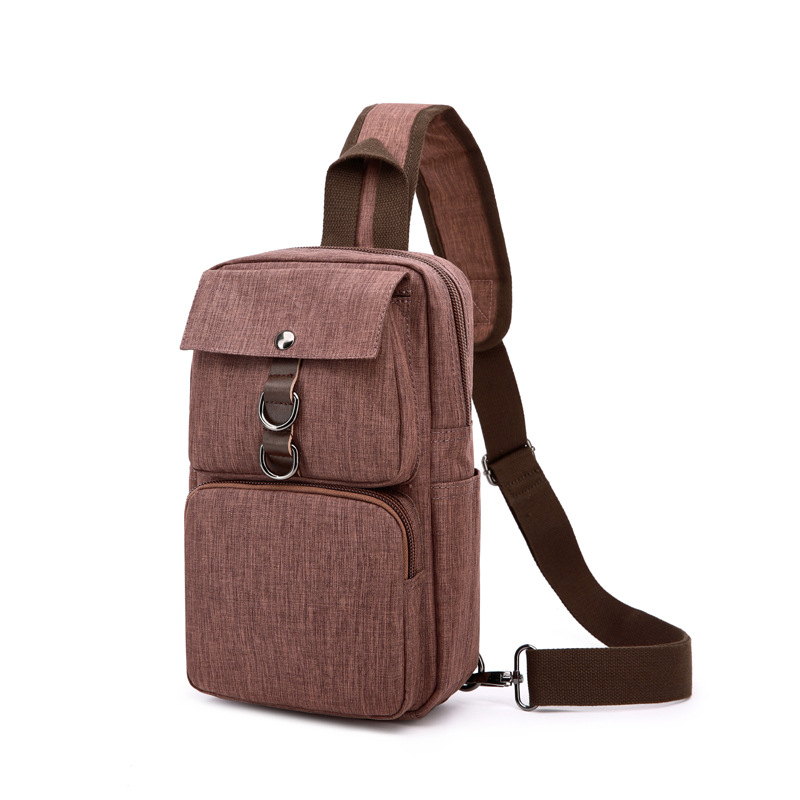
For daily carry, the best designs are often the simplest. Clean lines, a stable strap, and at least one quick-reach pocket usually do more for satisfaction than extra decoration. Heavy hardware can add cost and weight without improving the user experience much.
Materials and construction details that matter
Most of the perceived quality in a sling bag comes from construction, not just the outer fabric. Stitch density, strap attachment points, zipper quality, lining choice, and edge finishing all shape how the product feels after a month of use. A bag that looks fine on a product page can disappoint quickly if the strap twists or the zipper snags.
Common materials range from canvas and nylon to synthetic leather and polyester blends. Nylon is often chosen for a lighter, more practical feel, while canvas can give a more casual or heritage look. Synthetic leather may appeal in fashion-led ranges, though it usually asks for better care instructions. The point for buyers is to match material to channel. A retail-focused fashion piece is judged differently from a travel-ready utility item.
Selection criteria for sourcing teams
Start with end use, not with aesthetics. If the bag is meant for commuting, look closely at security and access. If it is for travel, focus on organization and theft resistance. If it is for lifestyle merchandising, the silhouette and colorway may carry more weight than internal structure. That said, a fashionable bag still has to work. Customers forgive a modest design faster than a flawed one.
Also consider carrying comfort over a full day. Strap width, adjustability, and the way the bag sits against the body can make a basic product feel premium. If possible, ask how the strap is reinforced at stress points and whether the bag keeps its shape when lightly loaded. A slack, collapsing sling looks inexpensive even if the exterior materials are decent.
Common mistakes buyers should avoid
One frequent mistake is treating every sling bag as a fashion accessory first and a carry product second. That usually leads to under-sized interiors, weak hardware, and poor compartment planning. Another is adding too many pockets. A bag can become fussy very quickly when users have to remember where every item goes.
It is also worth watching for size inflation. Some products are described as compact, but once a phone case, glasses, charger, and small bottle are added, the bag stops closing cleanly. Buyers should ask for real internal dimensions and review sample packing behavior rather than relying on product photography alone.
Practical advice for product and sourcing decisions
If you are building a range, it often helps to define three clear tiers: a small daily-use model, a more structured travel version, and a style-led version with broader appeal. That gives merchandising teams room to target different buyers without confusing the assortment. For many markets, a unisex sling bag line performs better than over-segmented gendered models, though color and trim can still shift the tone.
For buyers evaluating samples, check how the bag feels after repeated strap adjustments, how easily the zipper track opens with one hand, and whether the main compartment returns to shape after loading. Small details like these decide whether a sling bag becomes a repeat purchase or just another impulse item.
FAQ
Is a sling bag better than a backpack for daily carry?
For light carry and quick access, often yes. For heavier loads, a backpack usually spreads weight more comfortably.
Who typically buys a crossbody bag or sling style?
Urban commuters, travelers, casual shoppers, and anyone who wants essentials close without carrying a larger bag.
What should buyers prioritize first?
Function, comfort, and build quality. Style helps sell the product, but poor ergonomics hurt repeat demand.
Next step for buyers and product teams
If you are sourcing or developing a sling bag range, start by defining the intended carry load, target user, and daily wear scenario. From there, compare construction details sample by sample. That approach usually exposes the weak spots early, before the order is locked in. A bag that looks right on a screen is one thing; a bag that earns a place in someone’s daily routine is another.