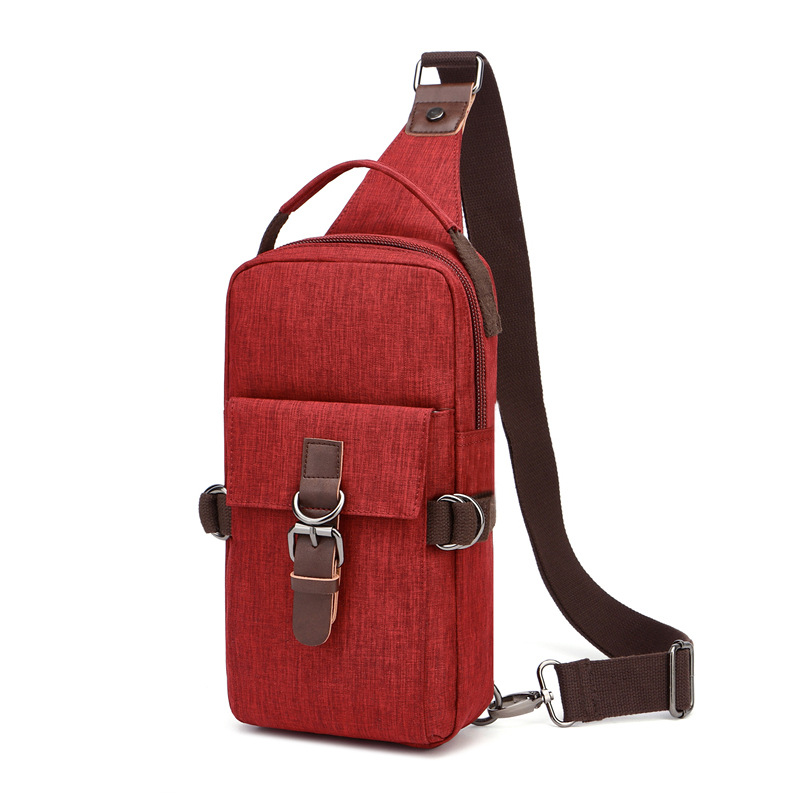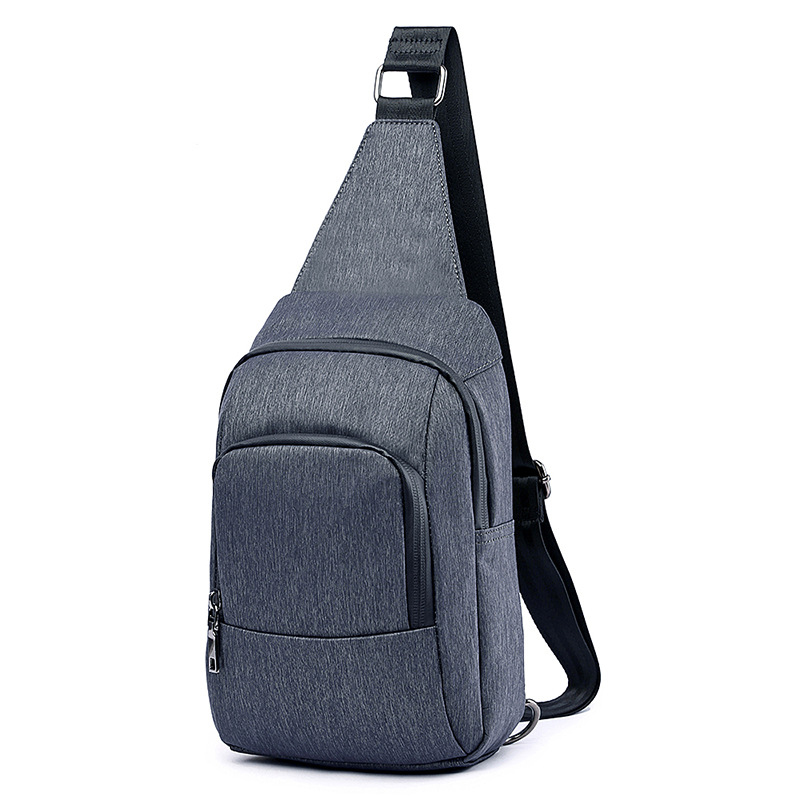
Why a sling bag keeps showing up in buying conversations
A sling bag sits in a useful middle ground between pockets, backpacks, and larger messenger styles. For commuters, travelers, retail staff, and anyone who carries a phone, wallet, keys, charger, and a few extras, that middle ground matters. Too small, and the bag becomes annoying. Too large, and it turns into dead weight. The appeal of a sling bag is simple: it keeps essentials close, moves with the body, and does not demand the same shoulder commitment as a larger carry solution.
That is also why the category has grown beyond fashion. Buyers now look at the sling bag as a practical daily tool. The right shape can make a long transit ride easier, reduce pocket bulge, and give you quicker access to items you actually use. The wrong one, though, tends to sag, dig into the shoulder, or force awkward rummaging at checkout counters and airport gates.
What this style does better than a backpack or tote
A crossbody sling bag is usually worn across the chest or back, with a single strap that lets the bag swing forward when needed. That simple motion is what makes it useful in crowded places. You can bring the bag around to the front without taking it off, which is handy when you need a passport, transit card, or earphones in a hurry.
A shoulder sling bag can work for lighter carry, but it is worth being honest about comfort. One strap always concentrates load differently from two straps. For a few compact items, that is fine. For heavier kits, it can become tiring faster than some buyers expect. This is one reason a compact sling bag often performs better than an overbuilt one. The smaller format encourages better load discipline.
Material, structure, and the details that change day-to-day use
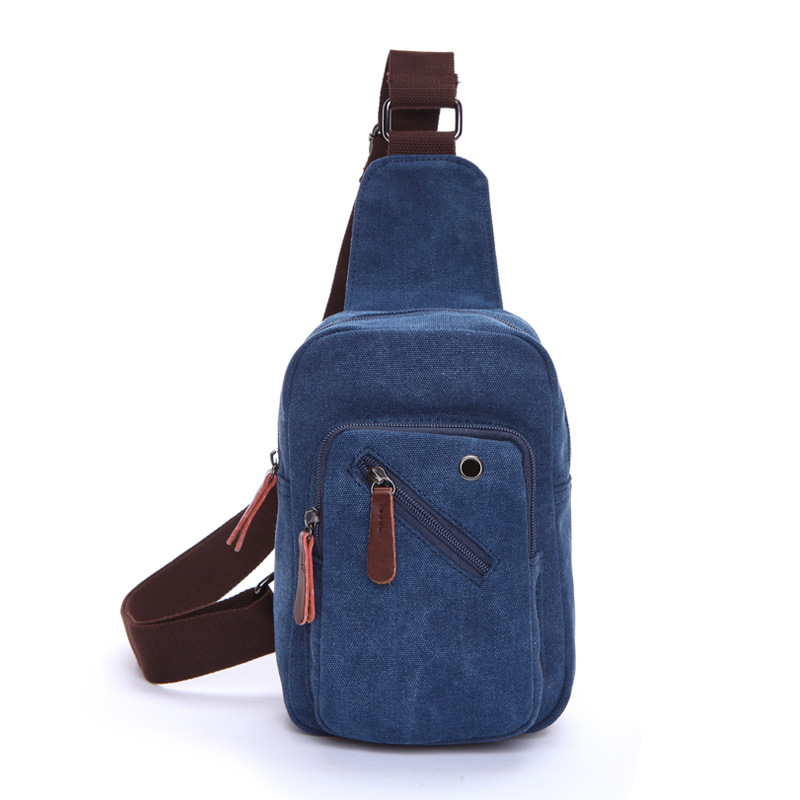
Not every sling bag is built for the same task. Fabric choice, lining, zipper quality, strap adjustability, and pocket layout all change how the bag behaves after a month of real use. Nylon and polyester are common in utility-oriented designs because they are light and easy to wipe clean. Leather or leather-look finishes lean more formal, though they usually add weight and may show wear differently. Canvas can feel relaxed and durable, but it may absorb dirt more readily than synthetic fabrics.
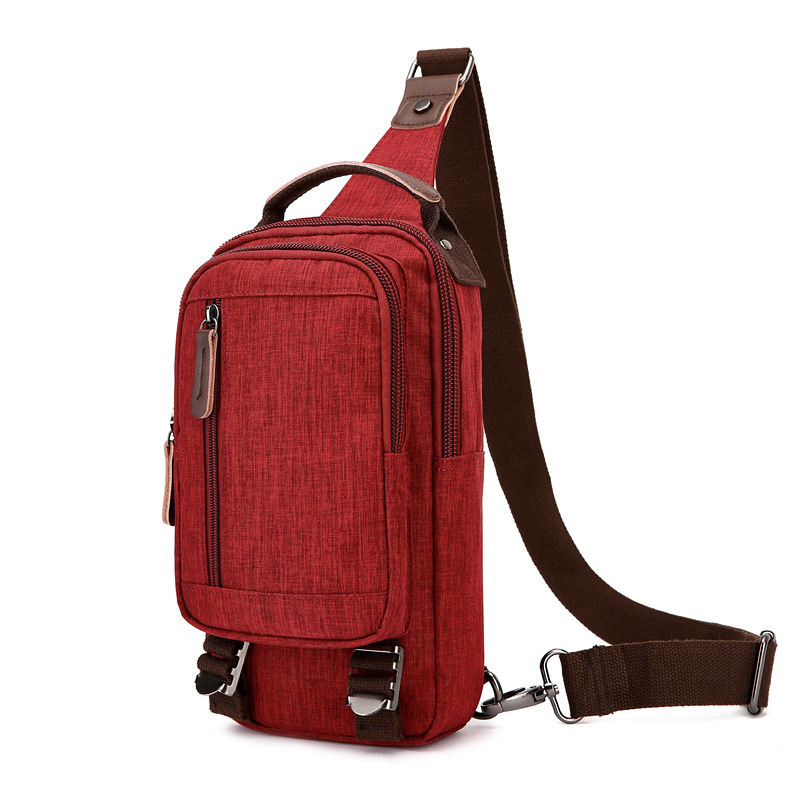
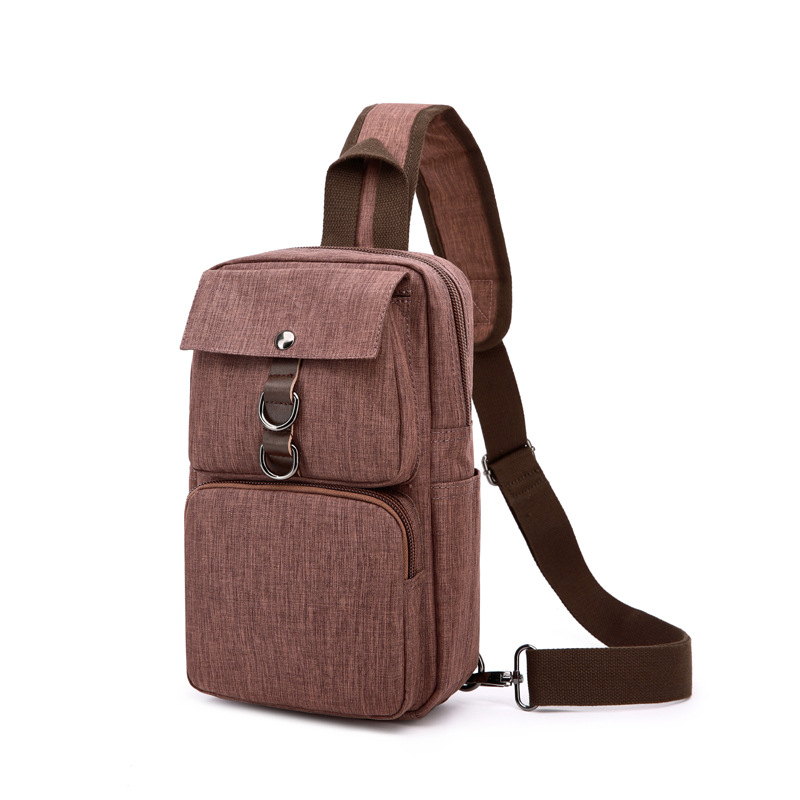
Structure matters too. A small sling bag with one deep compartment can look tidy on a product page and still be frustrating in daily use if the contents sink to the bottom. Buyers often do better with at least one quick-access pocket and one secure main section. If the bag carries electronics, a little padding helps. If it is meant for travel, an internal divider can prevent cables from tangling with cards or sunglasses. These sound like small points until the first time someone tries to fish out a metro pass at a turnstile.
Choosing the right fit for your use case
For commuting
If the bag will be used every day on trains, buses, or bikes, comfort should outrank style. A strap that adjusts smoothly and stays put makes a bigger difference than decorative hardware. A sling bag for commuting should also sit close to the body so it does not swing into others in tight spaces.
For travel
Travel buyers often want a compact sling bag with secure closures and easy front access. The point is not to carry everything. It is to keep travel documents, charging gear, and a few high-value items organized and visible. If a bag is too loose or shallow, it can be awkward under a jacket or in an overhead-bin shuffle.
For everyday style
Marketing often separates a men sling bag from a women sling bag, but the better lens is usually proportion, color, and carrying habit rather than gender labels. A unisex sling bag with a clean profile can work across wardrobes more easily than a trend-driven shape. Buyers who want a small sling bag for casual wear should pay attention to silhouette as much as storage. A neat-looking bag that carries badly will not stay in rotation for long.
Common buying mistakes
One common mistake is overestimating how much will fit. A sling bag is not a substitute for a backpack, and trying to make it behave like one usually ends badly. Another mistake is ignoring strap length. If the strap is too short, the bag sits awkwardly high; too long, and it bounces around. It sounds obvious, yet this is one of the most frequent reasons a buyer returns to the market after a disappointing first purchase.
People also underestimate how often they will open the bag one-handed. Zippers that snag, pockets that are too tight, or flaps that need two hands can be genuinely frustrating in real use. A compact sling bag should be compact in size, not compact in function.
Practical buyer advice before you place an order
Start with the load, not the look. List the items that will live in the bag on most days, then buy for that set rather than for a worst-case scenario. If the bag is for commuting, prioritize access and comfort. If it is for sales visits or site moves, prioritize organization and durability. If it is for casual wear, choose a sling bag that sits naturally with the clothes you already own.
It also helps to inspect the closure system. Zippers, magnetic flaps, and buckle details all have tradeoffs. Zippers feel more secure; flaps can feel faster; buckles sometimes add bulk. None is universally best. The right choice depends on whether the bag is meant to move through busy streets, office corridors, airports, or weekend errands.
FAQ for first-time buyers
Is a sling bag enough for daily carry?
For many people, yes. If the daily load is limited to essentials, a sling bag is often the more convenient choice. If you regularly carry books, tablets, or bulkier items, you may outgrow it quickly.
Is a crossbody sling bag comfortable for long wear?
It can be, provided the load is light and the strap is well designed. Comfort drops fast when the bag is overloaded or the strap digs into the shoulder.
Which version is the most versatile?
A unisex sling bag with neutral styling and a sensible pocket layout tends to have the widest appeal. It is the least fussy option when the goal is everyday usefulness rather than a very specific fashion statement.
What to do next
If you are evaluating a sling bag for a product line, a sourcing program, or even a private-label assortment, focus first on capacity, strap comfort, and pocket logic. Those are the features buyers notice after the first week, not the first glance. A good sling bag disappears into the routine. A bad one keeps reminding the user it is there.
That is the real test. Choose the bag that fits the way people actually carry, not the way they imagine they might carry on a perfect day.