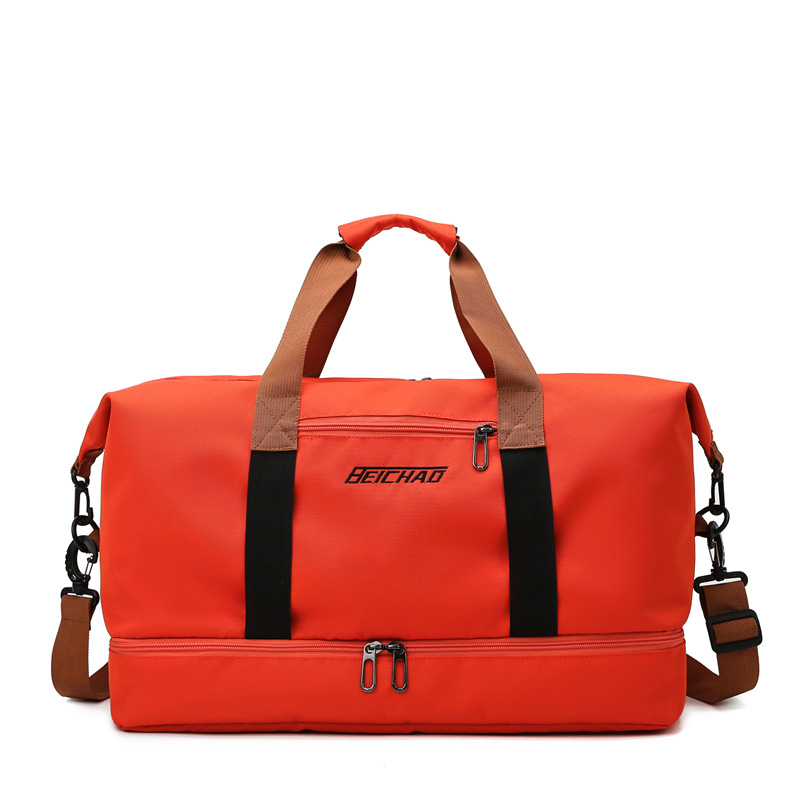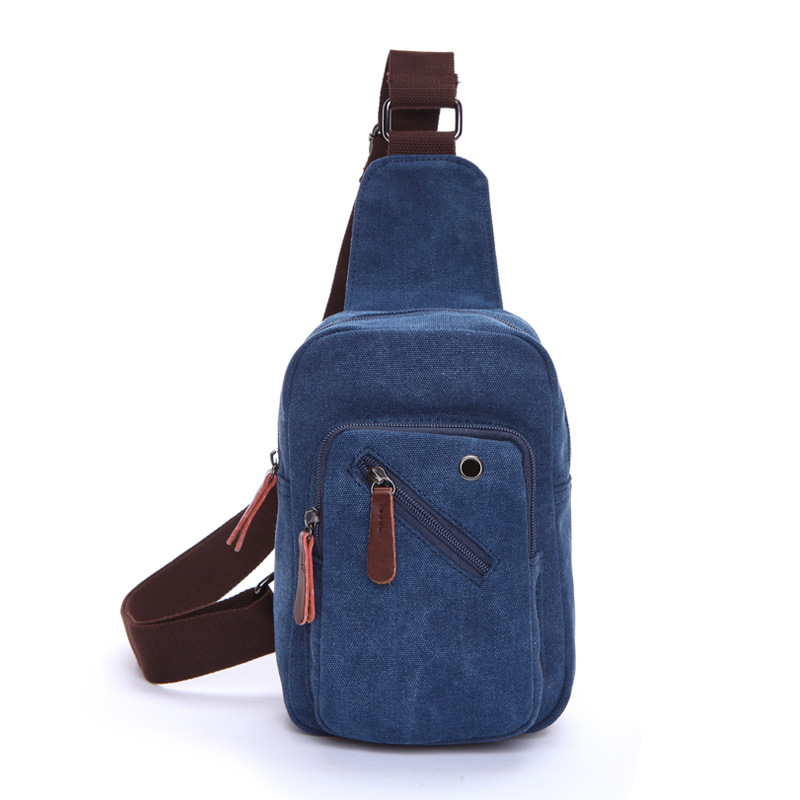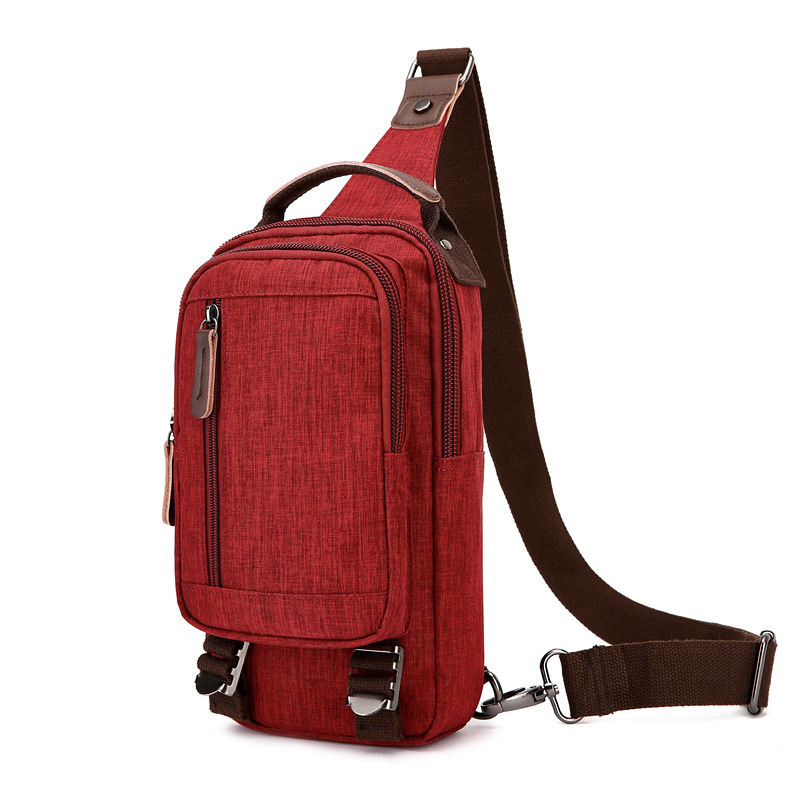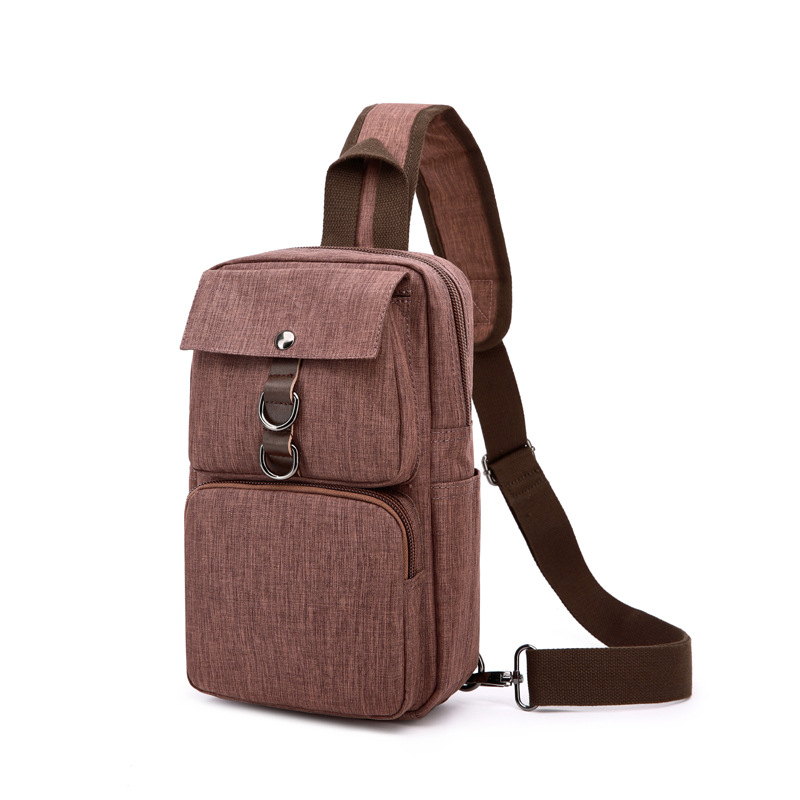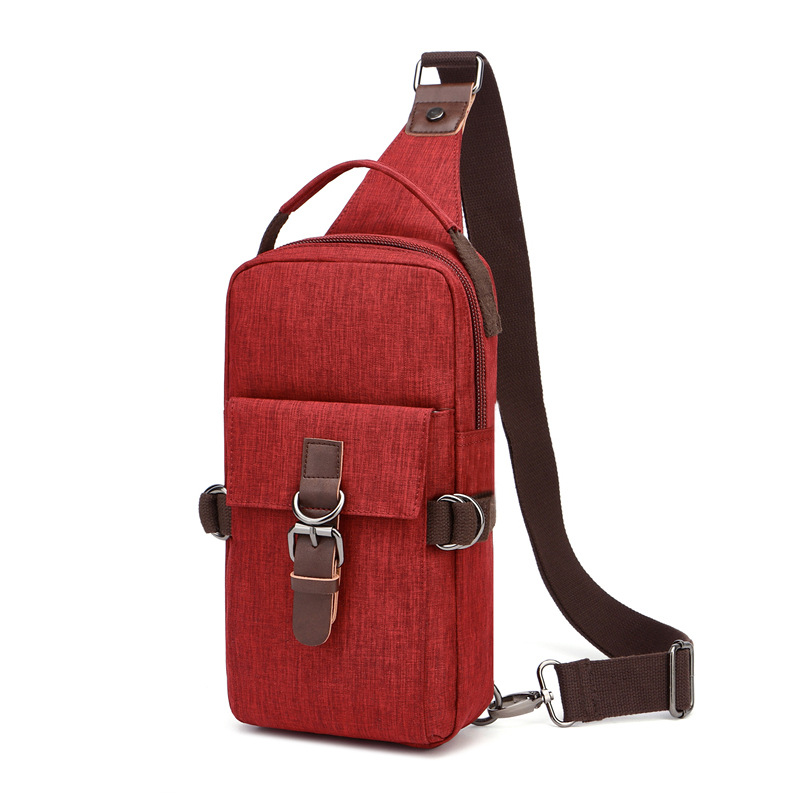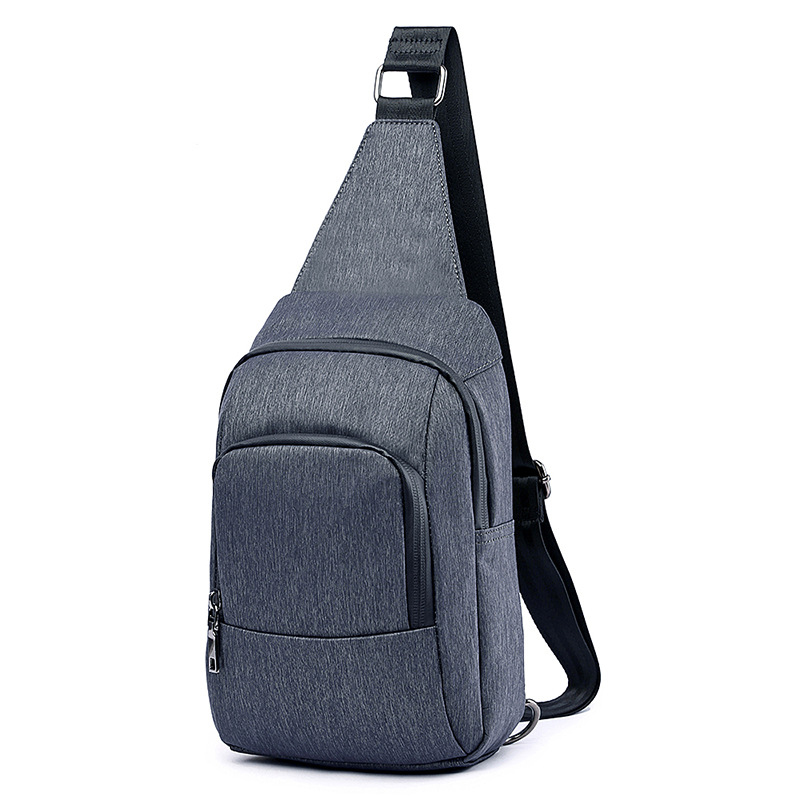
Sling Bags: A Small Format That Solves a Big Carry Problem
A sling bag has become one of those everyday carry items that quietly solves a real problem: people want to move with both hands free, carry less than a backpack, and keep essentials close without stuffing pockets. That simple need explains why the category has grown across commuting, travel, retail, and casual lifestyle markets. For buyers and product teams, the question is not whether the format is useful. The better question is what kind of sling bag fits the intended user, use case, and price point.
The appeal is easy to understand. A compact bag worn across the chest, back, or shoulder gives faster access than a backpack and often feels more balanced than a shoulder tote. For urban commuters, that can mean quick access to a phone, wallet, badge, or transit card. For travelers, it can mean having documents and small electronics within reach. For brands and sourcing teams, it means the product has to do several jobs at once: look current, carry enough, stay comfortable, and survive daily use.
What Buyers Usually Mean When They Say “Sling Bag”
The term is broad, and that matters when evaluating products. A crossbody sling bag may be designed primarily for style and quick access. A men's sling bag may skew toward darker colors, larger pocket layouts, or a more structured profile. A women's sling bag might lean lighter in appearance, with softer shaping or different hardware choices. A unisex sling bag usually aims for the middle ground: practical, neutral, and easy to merchandise across multiple channels.
Size is one of the first decisions. A small sling bag works well for keys, earbuds, a phone, and a few cards, but it will frustrate users who expect water bottles or bulkier items. A travel sling bag usually needs slightly more internal organization, and in many cases a more secure closure system. That sounds obvious, but it is where many bad purchases begin: the bag looks right in a product photo and fails the actual carry test in daily life.
Features That Matter More Than Marketing Copy
In this category, details carry more weight than slogans. Strap width affects comfort. Hardware quality affects durability. Pocket layout affects whether the bag is genuinely useful or just compact. Zippers should run smoothly and feel consistent across the full travel length. If the bag has a padded section for a tablet or compact device, the padding should be purposeful rather than decorative.
An anti-theft sling bag usually adds features such as hidden pockets, lockable zipper pulls, or a body-facing compartment. These can be valuable, but only if they are integrated cleanly. Buyers should be cautious of overbuilt designs that look secure but become awkward to use. A bag that is hard to open in everyday life will often be left in a drawer.
Materials also shape perception and performance. Woven textiles tend to feel lighter and more casual. Coated fabrics can help with moisture resistance, though the overall build quality still matters more than the label on the shell. Linings, stitching, and seam construction are easy to overlook, but they often determine whether the product feels dependable after a few months of use.
How to Choose the Right Sling Bag for the Market
The right choice depends on the customer profile, not just the style trend.
For commuting and city carry, prioritize comfort, access, and a slim profile. For travel, prioritize security features, organization, and easy wear under a jacket or over layered clothing. For fashion retail, silhouette and material finish may matter more, but the bag still needs a functional interior. Even in style-led categories, weak usability tends to show up in reviews quickly.
One practical caution: do not assume that more compartments automatically make a better product. Too many pockets can create bulk, complicate production, and confuse end users. In many cases, a clean main compartment with one or two well-placed accessory pockets is a better commercial choice than a heavily segmented interior.
Common Mistakes in Sourcing and Product Development
A frequent mistake is treating every sling bag as interchangeable. They are not. A travel model, an everyday urban model, and a retail fashion model often require different strap geometry, material weight, and closure choices. Another common miss is ignoring wear comfort. A strap that looks sleek in a line sheet may dig into the shoulder after twenty minutes.
Sizing also causes trouble. If the bag is too small, it loses utility; if it becomes too large, it starts competing with a backpack without matching one on capacity. That middle range is where the category earns its value, and that is where the best products usually stay.
Quick Buyer Checklist
A useful sling bag should answer a few basic tests:
Does it carry the essentials without overstuffing?
Does it stay comfortable when worn for a full day?
Do the pockets and closures match the intended user?
Does the design support the market position: fashion, travel, security, or all-purpose use?
Those questions sound simple, but they save time. They also help avoid the common trap of choosing a bag that photographs well yet performs poorly in actual use.
What to Ask Before You Place an Order
Before approving a sling bag for production or purchase, ask for clear construction details, material descriptions, and closure specifications. If the product is meant for travel, check how the bag handles access and visibility. If it is meant for everyday carry, confirm that the strap, lining, and pocket layout match the target customer’s habits. A supplier should be able to explain the product in practical terms, not just marketing language.
For teams comparing a crossbody sling bag against a more traditional mini pack or shoulder bag, the deciding factor is usually balance: access, comfort, and footprint. Get those three right, and the rest becomes much easier to sell.
FAQ
Is a sling bag suitable for daily use?
Yes, if the size and strap design fit the user’s routine. Many people use one for commuting, errands, and short trips.
Is a travel sling bag better than a backpack?
Not always. A travel sling bag is better for quick access and lighter loads. A backpack is still better for heavier or bulkier carry.
What makes an anti-theft sling bag different?
It usually includes design features intended to discourage casual theft, such as hidden pockets or secure zippers. The real value depends on how well those features are executed.
Next Step for Buyers
If you are sourcing a sling bag line, start with the user scenario first and the aesthetic second. That approach usually leads to fewer returns, cleaner reviews, and a product that actually earns repeat demand. The best-selling model is rarely the most complicated one; it is usually the one that gets the daily details right.