Why a sling bag works for everyday carry
A sling bag sits in a useful middle ground between a full backpack and a pocket-stuffed jacket. For commuters, travelers, and anyone who wants quick access to a phone, wallet, charger, or small notebook, the format makes sense because it keeps essentials close without getting bulky. That is also why buyers often compare a crossbody sling bag with a compact daypack: the sling is usually easier to grab, lighter on the shoulder, and less fussy when you are moving through stations, airports, or crowded streets.
The decision is not just about style. It is about how much you carry, how often you need to reach it, and whether the bag will stay comfortable after a few hours. A good bag should help the day run smoother. A poor one becomes something you keep adjusting, which defeats the point.
What buyers usually mean by a sling bag
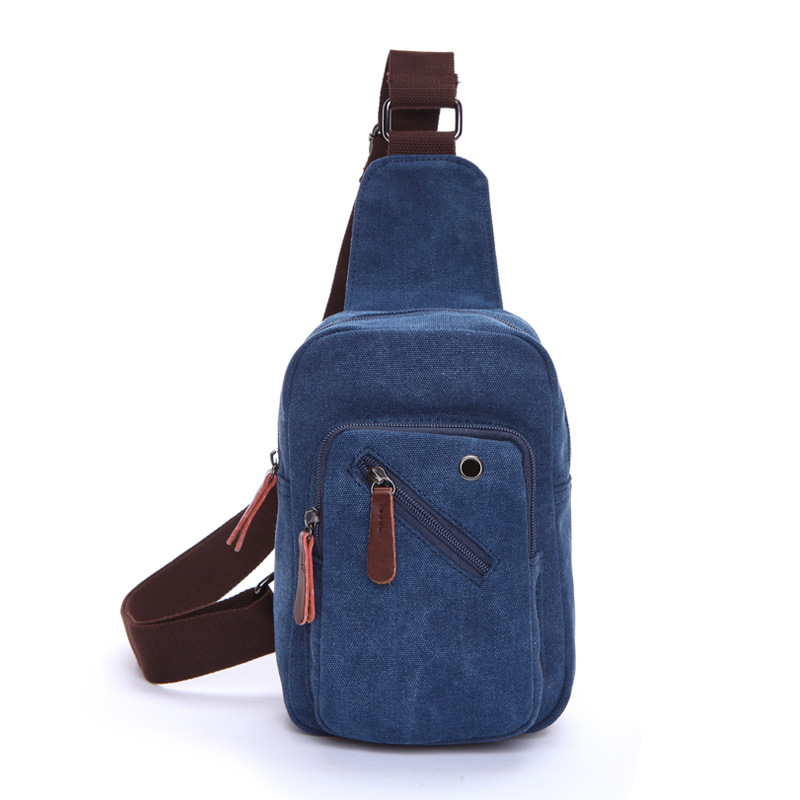
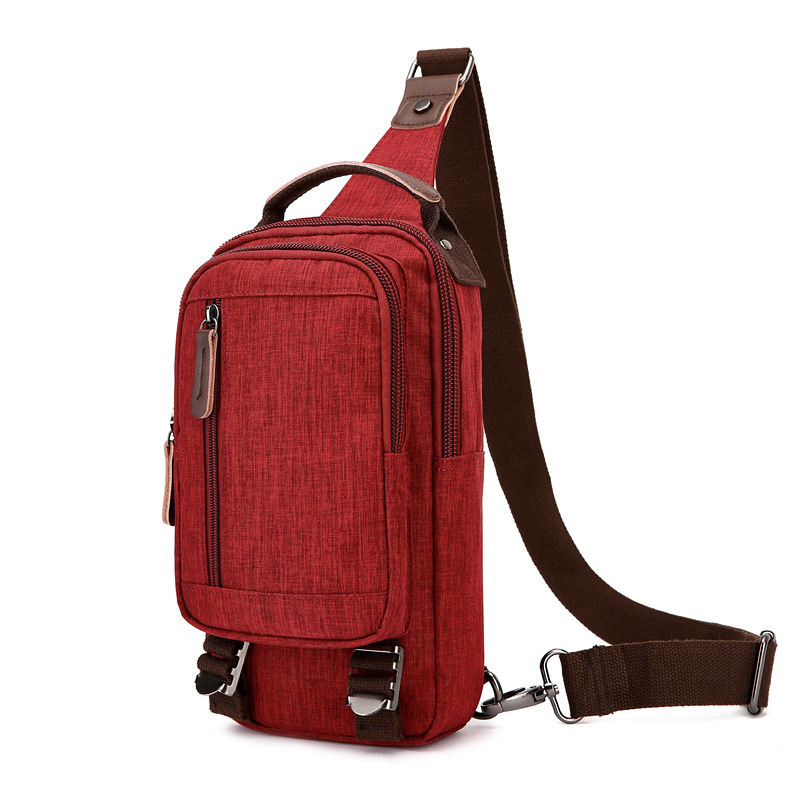
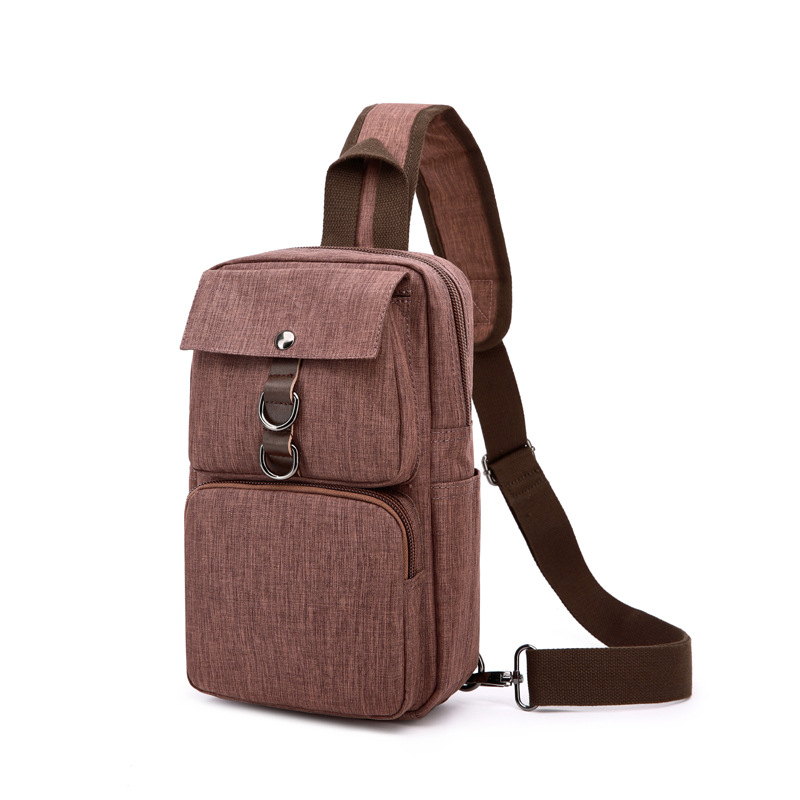
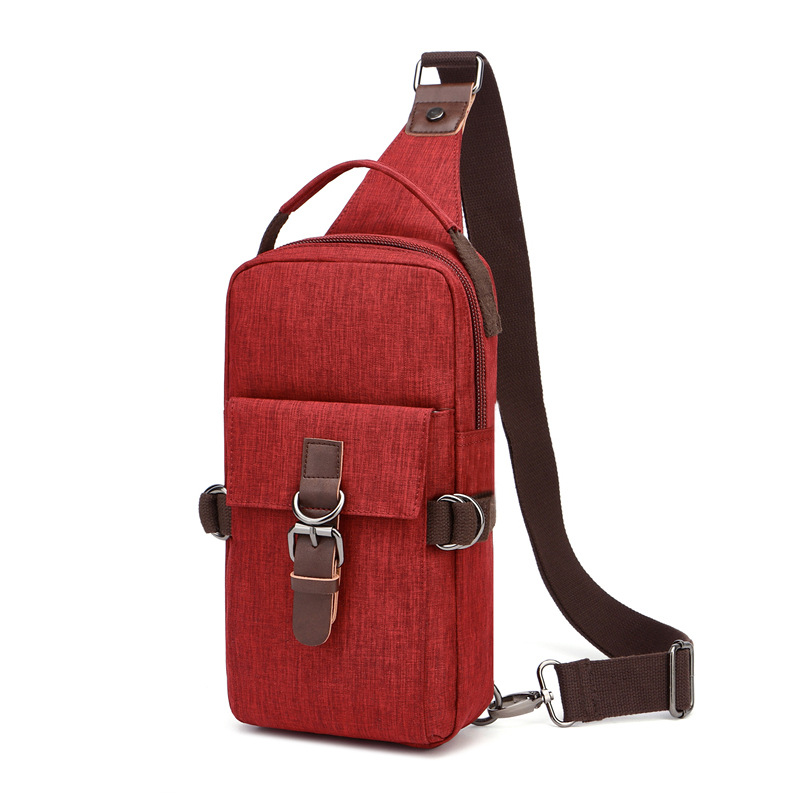
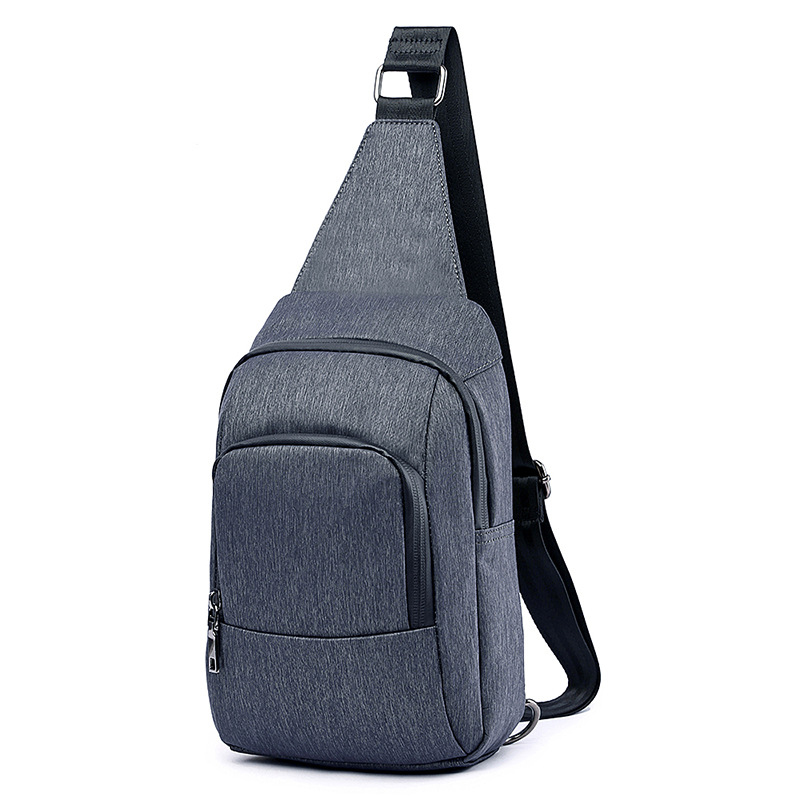
In practice, the category covers several shapes. Some are slim and urban, designed for a phone, keys, and a power bank. Others are closer to a small sling bag with enough room for sunglasses, a water bottle, or a compact camera. You will also see versions built as a mens sling bag with a more structured profile, or a womens sling bag that leans lighter in construction and finish. Those labels are not strict rules, but they do reflect how brands position size, styling, and hardware.
There is also a clear difference between fashion-led pieces and utility-first models. A leather sling bag may look sharper in an office or dinner setting, while nylon or polyester versions usually make more sense for rain, travel, and day-long wear. Neither is automatically better. The right one depends on the use case and how much wear you expect it to take.
Key features to compare before buying
Carry comfort
Check the strap width, adjustability, and whether the bag can be worn on either shoulder. A strap that looks stylish but cuts into the shoulder will not stay in rotation for long. For heavier loads, padding matters more than many shoppers expect.
Access and organization
The appeal of a travel sling bag is speed. Zippers should open smoothly, pockets should be easy to understand, and the main compartment should not force you to dig through everything to find a passport or earbuds. Too many pockets can be as awkward as too few, so simple layouts often age better.
Security
An anti theft sling bag usually adds hidden zippers, concealed compartments, lockable pulls, or slash-resistant details. These features are practical in crowded transit or busy tourist areas, though they are not magic. A secure bag still needs sensible habits: keep valuables in the innermost pocket, close zippers fully, and avoid leaving the bag hanging behind you on a train seat.
Material and finish
Material affects more than appearance. Leather can hold up well and age attractively if cared for, but it tends to be heavier and less tolerant of wet conditions. Fabric bags are lighter and often easier to clean, though cheaper coatings may wear quickly at stress points. If the bag is meant for regular travel, look closely at stitching, zipper quality, and strap attachment points. Those are the areas that usually fail first.
Choosing the right sling for the way you actually move
If the bag is for commuting, a slimmer profile usually works best because it stays out of the way on crowded platforms and in cars. If the bag is for short trips, a travel sling bag with a bit more depth can be worth the extra bulk. If the bag will double as an everyday carry piece, aim for a balanced size rather than chasing the smallest possible form. A tiny bag is neat until you need to add a charger, glasses case, and a folded umbrella.
People sometimes buy purely on appearance and then discover that the bag swings too much while walking, or sits awkwardly across the chest. Fit matters. The ideal sling should sit close to the body without feeling tight. If it shifts every time you lean, it is too large or the strap geometry is wrong for you.
Common mistakes buyers make
The first mistake is underestimating capacity. A sling bag that looks roomy in a product photo may not handle real-life items well, especially if the pockets eat into usable space. The second mistake is ignoring the strap. A cheap strap can make an otherwise decent bag unpleasant after one long day. The third is choosing a finish that suits a photo shoot but not the weather, commute, or cleaning routine.
Another practical caution: do not assume every anti theft sling bag is comfortable to wear on either side. Some designs are clearly shaped for a single orientation, and trying to reverse them can make access worse rather than better. It is worth checking that detail before buying, especially if you are left-handed or prefer switching shoulders.
Quick buyer checklist
Before purchasing, ask four basic questions: what do I carry, how long will I wear it, where will I use it, and do I want style or utility to lead the design? If the answer leans toward city use and light carry, a compact crossbody sling bag may be enough. If the bag needs to do double duty for travel and errands, look for a more structured interior and better security features. If presentation matters, a leather sling bag can be the better fit, provided the weight and maintenance are acceptable.
FAQ
Is a sling bag better than a backpack?
For light carry and frequent access, yes. For larger loads or all-day hauling, a backpack is usually more practical.
Can a sling bag work for business casual settings?
It can, especially if the shape is clean and the material is understated. A leather option typically looks more polished than a sporty fabric version.
What size is best for daily use?
Most buyers are safest with a small sling bag that fits the essentials plus one or two extras. Oversizing can make the bag awkward, while undersizing forces compromises you will notice quickly.
What to do next
If you are sourcing or selecting one for your team, retail range, or personal use, start by defining the carry load and the environment. That simple step narrows the field fast. Once the use case is clear, compare materials, strap design, pocket layout, and security features side by side. The right sling is not the fanciest one on the shelf. It is the one that disappears into your routine and still looks good after the first month of hard use.