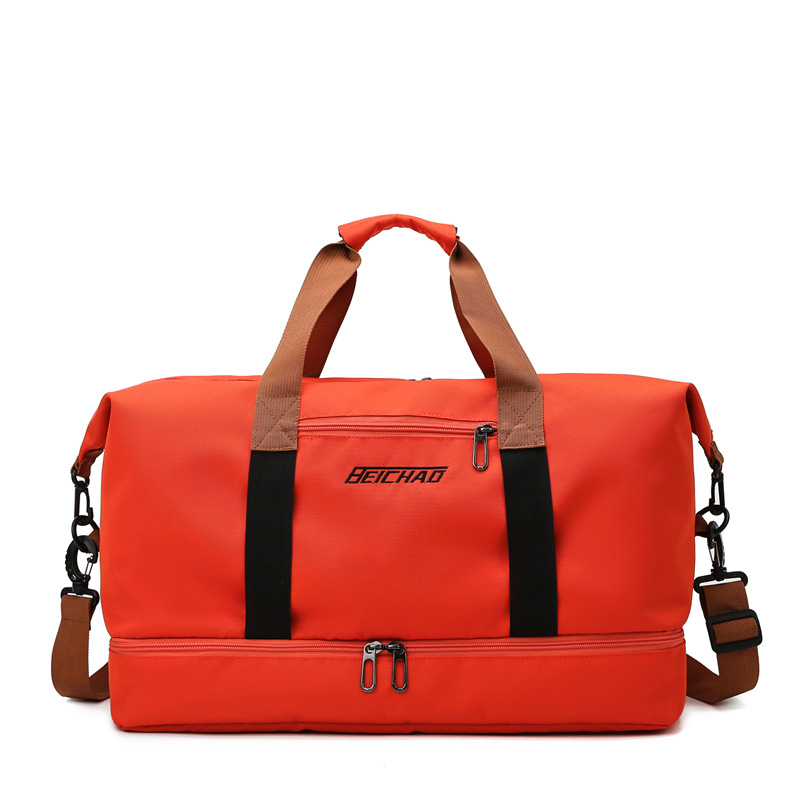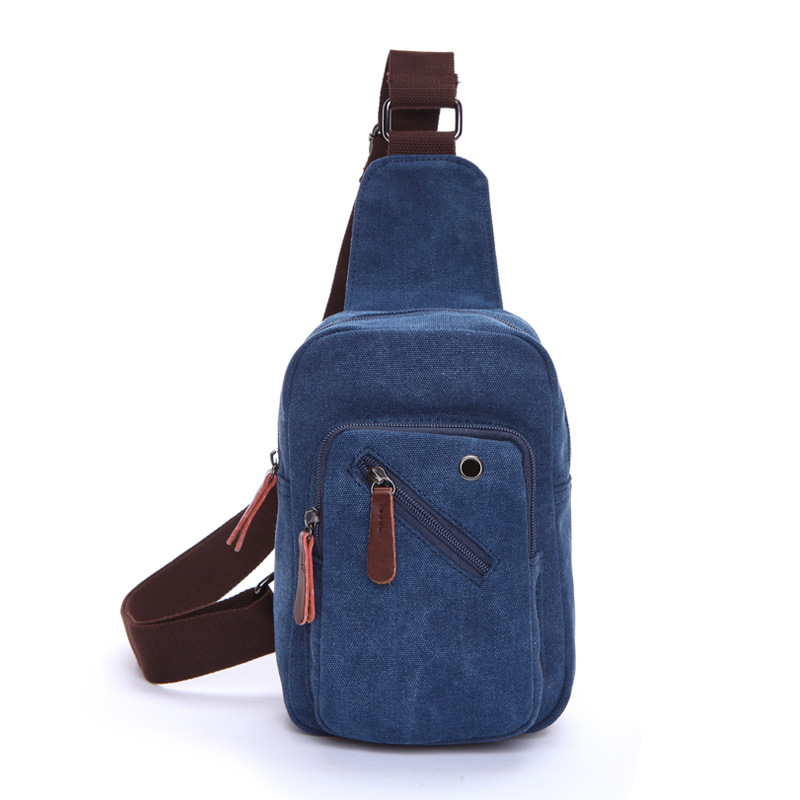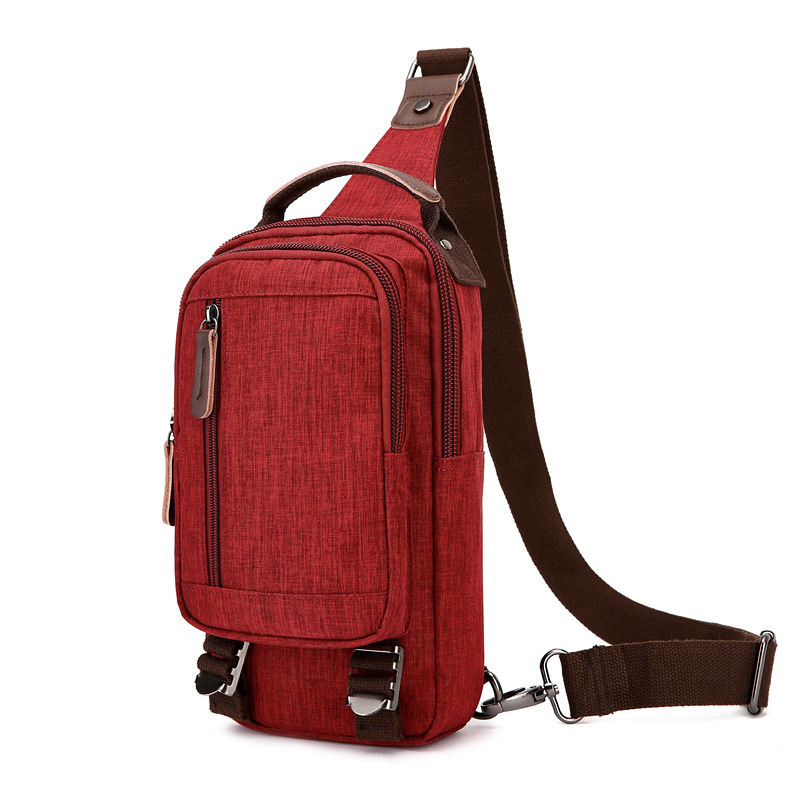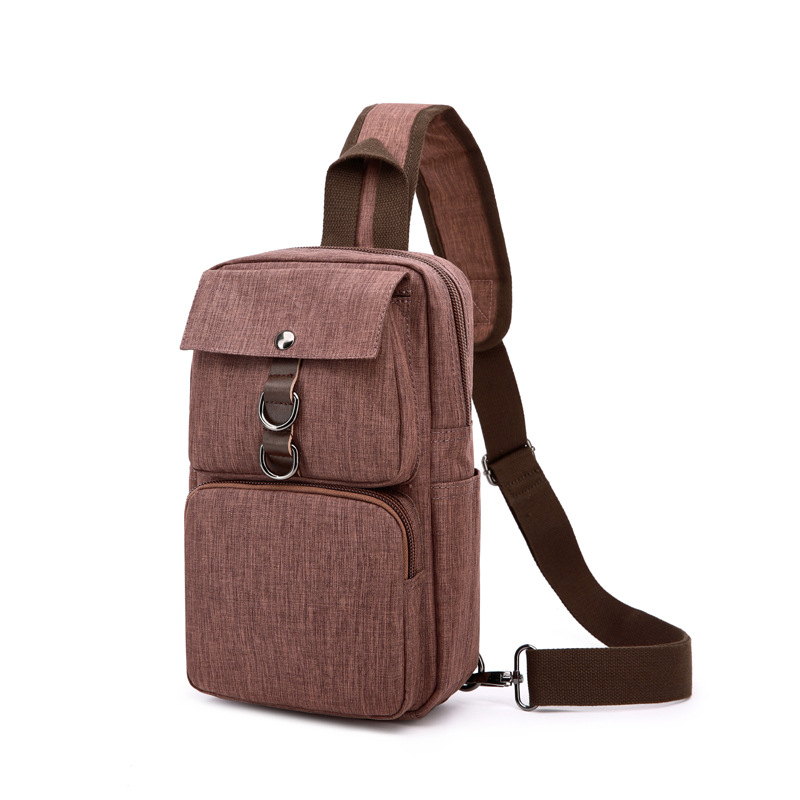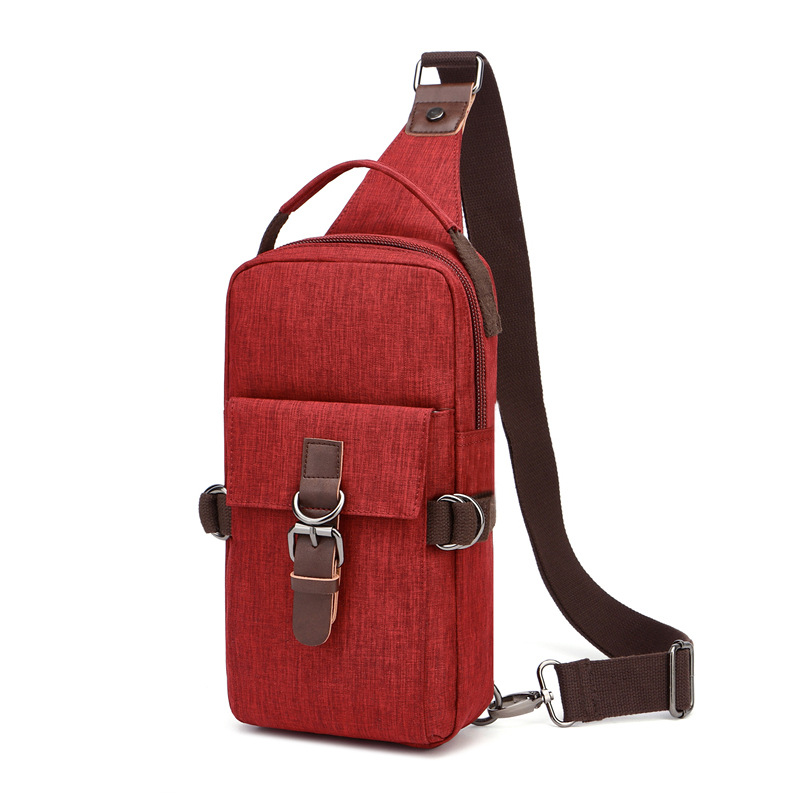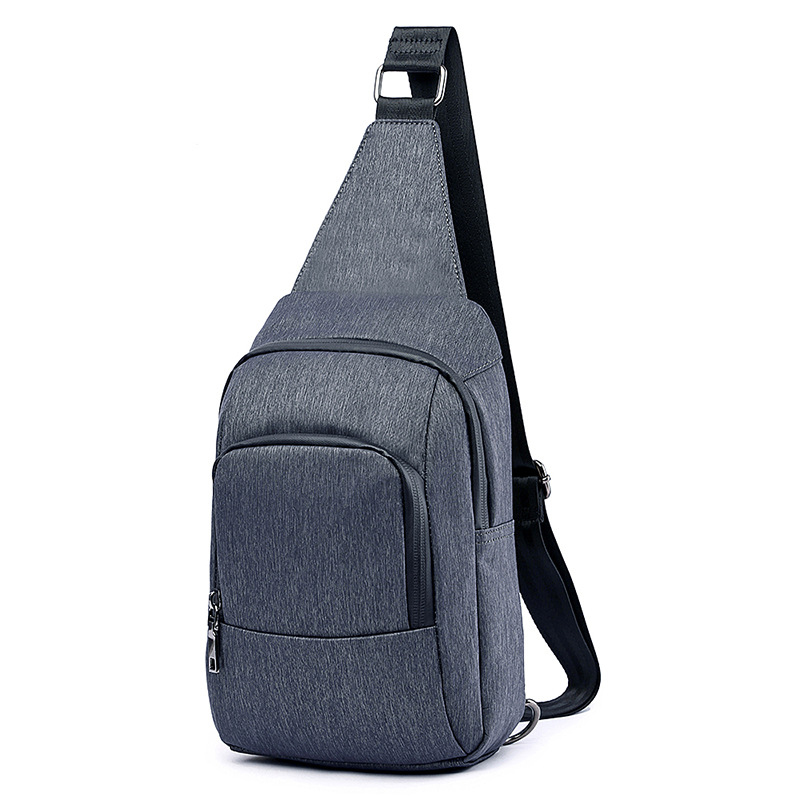
Sling Bag Buyers Care About More Than Style
A sling bag has become a practical default for commuters, travelers, and brands looking for a compact carry format that sits somewhere between a wallet-only pouch and a full backpack. The appeal is easy to understand: it keeps essentials close, moves with the body, and avoids the bulk that many users no longer want in daily carry. For sourcing teams and product planners, though, the real question is not whether the format is popular. It is how to choose the right construction, carry position, and feature set for the customer who will actually use it.
That decision matters because the category is broad. A crossbody bag designed for urban errands is not the same thing as a travel sling bag built for transit, security, and long wear. A shoulder bag may emphasize comfort and a cleaner silhouette, while a messenger bag often leans toward larger capacity and office utility. The differences sound subtle on a catalog page, but in production they affect strap geometry, hardware selection, lining choices, and the overall user experience.
What a Sling Bag Is Really For
At its best, the sling bag solves a simple problem: carrying enough without carrying too much. It usually fits a phone, wallet, keys, transit card, charger, earbuds, and a few flat extras. That makes it useful for commuting, sightseeing, light retail carry, and short business trips. An everyday sling bag also works well for consumers who want quick access without taking a full backpack off both shoulders.
In product terms, this category is driven by access and posture. The bag is worn across the body or on one shoulder, then rotated forward when the user needs to open it. That means the zipper placement, strap length range, and bag balance are not cosmetic details. If the bag shifts too much, it feels cheap. If the opening is awkward, the user stops reaching for it.
Key Construction Choices That Shape Performance
Strap and carry feel
The strap is the first point of failure in many sling bags, both mechanically and in user perception. Wider webbing usually improves comfort under load, while an adjustable buckle or slider allows the bag to fit different body types. For a men's sling bag or women's sling bag, fit is not really about gendered styling alone; it is about how the strap lands across the torso and whether the bag sits too high or swings too low.
Body material
Common material choices include polyester, nylon, canvas, and synthetic leather. Nylon tends to appeal in travel and outdoor-inspired designs because it is light and durable. Canvas gives a more casual, tactile look. Synthetic leather can create a cleaner retail presentation, though it may not suit every use case. The right choice depends on whether the buyer wants utility, fashion, or a compromise between the two.
Compartments and organization
A good sling bag does not need many pockets, but it does need the right ones. One secure main compartment, one quick-access front pocket, and one hidden or interior pocket often cover most use cases. Too many pockets can make the bag bulky and harder to sew cleanly. Too few, and the product feels underthought.
Choosing Between Sling, Crossbody, Shoulder, and Messenger Styles
These terms are often used loosely in retail, which causes confusion during sourcing. A crossbody bag usually suggests diagonal wear and a compact format. A shoulder bag may be carried more conventionally on one shoulder, sometimes with a softer silhouette. A messenger bag usually implies a larger flap-front design with more document-carrying intent.
For buyers, the useful question is not what the market calls the bag, but what behavior it needs to support. If the product must handle a water bottle, notebook, and tablet sleeve, a sling profile may be too small. If the goal is a lightweight daily carry item with fast access, the sling format often makes more sense than a messenger-style build.
Common Mistakes Buyers Still Make
One frequent mistake is prioritizing appearance over carry mechanics. A slim sample may look elegant, then fail once loaded with real contents. Another is ignoring strap hardware quality. Cheap adjusters can slip over time, which quickly turns into complaints about comfort.
Sizing is another trap. A bag can be technically large enough but still feel awkward if the opening is too shallow or the interior shape narrows near the top. Buyers should ask how the bag behaves when full, not just how it measures on paper.
Practical Buying Advice for Sourcing Teams
If you are selecting a sling bag line, start with the user scenario. Daily city carry, travel security, and lifestyle fashion each call for a different construction. Then review the bag as a system: strap, body, closure, pockets, and finish should all support the same use case.
For private label or retail development, it helps to sample more than one silhouette. A compact everyday sling bag may win on portability, while a larger travel sling bag may sell better in markets where consumers expect more storage. The right answer often depends on the channel as much as the product itself.
What to Ask Before You Place an Order
Before committing, buyers should confirm material specification, strap adjustability, pocket layout, and closure style. It is also worth checking whether the bag can be worn comfortably by different body sizes and whether the design still functions when loaded unevenly, which happens more often than product photos suggest.
If you are comparing a sling bag against a messenger bag or shoulder bag, ask which customer pain point matters most: speed, capacity, comfort, or appearance. That answer usually exposes the best choice quickly.
Next Step for Product Teams
The smartest way to source this category is to begin with the end user, not the trend board. Define how the bag will be worn, what it must hold, and how much structure the market expects. From there, the right sling bag design becomes much easier to specify, test, and buy with confidence.