Sling Bag Buying Guide: What Matters for Daily Carry, Travel, and Retail Planning
A sling bag has become one of those products that looks simple on the shelf but turns out to be surprisingly nuanced once buyers start comparing styles, fabrics, and user needs. For sourcing teams, retail planners, or brands building a small carry program, the real question is not whether the category sells; it is which version fits the user, the use case, and the margin target without creating avoidable returns.
That matters because sling bags sit between a backpack and a pocket-heavy messenger. They are compact, quick to access, and easy to wear on crowded commutes or short trips. But the same format can fail if the strap sits wrong, the main compartment is too shallow, or the material feels cheap in hand. If you are evaluating a crossbody sling bag, the choice is less about fashion language and more about carrying behavior.
What a Sling Bag Is Really For
The category is built around speed and proximity. A user wears the bag close to the body, usually across the chest or back, and expects one-hand access without removing it entirely. That makes the sling format useful for city commuting, sightseeing, festivals, short errands, and light travel. It also explains why the design differences between a men sling bag and a women sling bag are often more about styling, proportions, and color palette than about the basic function.
Buyers should treat the product as a utility item first. The selling story can be fashion-forward, but the bag still has to hold a phone, wallet, keys, charger, and perhaps a small bottle or notebook. If the pocket layout is awkward, the design may look good online and disappoint in use. That is a common return trigger in this category, and not a small one.
Quick Comparison of Common Sling Bag Types
Travel-focused designs
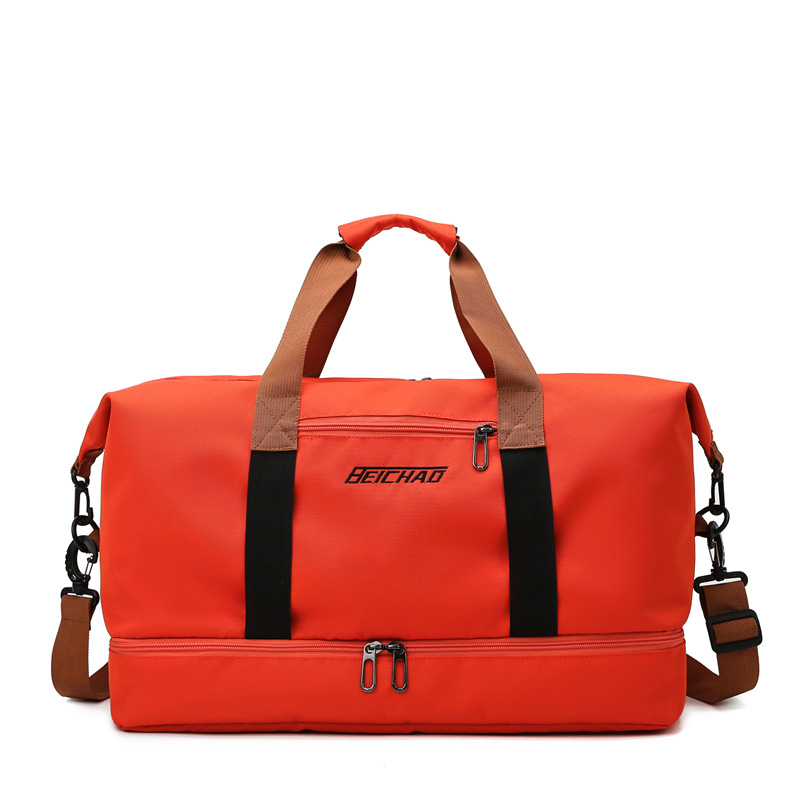
A travel sling bag usually needs slightly more structure, stronger zippers, and pockets that separate valuables from loose items. Travelers often want quick access at airports or on transit, so the opening mechanism and strap adjustability matter as much as capacity.
Security-oriented models
An anti theft sling bag typically emphasizes concealed pockets, rear-facing openings, lockable zipper pulls, or cut-resistant material claims. Those features can be useful, but sourcing teams should be careful not to oversell them. Real-world deterrence is different from absolute protection, and buyers should present the feature set honestly.
Material-led options
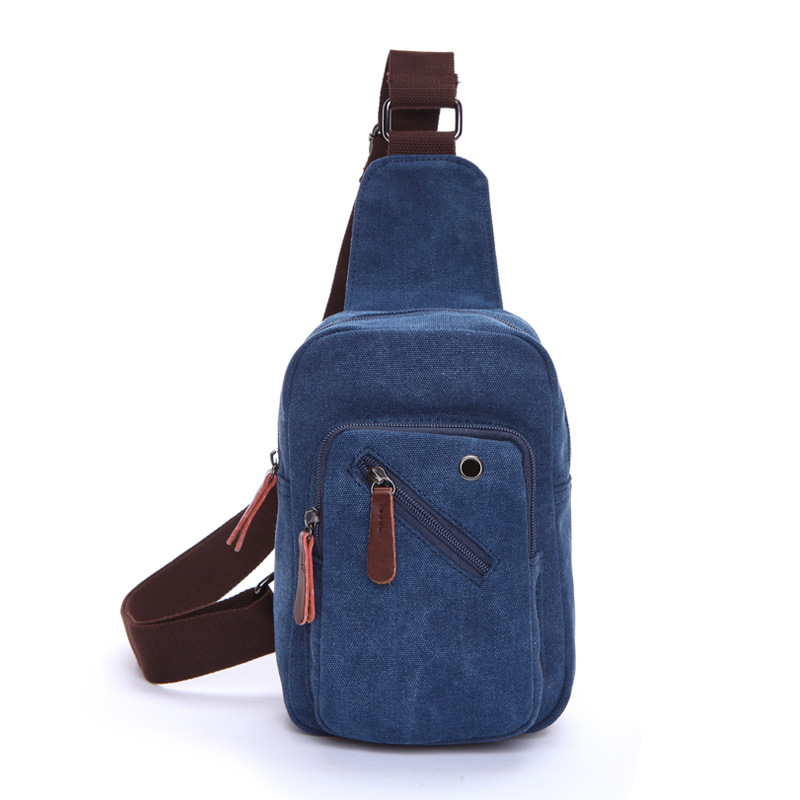
A leather sling bag usually appeals to customers looking for a cleaner, more premium look. It may suit office-casual use, but weight and surface maintenance become part of the ownership experience. A nylon sling bag, by contrast, tends to fit active or travel use better because it is often lighter, easier to clean, and more tolerant of daily wear. That tradeoff is familiar, but it still shapes product-market fit.
Selection Criteria That Actually Affect Sales and Satisfaction
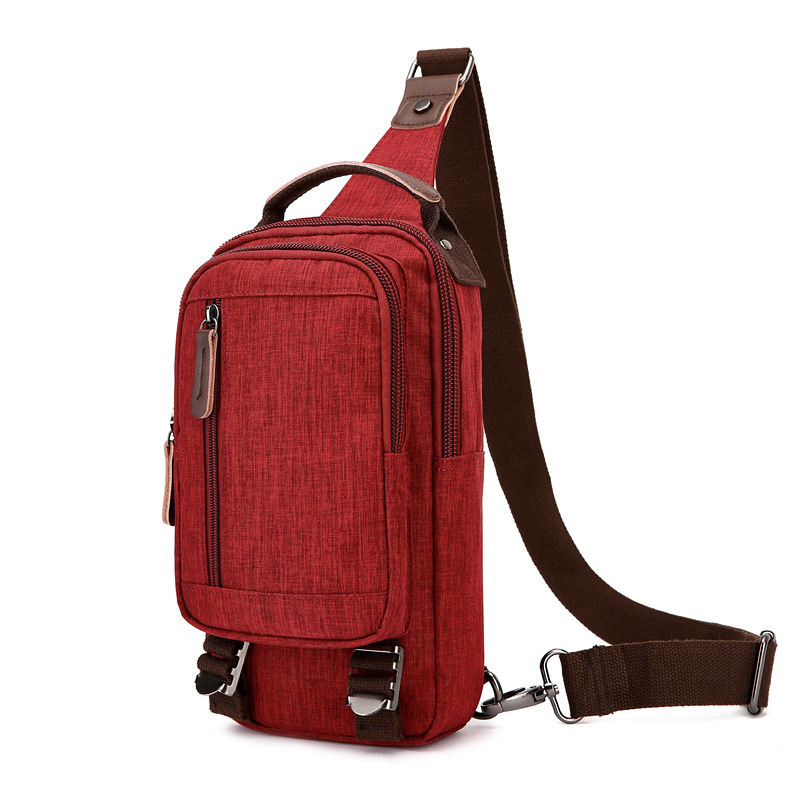
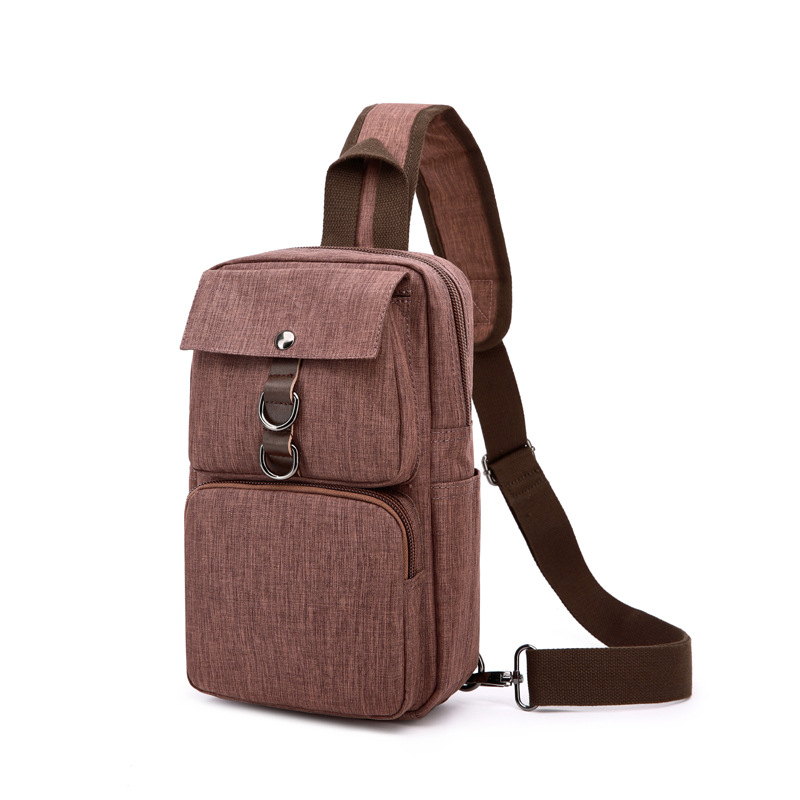
The first decision is size. Too small, and the bag becomes decorative. Too large, and it starts competing with a compact backpack. The second is strap comfort. A sling bag sits on one shoulder point, so webbing width, padding, and adjustability matter more than many first-time buyers expect. A third factor is organization: one main cavity can work for minimal users, but most retail customers prefer at least one secure internal pocket and one quick-access exterior pocket.
Hardware should not be treated as an afterthought. Zippers, buckles, and strap adjusters receive frequent use, especially in a travel sling bag. If these components feel flimsy, the entire product reads as low value, even when the body fabric is acceptable. Stitching reinforcement at stress points is another practical concern. It is not glamorous, but it is what keeps the bag in the market after a few weeks of use.
Common Buyer Mistakes
One mistake is shopping only by style image. A second is assuming all sling bags are interchangeable. They are not. A commuter buying a compact urban model will evaluate it differently from someone heading to a weekend market or a two-hour train ride. Another frequent error is underestimating the importance of body-side orientation. Some users prefer right-shoulder carry; others want the bag to swing to the front for access. If the strap design is not adaptable, that will narrow the customer base.
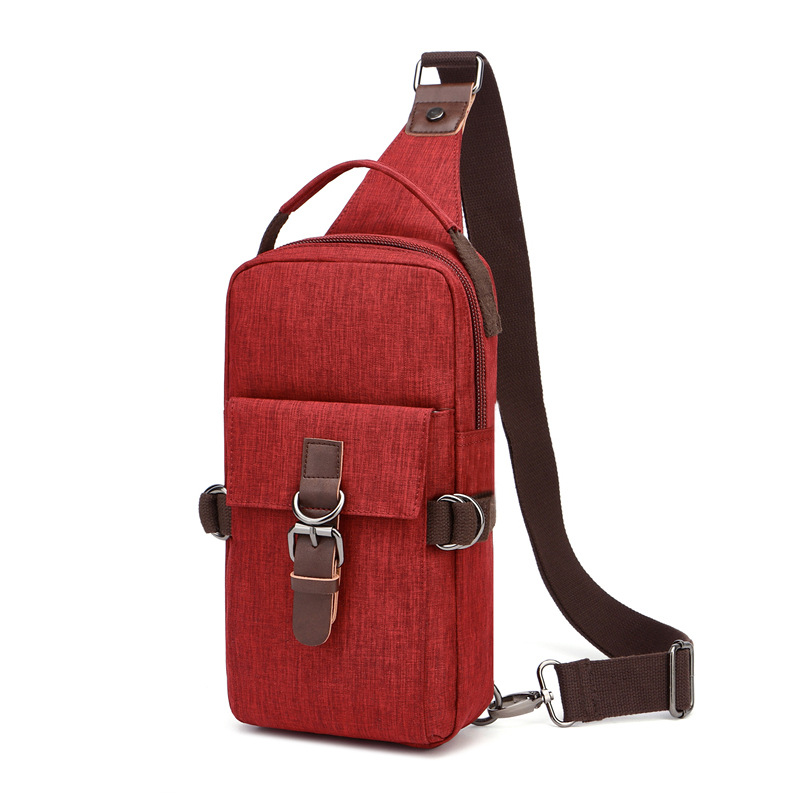
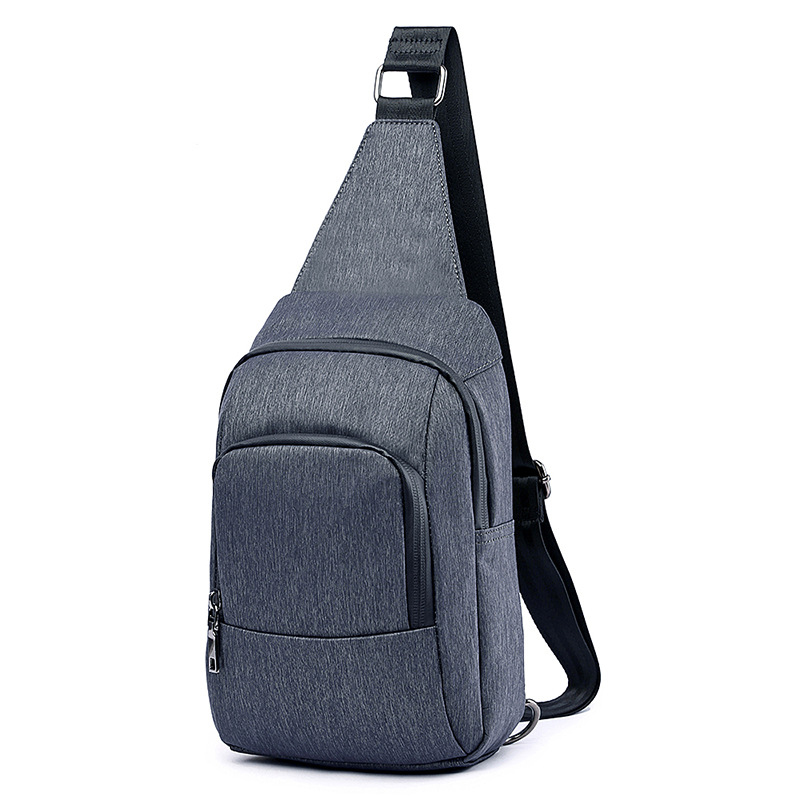
Retailers also sometimes blur the distinction between a fashion sling bag and a functional carry item. That can work in a lookbook, but product pages should be honest about what the bag can hold and how it is meant to be worn. Clear photos help more than lofty copy.
Practical Advice for Product Teams and Sourcing Managers
When comparing suppliers, ask for sample variations in fabric, strap width, zipper quality, and pocket layout rather than judging one prototype alone. Small design changes can shift the bag from weekend accessory to everyday carry. If your line includes both a women sling bag and a men sling bag, consider whether the difference is truly structural or mostly color and trim. Unnecessary duplication can eat SKU efficiency.
For ecommerce, the best-performing listings usually show the bag worn in context: walking, commuting, or carrying travel essentials. Shoppers need scale cues. A sling bag photographed alone on white background often looks bigger or smaller than it really is, which is how sizing complaints begin.
FAQ
Is a sling bag good for travel?
Yes, if it is sized for essentials and built with enough structure to keep items organized. It works best for light carry and frequent access, not for hauling bulky gear.
Which material is better, leather or nylon?
It depends on the intended use. Leather can look more premium, while nylon usually offers lighter weight and easier day-to-day handling.
Is an anti theft sling bag worth it?
It can be, especially for crowded environments. The key is to treat security features as deterrents and conveniences, not absolute guarantees.
What to Do Next
If you are sourcing or merchandising this category, start with the use case, then choose fabric, strap design, and pocket layout around that decision. A good sling bag is not the one with the most features. It is the one that feels natural after the third wear, because that is usually when the customer decides whether to keep it.