What Buyers Really Mean When They Ask for a Sling Bag
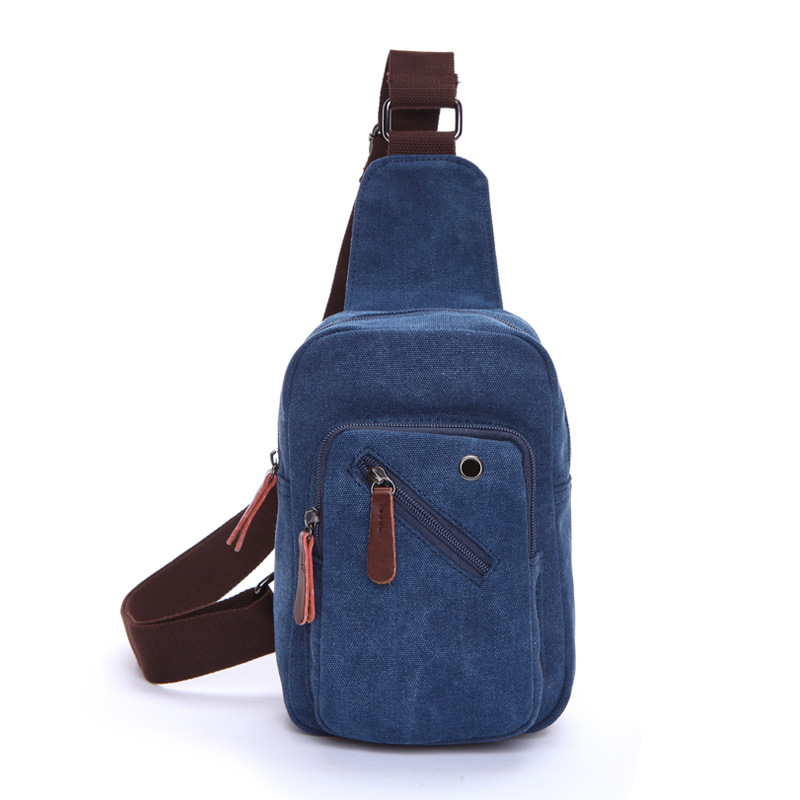
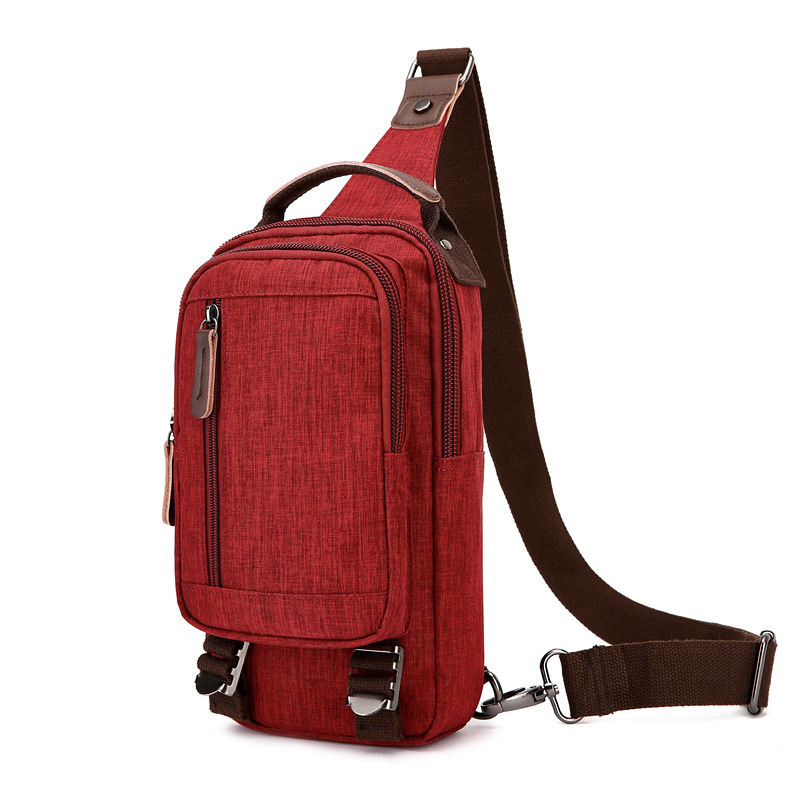
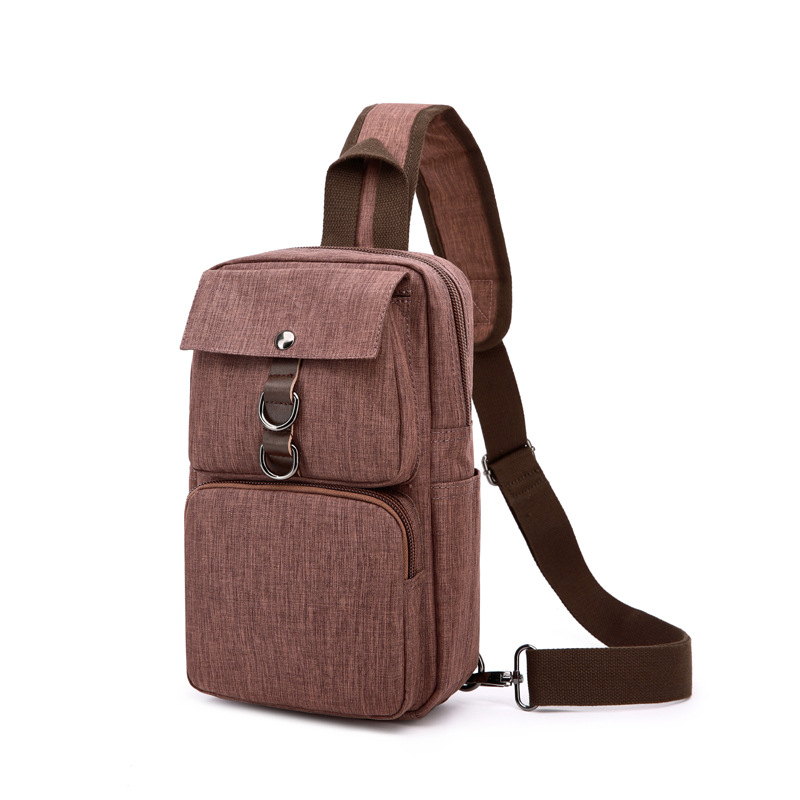
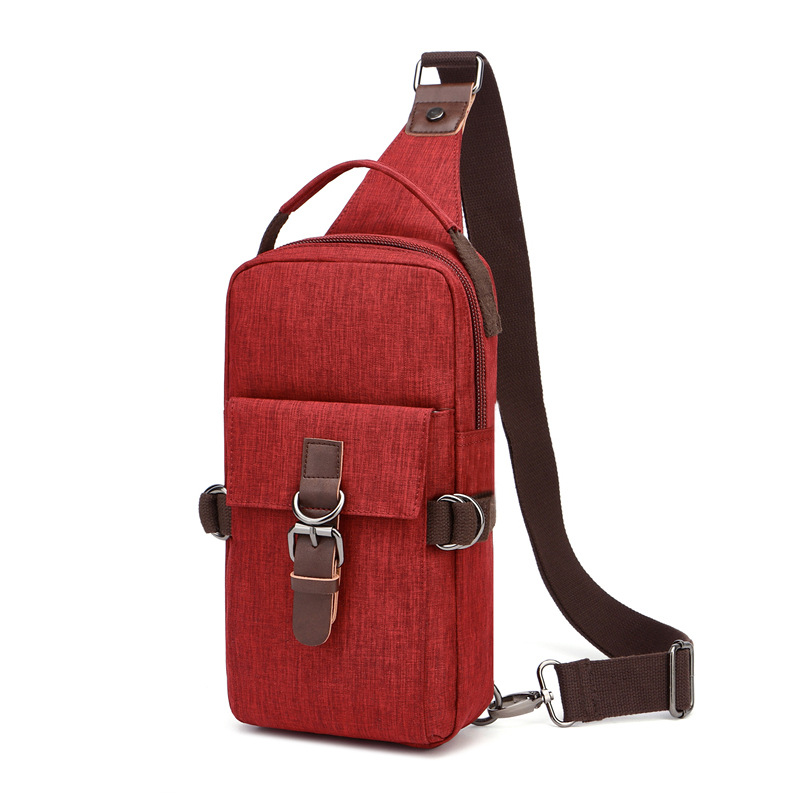
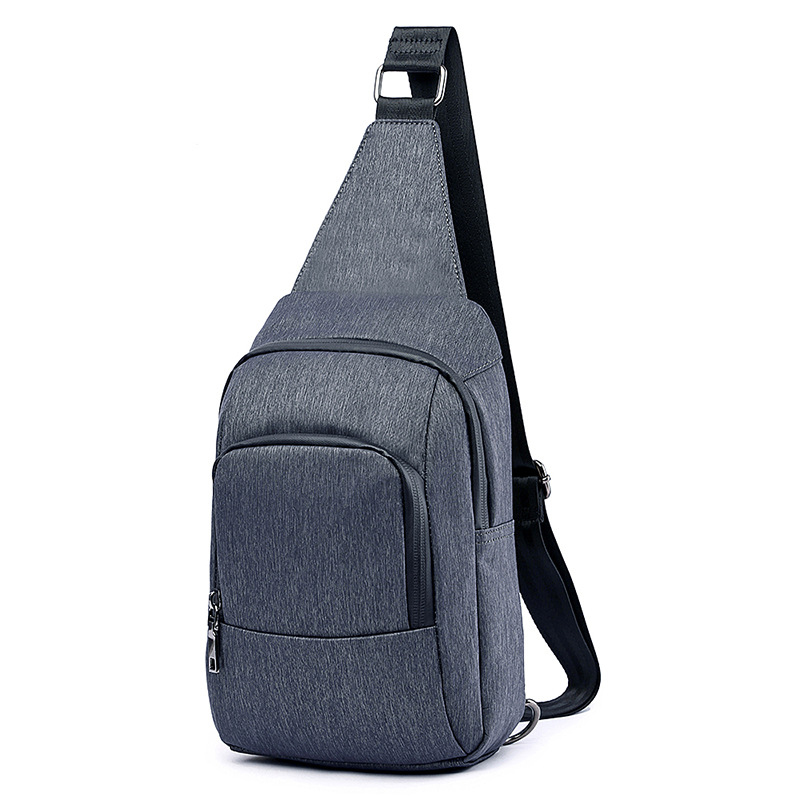
A sling bag is one of those products that looks simple until you start specifying it for a line, a retail program, or a private-label order. On paper, it is just a small carry bag worn across the body or over one shoulder. In practice, buyers are usually trying to solve a more specific problem: they want a compact bag that is easy to access, comfortable to wear, and versatile enough to move between commute, casual use, and short travel.
That is why the sling bag sits somewhere between a crossbody bag, a shoulder bag, and a messenger bag. The exact shape, strap placement, pocket layout, and capacity can change how the product feels in use. For sourcing teams and product planners, the decision is less about the name on the spec sheet and more about the use case: city carry, light travel, EDC, or lifestyle fashion.
Why This Category Keeps Growing
Consumers have been drifting toward smaller carry formats for years. People do not always want a full backpack for a wallet, phone, charger, keys, and a pair of sunglasses. The everyday bag category has shifted toward lighter, simpler products that are easier to grab and harder to overpack. That is where the sling format fits neatly.
The appeal is partly functional. A sling bag keeps essentials close to the torso and can be swung to the front for quick access. That matters for commuters, travelers, and anyone moving through crowded streets or transit. It is also a style category now, especially in urban markets, where an urban sling bag is expected to look clean, modern, and not overly technical.
There is another point buyers sometimes miss: the same silhouette can be marketed to different users without changing the core construction much. A unisex sling bag can be positioned as casual urban carry, while a men sling bag may lean more matte, structured, or minimal. A travel sling bag may need better internal organization and security features. The product family is flexible, but only if the design intent is clear from the start.
Quick Comparison: Sling Bag vs. Similar Formats
Crossbody bag
A crossbody bag usually emphasizes diagonal wear across the chest or back and can range from tiny fashion pieces to practical utility bags. A sling bag is often similar, but buyers tend to expect a slightly more sport or commuter-oriented feel, with faster access and a more body-hugging profile.
Shoulder bag
A shoulder bag normally hangs from one side and may not be intended for active movement. That makes it less stable for walking long distances or cycling. Sling designs often solve this by sitting closer to the body and staying put better during movement.
Messenger bag
A messenger bag usually carries more volume and a flatter rectangular form. It suits documents and laptops better. A sling bag is the smaller, lighter option when the user does not need that extra capacity.
Construction Details That Matter More Than Buyers Expect
The outer material is only one part of the story. A compact bag can feel premium or cheap depending on the strap, hardware, and stitch quality. In sourcing, these details often separate a reorder from a one-time trial.
Strap design deserves special attention. Width, padding, adjustability, and buckle style all affect comfort. For an everyday bag, a strap that slips or twists will become a customer complaint fast. If the bag is intended for travel, quick-release or easy-swing access may be useful, but the hardware must still feel secure. That balance is not always easy to hit, and a sample should be worn, not just looked at on a table.
Interior organization is another quiet differentiator. One main compartment may be enough for a minimalist product, but many buyers now expect at least a phone pocket, a zip pocket for cards or cash, and a secure place for keys. If the bag is meant as a travel sling bag, small details like anti-theft zippers or a rear pocket can improve usability. Not every market needs those features, but they are hard to add later without redesigning the panel layout.
How to Choose the Right Sling Bag for Your Market
Start with user behavior, not aesthetics. Ask how the bag will be carried, what it should hold, and where it will be used. A product for commuters may need slimmer proportions and cleaner access. A product for tourists may need more storage and stronger security. A men sling bag sold into urban retail may benefit from a restrained color palette and durable-looking trims. A lifestyle retail program may tolerate more texture, contrast, or visible branding.
Capacity is another decision point that is often underspecified. The term compact bag can cover a lot of ground, from a phone-and-wallet pouch to a model that can hold a small bottle or compact tablet. Buyers should define what must fit, not just what sounds marketable. Otherwise, the samples can look right and still fail in daily use.
Durability should be considered alongside weight. Heavier fabrics and hardware can feel reassuring, but they can also make the bag less comfortable than expected. For an urban sling bag, the product should feel light enough for everyday wear while still standing up to repeated opening, closing, and strap adjustment.
Common Mistakes in Sourcing and Development
One common mistake is treating the sling bag as a generic small bag. That usually leads to weak strap geometry, awkward pocket placement, or a shape that looks fine on a shelf but wears poorly. Another mistake is overbuilding it. If the product is loaded with hardware, thick layers, and too many compartments, it stops feeling like a sling and starts behaving like a cramped messenger bag.
Buyers also sometimes specify too many features for a price point that cannot support them. It is better to prioritize three or four real user benefits than to crowd the design with decorative extras. That is especially true in the everyday bag segment, where customers notice comfort and access before they notice stitching diagrams.
Practical Buyer Advice Before You Place an Order
Ask for fit feedback on-body, not just flat samples. A sling bag may look balanced on a desk and still sit awkwardly when worn across different body types. Request sample testing with the likely contents: phone, wallet, power bank, keys, and any category-specific item such as a transit pass or compact water bottle.
Also check how the bag opens. A poor zipper angle can make a small bag frustrating in daily use. If the design is meant to be used as a messenger bag alternative or a crossbody bag with fast access, the opening should support that behavior naturally. Small operational details often drive customer satisfaction more than fabric claims do.
FAQ
Is a sling bag suitable for daily commuting?
Yes, if the size, strap comfort, and pocket layout fit the commuter’s routine. For heavier carry, a backpack may still be better.
What makes a travel sling bag different?
Travel versions usually need better organization, easier access, and stronger security-minded features. They should also stay comfortable for longer wear.
Can one design work for both men and women?
Often yes. A unisex sling bag can work well when the proportions are balanced and the styling stays neutral enough for broad retail appeal.
A Simple Next Step for Buyers
If you are developing or sourcing a sling bag, define the use case first, then set the capacity, strap, and pocket requirements around that use case. The best programs are usually the ones with fewer assumptions and clearer priorities. A well-executed sling can be a strong everyday bag, but only if the design matches how people actually carry things in real life.