Why a messenger bag still earns a place in everyday carry
A messenger bag looks simple until you actually use one for commuting, office runs, or travel. Then the details matter: the flap, the shoulder strap, the pocket layout, and whether the bag opens quickly without dumping everything onto a train platform. For engineers, sourcing teams, and product groups evaluating soft goods, the messenger format is a useful case study in how cut-and-sewn construction supports real daily use.
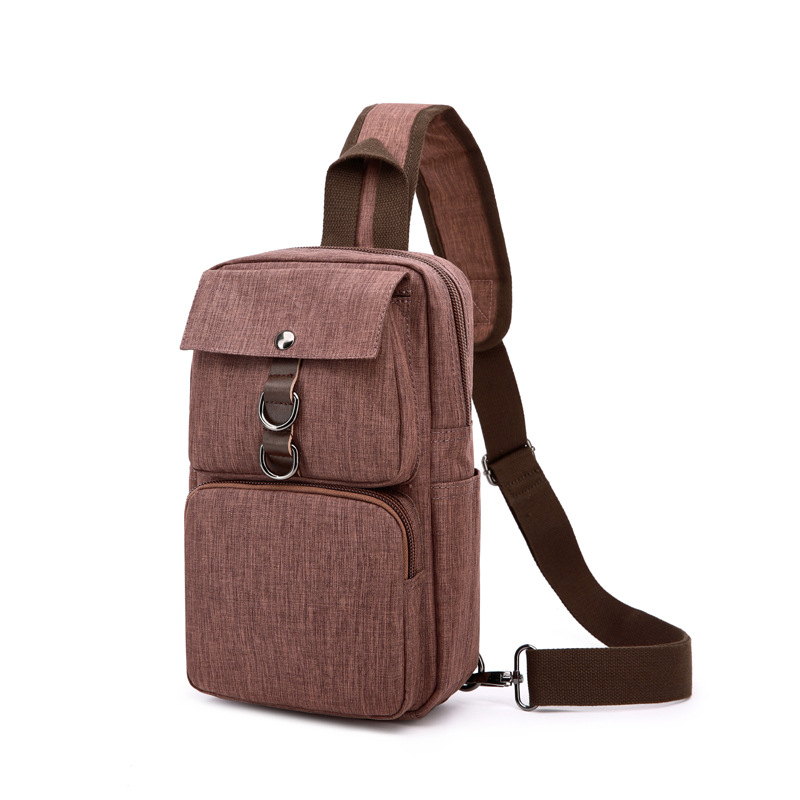
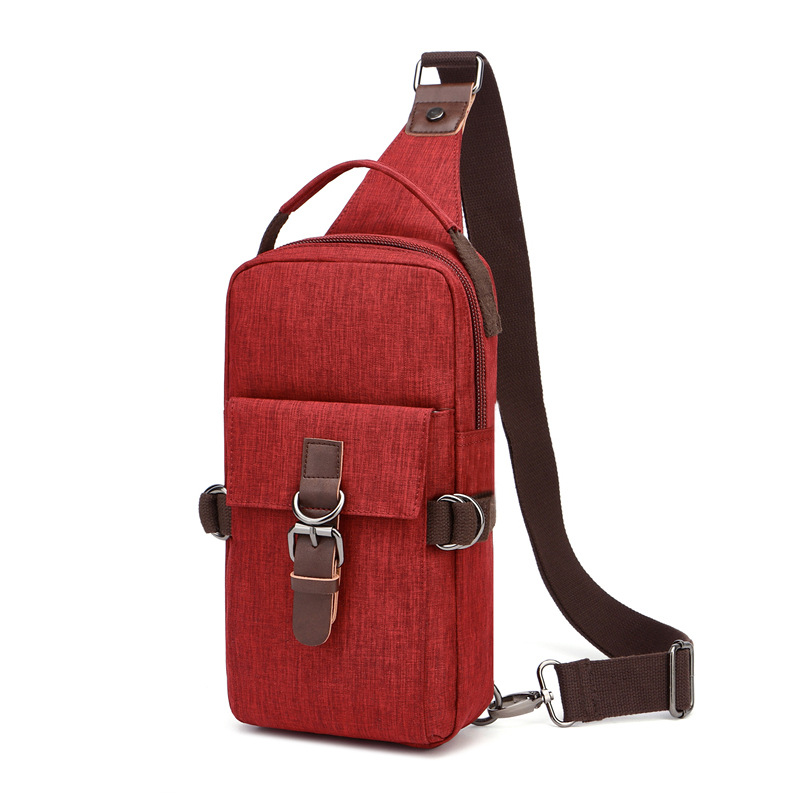
The model described here appears to be a compact, boxy shoulder bag with a flap-front design, a top zipper beneath the flap, and a side zip pocket. That combination tells you a lot about the intended use. It is not trying to be a heavy expedition pack or a formal briefcase. It is built for documents, tablets, phones, wallets, chargers, and other small essentials that need quick access and a bit of protection.
What the visible construction suggests
From the product information, the bag appears to use a woven textile or canvas-like exterior with brown binding and a matte finish. The body is rectangular with soft sides, which is typical for a soft-sided shoulder messenger bag. That matters because the structure depends less on a rigid shell and more on the cut pattern, the seam placement, and the reinforcement around the edges.
The visible zipper pulls, bound perimeter, and front flap suggest a standard sewn assembly process: panels cut from textile, zipper installation at the main opening, strap attachment points reinforced, and edge binding stitched around stress-prone zones. Nothing here looks exotic, but that is part of the appeal. In everyday carry products, reliable sewing often matters more than a flashy material claim.
Quick comparison: which messenger style fits the use case?
Buyers usually compare a messenger bag against a laptop messenger bag, a canvas messenger bag, a leather messenger bag, or a waterproof messenger bag. Each version solves a slightly different problem.
A laptop messenger bag usually emphasizes padded compartments and device protection. A canvas messenger bag tends to feel lighter and more casual. A leather messenger bag leans toward office presentation, though it can be heavier and less forgiving in wet weather. A waterproof messenger bag is the better choice when weather exposure is a real concern, but buyers should check what “waterproof” actually means in the spec sheet. Too often it is really water-resistant fabric with limited seam protection.
This pictured style sits closer to the casual end of the range. It looks like a practical commuter bag rather than a premium executive product. That is not a weakness. It simply sets the expectation correctly.
Selection criteria that matter to sourcing and product teams
1. Access and organization
The flap-over front with a top zipper beneath it gives the user two layers of access. The side pocket is also useful for items that need to be grabbed quickly. If a bag is intended for commuting, that outer access can be more valuable than a heavily segmented interior.
2. Strap comfort and load behavior
The long shoulder strap visible here suggests crossbody or shoulder carry. For daily use, strap width, webbing quality, and attachment reinforcement are not small details. A bag that looks fine on the shelf can feel poor once loaded with a tablet, notebook, and accessories.
3. Edge reinforcement and seam durability
Bound edges and reinforced piping are worth noting. They help the bag hold shape and may reduce wear on corners, which are usually the first areas to fray. For soft goods buyers, these are the kinds of features that affect service life more than surface aesthetics.
4. Material choice
The bag appears canvas-like, but the exact fiber content is not visible. That uncertainty should not be glossed over. A buyer should ask for material specs, abrasion expectations, colorfastness, and lining details before making assumptions about durability.
Common buying mistakes
One common mistake is assuming a messenger bag will fit a specific laptop size just because it looks “medium.” It may fit a tablet or slim device comfortably, but exact dimensions are not provided here and should be verified. Another mistake is overestimating weather protection. Unless the product is explicitly tested and specified, a woven textile bag should be treated as light-use carry, not storm gear.
A third mistake is ignoring closure logic. Some buyers only look for the front flap and miss the fact that the actual security closure may be the top zipper underneath. That can be useful, but only if it aligns with the user’s access and protection needs.
Practical advice for product teams and procurement
If you are sourcing a messenger bag for commuter, school, or office use, ask for a sample and examine three things first: the strap attachment, the zipper stitching, and the corner binding. These are the first places where cost-cutting tends to show up.
Also, define the use case narrowly. A casual messenger bag for documents and small electronics does not need the same build spec as a professional laptop carrier. That distinction helps avoid paying for features that users will never notice.
FAQ
Is this more of a laptop bag or a casual everyday bag?
Based on the visible structure, it looks more like a casual messenger bag or commuter satchel. It may carry a tablet or slim laptop, but that should be confirmed with actual measurements.
Does the bag appear waterproof?
There is no verifiable proof of waterproofing in the provided data. It appears to be a woven textile bag, so treat it as unverified for weather resistance unless testing or material specifications are supplied.
What should buyers request before ordering at scale?
Request material composition, size specs, strap construction details, lining information, and closure details under the flap. If the bag is for branded retail, ask for logo application options and color consistency guidance as well.
What this product type is good for next
For everyday carry, this messenger format is attractive because it balances access, modest structure, and simple sewn construction. It is the kind of product that can serve office commuters, students, and travel users without becoming overbuilt. If you are evaluating similar bags, compare construction details closely instead of relying on the silhouette alone.
The next step is straightforward: define the load, the carry environment, and the expected service life, then match those needs to the bag’s materials and stitching details. That is the difference between a bag that looks right in a catalog and one that survives real use.