What a messenger bag is really for
A messenger bag sits in a useful middle ground that a lot of buyers still need but rarely define clearly. It is not a briefcase, not a backpack, and not just a fashion accessory. For engineers, sourcing teams, and product planners, the real question is whether a messenger bag gives the right balance of access, carrying comfort, and everyday durability for documents, tablets, or a slim laptop. That is where the messenger bag keeps showing up in office, school, and commuter use.
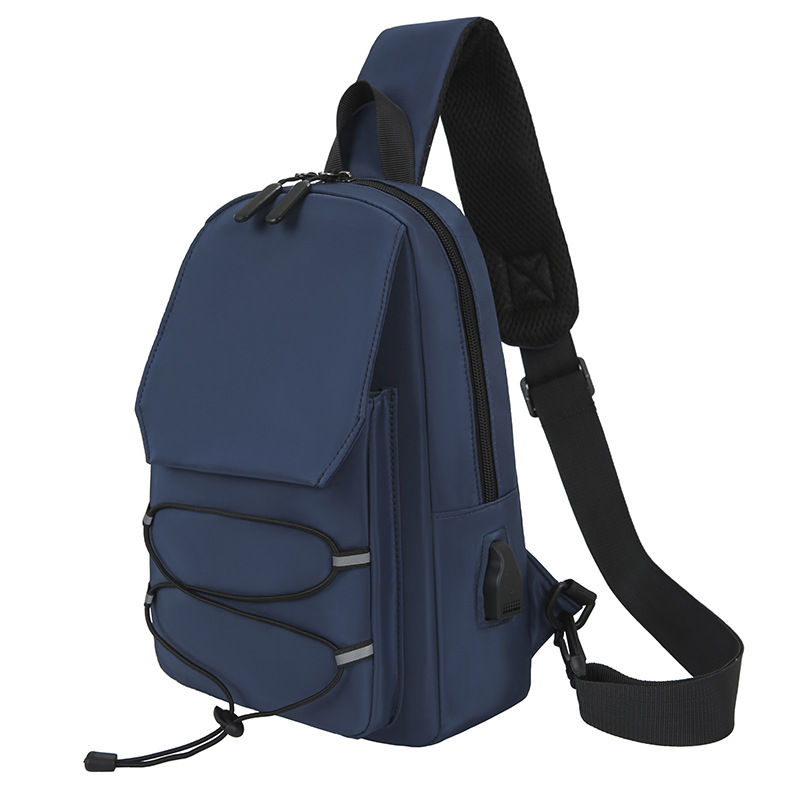
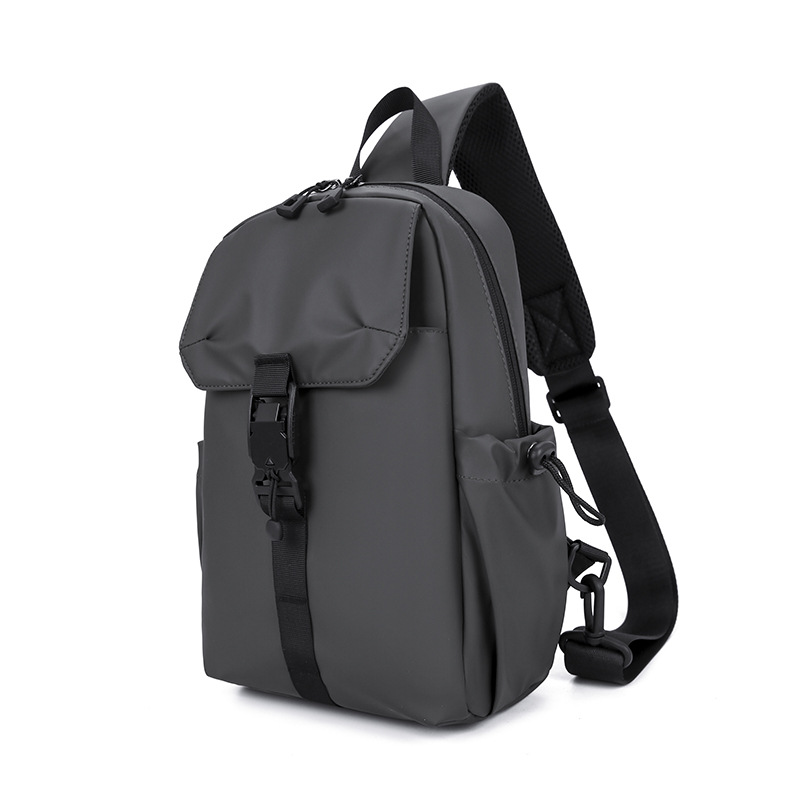
The category is broad, but the visible design language is consistent: a rectangular soft-sided body, a flap-top closure, and an adjustable crossbody strap. In practice, that makes it easier to carry flat items and pull them out quickly. It also keeps the bag close to the body, which matters more than people admit when they are moving through stations, campuses, loading bays, or client sites.
How the construction shapes performance
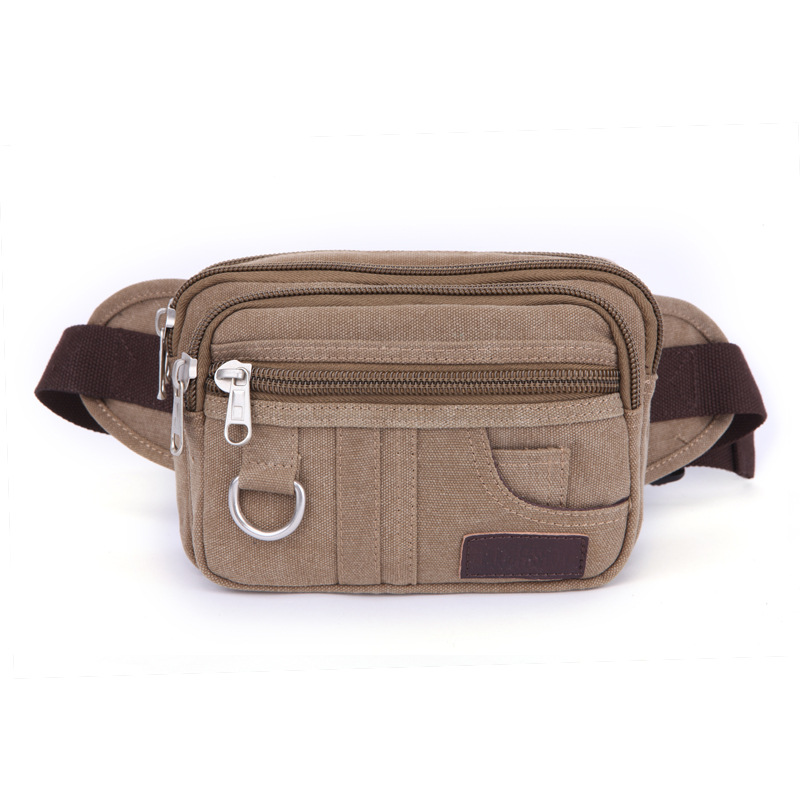
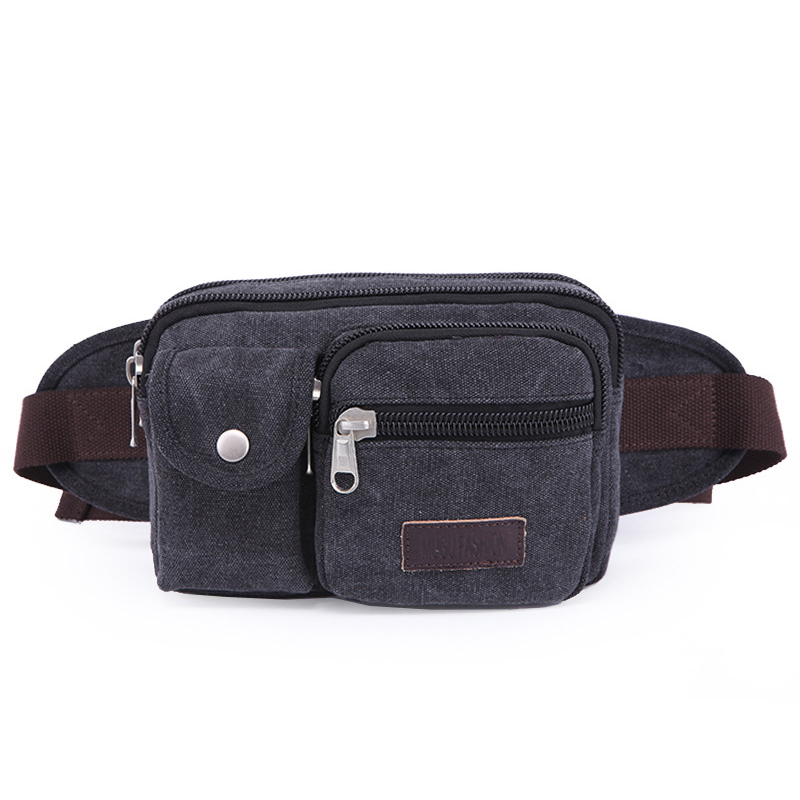
From a manufacturing point of view, a messenger bag is a sewn textile product first and a storage product second. The examples described here point to cut-and-sew assembly with stitched seams, attached webbing, and hardware at the strap adjuster. That is typical of this category, and it is also where quality differences show up fastest.
The outer shell may be canvas-like, denim-like, or another woven fabric with a matte finish. That matters because woven fabrics give the bag its casual structure and visual texture, but they also affect abrasion resistance, stain visibility, and stiffness. A leather messenger bag usually reads more formal and can age differently, while a canvas messenger bag tends to feel lighter and more relaxed. Neither is automatically better; the job you need the bag to do should decide.
A flap-over top gives the bag its classic look and helps protect the opening from dust and light rain, although buyers should be careful here: a flap is not the same thing as a sealed or waterproof closure. If the bag is meant for commuting in wet weather, a waterproof messenger bag needs more than a durable-looking exterior. You would want to know about the fabric treatment, lining, and how the seams are finished, and those details are not always obvious from a product image.
Where messenger bags fit best
The strongest use case is daily carry. Office papers, notebooks, charging cables, a tablet, and slim electronics all suit the messenger format because the compartment is wide and flat. A laptop messenger bag goes one step further, but buyers should not assume compatibility from the shape alone. Internal dimensions, padding, and suspension matter, and those are not visible in every listing.
For a business messenger bag, the appeal is straightforward: it looks less sporty than a backpack and more relaxed than a rigid briefcase. That makes it easier to carry in mixed settings, from informal meetings to client visits. A casual messenger bag, by contrast, may lean into canvas texture, darker webbing, and visible stitching, which gives it a more everyday or vintage messenger bag feel.
Key buying questions that are worth asking
Before selecting a style or placing an order, buyers usually need to settle a few practical points:
Does the bag need to hold documents flat, or can items flex?
Is the shoulder strap adjustable enough for crossbody wear across different users?
Will the flap closure be secure enough for transit, or does the bag need a hidden zipper or additional fastener under the flap?
Is the body soft-sided for lightweight carry, or should it have more structure to prevent sagging?
Are decorative trim tabs and logo patches just styling, or are they reinforcing stress points?
These sound basic, but they often determine whether a bag gets used every day or stays in the closet.
Common mistakes buyers make
The biggest mistake is treating all messenger bags as interchangeable. A compact medium-sized bag with a flap-top design may look ideal for commuting, but if the buyer needs a padded laptop compartment, the wrong internal build will disappoint fast. Another common issue is overvaluing the exterior material description and ignoring hardware quality. A decent woven shell can still fail early if strap adjusters, stitching density, or corner reinforcement are weak.
There is also the question of wear pattern. Messenger bags are carried diagonally and often opened one-handed. That means the strap anchor points, flap edge, and bottom corners take repeated stress. If those areas are only lightly reinforced, the bag may still look fine in a product photo and fail after real use. Small warning, but an important one.
Practical advice for sourcing and product review
When reviewing a messenger bag for sourcing or private label development, start with the basics that can be verified: strap adjustability, flap design, seam placement, visible reinforcement, and the overall geometry of the body. Then move to the questions that cannot be guessed from a photo: fabric composition, lining, internal organization, padding, closure mechanism under the flap, and whether any trim is genuine leather or a leatherette substitute.
If the intended user is a commuter or student, a canvas messenger bag may offer the right balance of weight and everyday style. If the target user is in a client-facing role, a leather messenger bag or a cleaner business messenger bag aesthetic may fit better. If the user moves between buses, terminals, and light weather, then a waterproof messenger bag specification becomes more than a nice-to-have.
What this category helps the buyer decide
A messenger bag forces a simple product decision: do you want a quick-access shoulder carry solution that looks organized without being rigid? If yes, then the category is worth serious attention. It works best when the buyer values flat-item storage, crossbody convenience, and a softer profile that does not read too technical.
For teams comparing formats, the real job is not picking the “best” messenger bag in the abstract. It is matching construction, material, and strap design to the way the bag will actually be carried.
FAQ
Is a messenger bag good for business use?
Yes, especially when the design is restrained and the size suits documents or a slim device load. It is often more relaxed than a briefcase but still acceptable in many office settings.
Can a messenger bag hold a laptop?
Sometimes. A laptop messenger bag should be checked for internal size, padding, and compartment layout. The outer shape alone is not enough.
Is canvas or leather better?
It depends on use. Canvas usually feels more casual and lighter. Leather tends to look more formal. A buyer should choose based on setting, durability expectations, and care requirements.
Next step
If you are evaluating messenger bags for a product line or a sourcing brief, start by locking down the use case first: commuter, business, school, or travel. Then compare the shell material, strap hardware, flap construction, and any hidden features that affect daily use. That sequence saves time and avoids spec sheets that look complete but miss the detail that actually matters on the floor or in the field.