Why the messenger bag still matters in a work bag market full of options
A messenger bag is one of those products that refuses to disappear, even as backpacks, briefcases, and hybrid carry solutions keep evolving. For sourcing teams, product developers, and retailers, that matters. The category sits in a useful middle ground: more accessible than a rigid briefcase, often more professional than a casual tote, and usually easier to access on the move than a traditional backpack. The real question is not whether the messenger bag has a place. It is which construction, material, and feature set best fits the intended user.
That decision affects more than appearance. It influences comfort, load stability, product life, and even perceived value at retail. A poorly designed shoulder bag can look right on a spec sheet and still disappoint in daily use if the strap digs in, the flap catches, or the interior collapses under a laptop and charger. Buyers who understand the trade-offs tend to avoid returns, complaints, and thin margins.
What defines a messenger bag in practical terms
At its core, a messenger bag is a cross-body carry bag with a long strap and easy-access main compartment. The style was shaped by utility: quick opening, rapid reach, and enough room for documents or devices without the bulk of a full backpack. In today’s market, the category usually overlaps with the shoulder bag segment, but the messenger profile is more structured around one-strap carry and front-facing access.
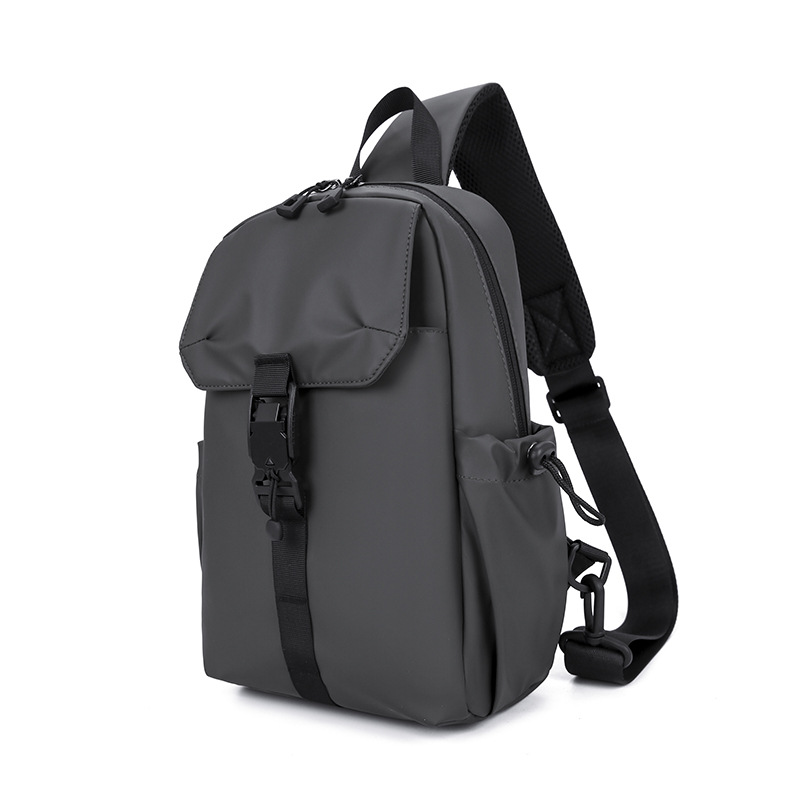
That access is the point. A worker who is moving through transit stations, campuses, or client sites often wants to open the bag without removing it completely. This is why flap closures, buckle details, magnetic snaps, and zip-top hybrids show up so often. Each closure choice shifts the balance between convenience and security.
Common material choices and what they signal to buyers
Canvas messenger bag
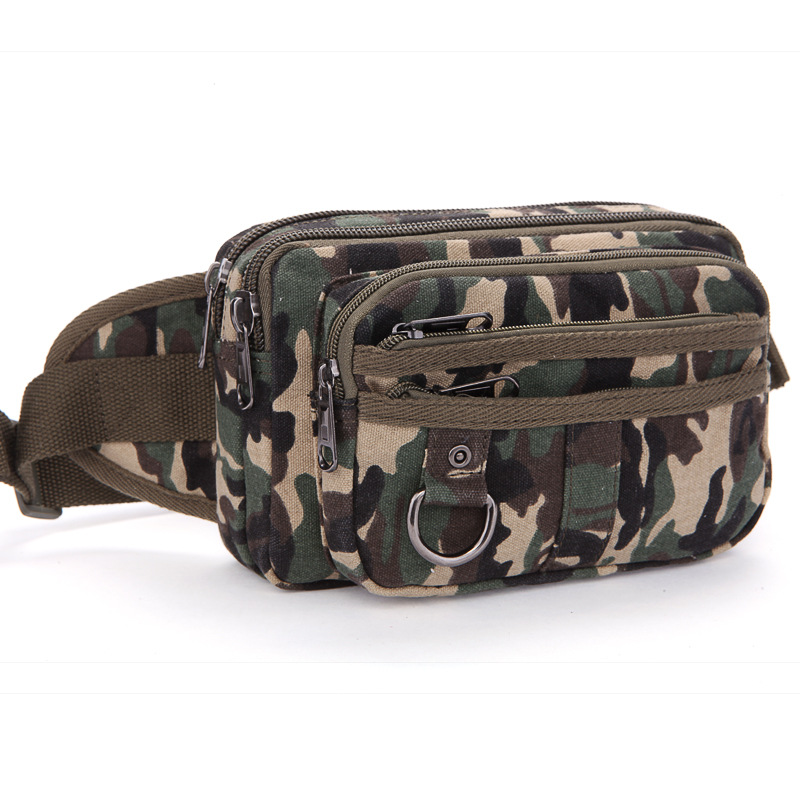
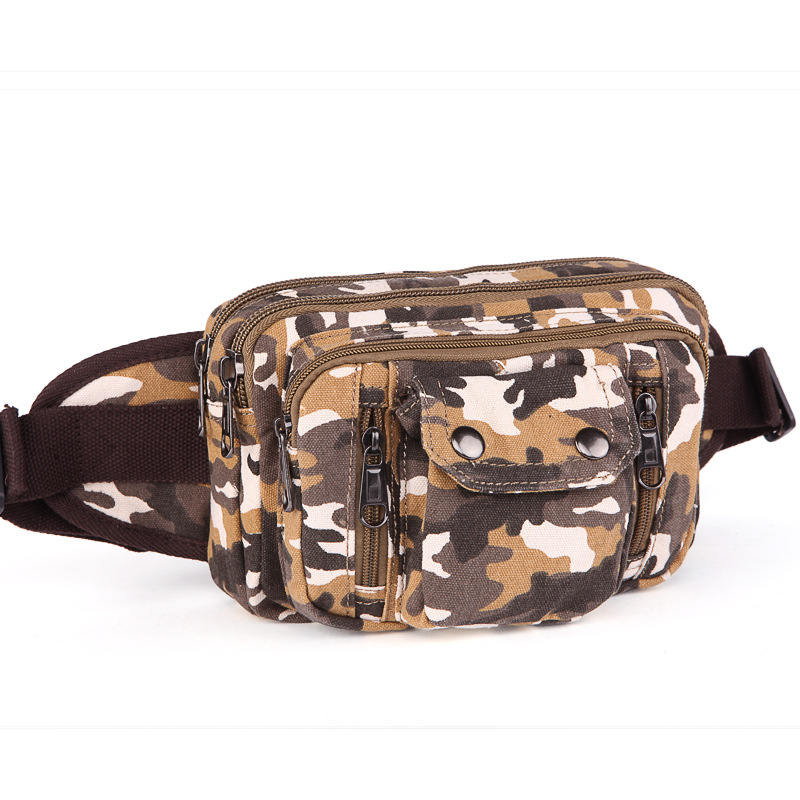
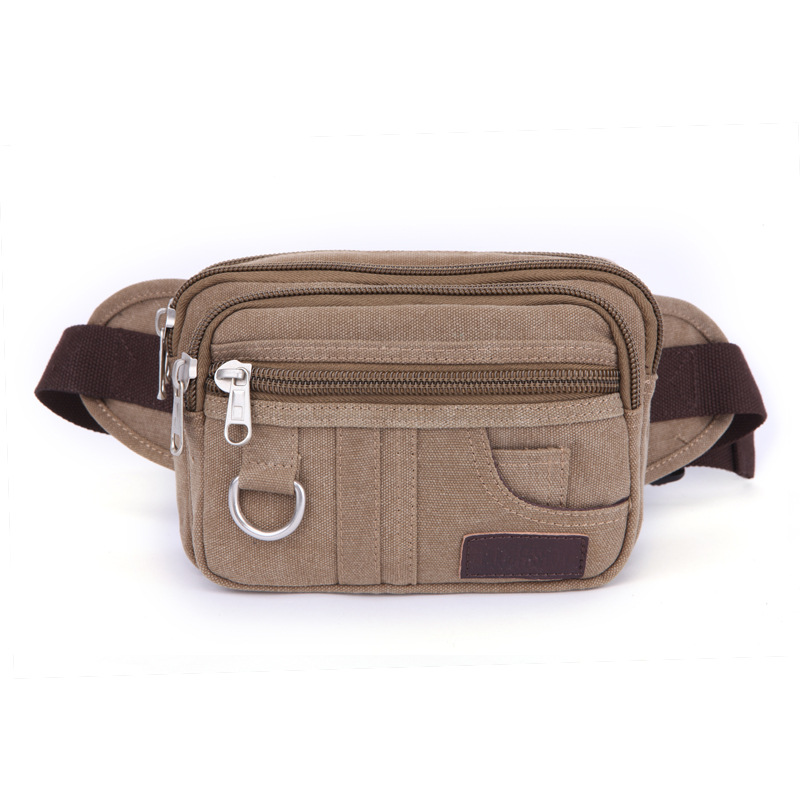
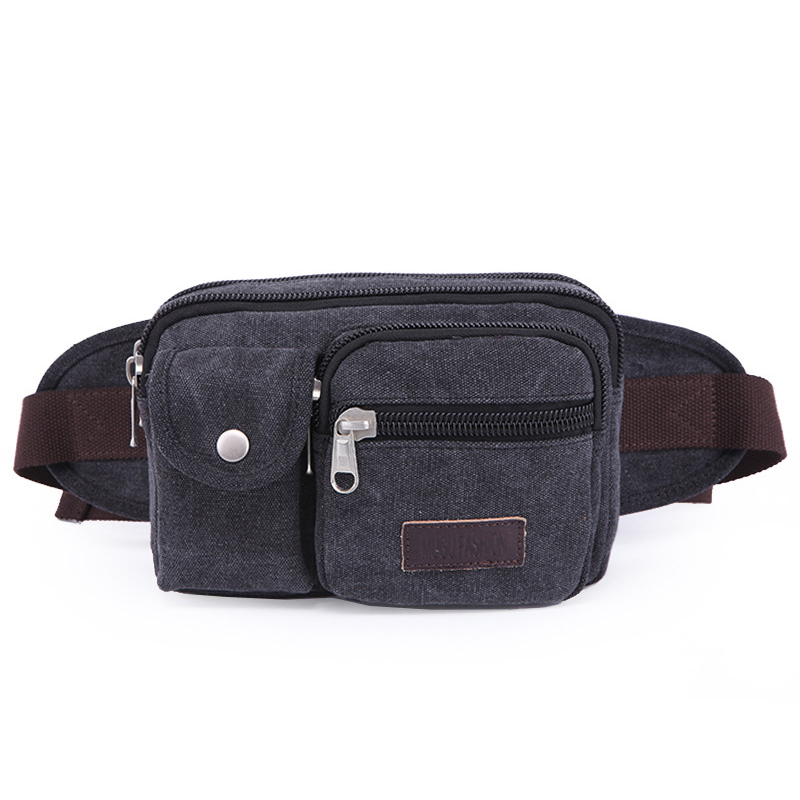
A canvas messenger bag usually signals durability, casual versatility, and a more relaxed price position. Canvas is often chosen when the target customer wants a utility look rather than a polished executive feel. It can handle prints, patches, and seasonal color variation well. The trade-off is that canvas may need reinforcement in stress zones, especially around strap anchors and the bottom panel.
Leather messenger bag
A leather messenger bag tends to sit at the more premium end of the category. It is often selected for business settings where appearance matters as much as function. Leather can age well if properly finished and maintained, but it also brings weight, cost, and a higher expectation from the customer. Buyers should pay close attention to hardware quality and stitching consistency here, because visual flaws are harder to hide on a leather surface.
Technical fabrics and mixed constructions
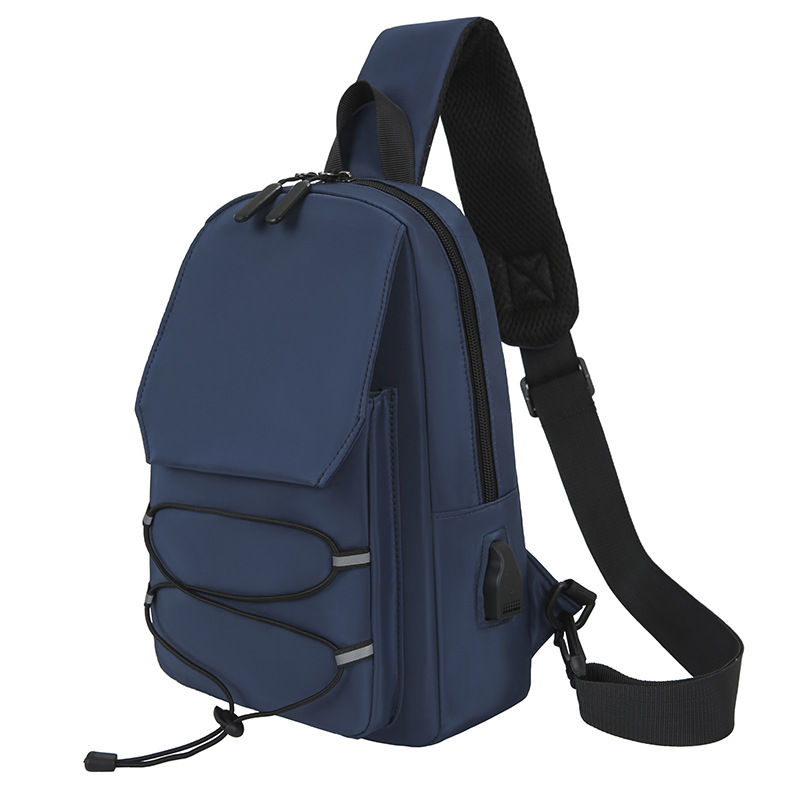
Many modern versions use synthetic fabrics, water-resistant coatings, or mixed materials to reduce weight and improve practicality. These builds are especially relevant for a laptop messenger bag, where a padded compartment, cable storage, and structured sidewalls can make the product feel far more deliberate. The best versions do not just add pockets for the sake of it; they organize load and preserve shape.
Selection criteria that matter more than style photos
When evaluating a messenger bag for business use, start with capacity and carry comfort. If the bag is intended for a laptop, check the internal layout first. A padded sleeve is useful, but only if the dimensions match the devices your customers actually carry. A bag that is technically large enough but awkwardly shaped can be a poor daily companion.
Strap design deserves equal attention. Wide webbing, adjustable length, reinforced swivel hardware, and a shoulder pad can make the difference between a bag that is carried and a bag that is abandoned. The style may be compact, but once loaded with a laptop, documents, charger, and water bottle, the weight adds up quickly.
Construction details should not be glossed over. Stitch density, edge finishing, lining quality, and zipper performance all influence product perception. Even small issues, like a flap that does not sit flat or pockets that are too shallow, can make a bag feel less refined than its materials suggest.
Where buyers tend to make mistakes
One common mistake is treating every messenger bag as if it were interchangeable with a laptop messenger bag. They are not the same. A general-purpose design may look suitable for devices, but without padding, structure, and a sensible pocket map, it can fail the use case.
Another issue is overdesign. It is easy to add organizers, zippers, and decorative panels until the bag becomes stiff, heavy, and awkward. The category works best when the design stays responsive to everyday motion. A bag that fights the body will lose to a simpler one.
Buyers also sometimes underweight customer segment differences. A canvas messenger bag may suit creative or casual users, while a leather messenger bag may fit office and executive channels better. The material choice is not just aesthetic; it shapes pricing, positioning, and return expectations.
Practical buying advice for sourcing and product teams
If you are building a line, define the primary use case first: commuting, business meetings, campus carry, or travel. Then match the construction to that use. A shoulder bag designed for light daily essentials does not need the same structure as a device-focused work bag, and forcing one product to serve every audience usually weakens the offer.
For retailers, assortment clarity helps. Carrying one canvas messenger bag, one leather messenger bag, and one laptop messenger bag can cover different price bands and usage occasions without confusing the customer. The categories overlap, but shoppers respond well when the distinctions are easy to understand.
A final caution: do not let the silhouette do all the selling. In this category, the bag that looks best on a hanger is not always the bag that performs best in daily use. Ask how it carries when full, how the strap behaves over time, and whether the internal organization supports the devices and documents people actually carry.
FAQ: quick answers buyers usually want
Is a messenger bag still suitable for work?
Yes, especially when the design is clean, structured, and sized for modern carry items such as laptops and chargers.
Is canvas or leather better?
Neither is universally better. Canvas usually offers a more casual, lighter, and lower-cost option. Leather is often better for premium positioning and formal settings.
What should a laptop messenger bag include?
Look for padding, stable compartment sizing, secure closure, and a strap system that can handle the added weight without slipping or cutting into the shoulder.
What to do next
If you are sourcing or developing a messenger bag program, start with the use case, then work outward from material, strap system, and interior organization. That sequence keeps the design honest. It also makes it easier to compare suppliers on the details that actually matter, instead of getting distracted by surface styling alone.