Why the messenger bag still matters
A messenger bag is one of those carry items that survives trend cycles because it solves a very practical problem: how to move documents, tools, notebooks, a tablet, or a small camera without carrying a hard-sided case or overstuffing your pockets. For commuters, students, field staff, and casual travelers, the format offers quick access, shoulder carry, and enough structure to keep contents from collapsing into a jumble.
That matters more than it sounds. When a bag has to work every day, the buyer is not just choosing a look. They are choosing how much organization they need, how much weight they can carry comfortably, and whether the materials can handle abrasion, weather, and repeated opening and closing. A well-designed messenger bag can do all three reasonably well. A poorly designed one becomes a floppy shoulder bag with no order inside and hardware that feels decorative rather than useful.
What this style of bag is best at
The messenger bag sits somewhere between a satchel and a crossbody bag. It is usually worn over one shoulder or across the body, with a flap-top closure and an adjustable strap. That makes it especially useful for users who want fast access to essentials without taking the bag off every time. The format also tends to suit rectangular items better than rounder casual bags: notebooks, folders, chargers, sunglasses cases, and compact electronics all fit more naturally in a boxy body.
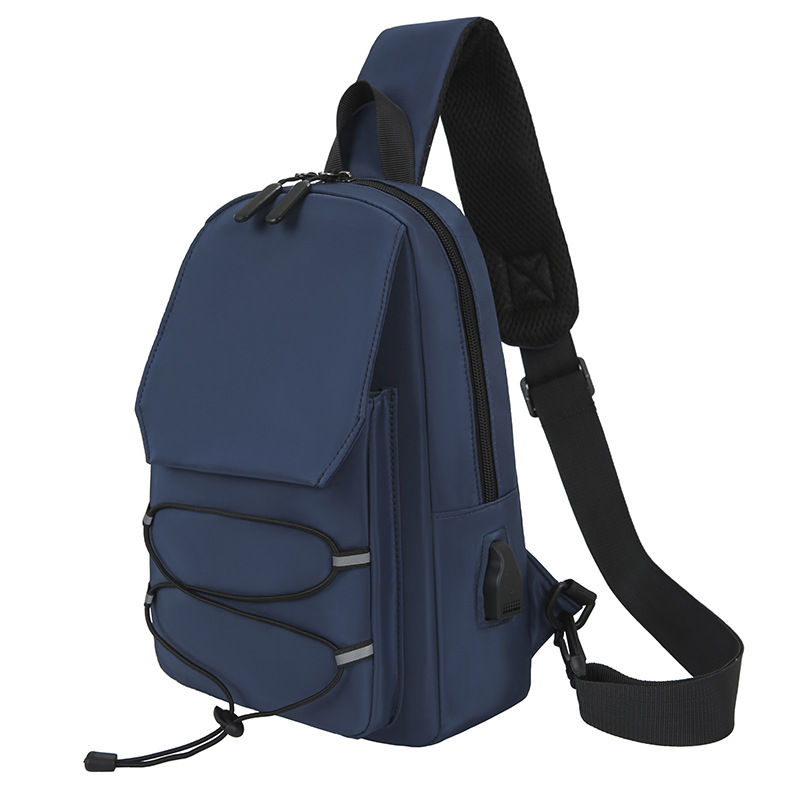
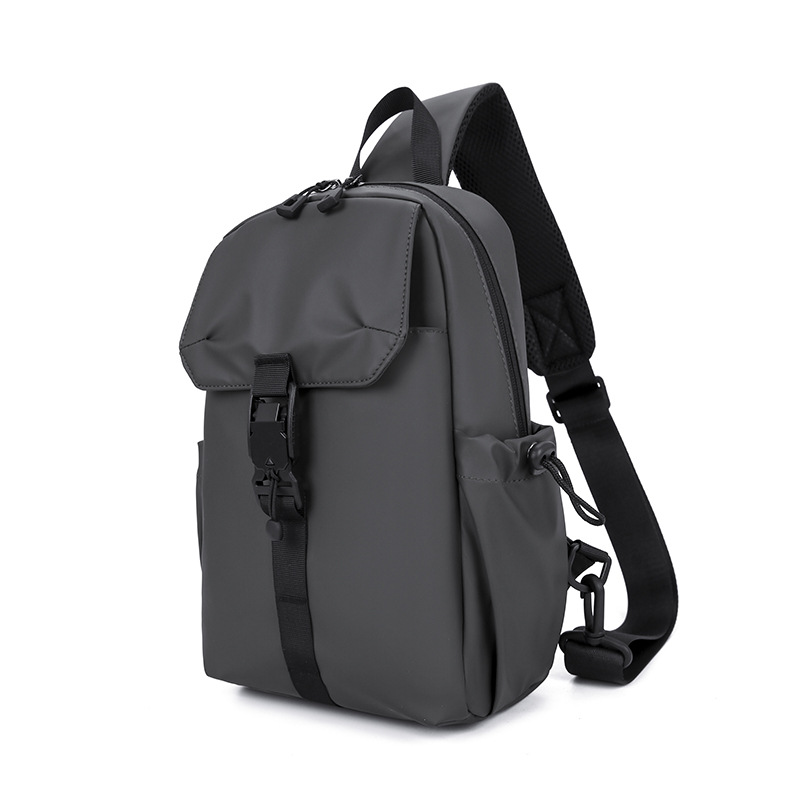
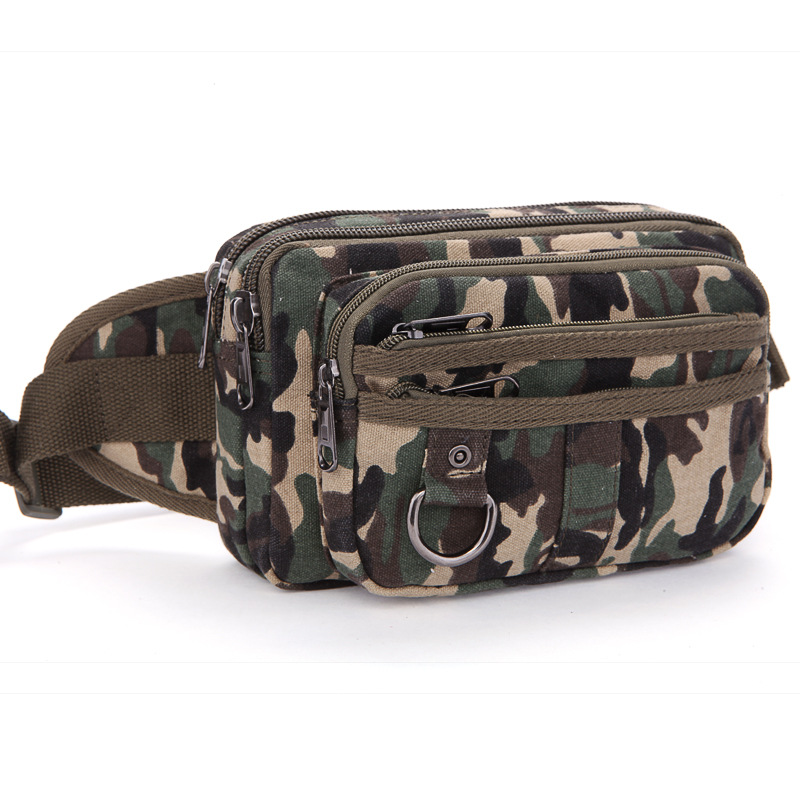
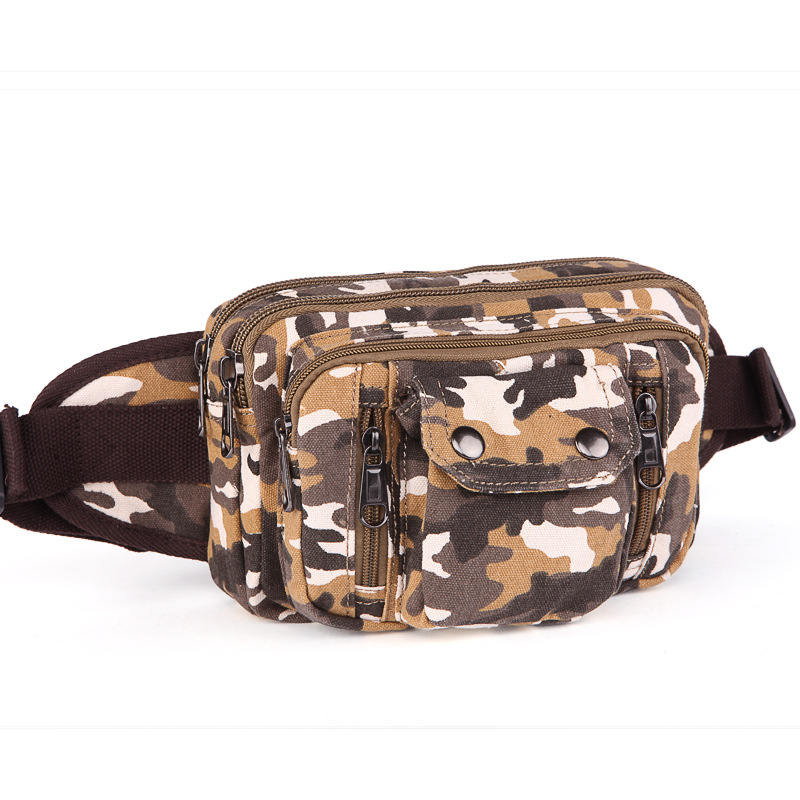
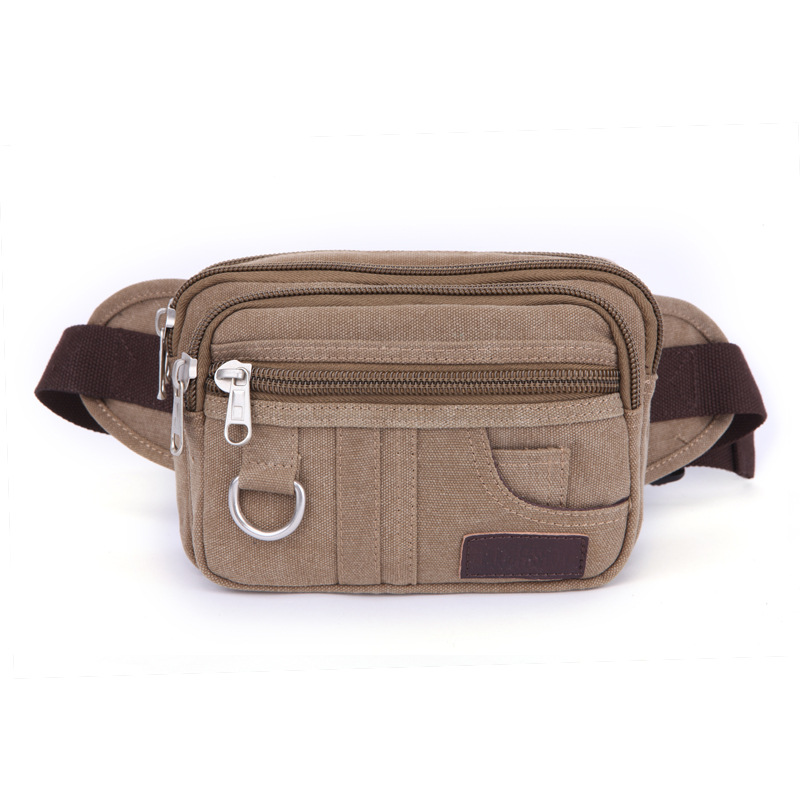
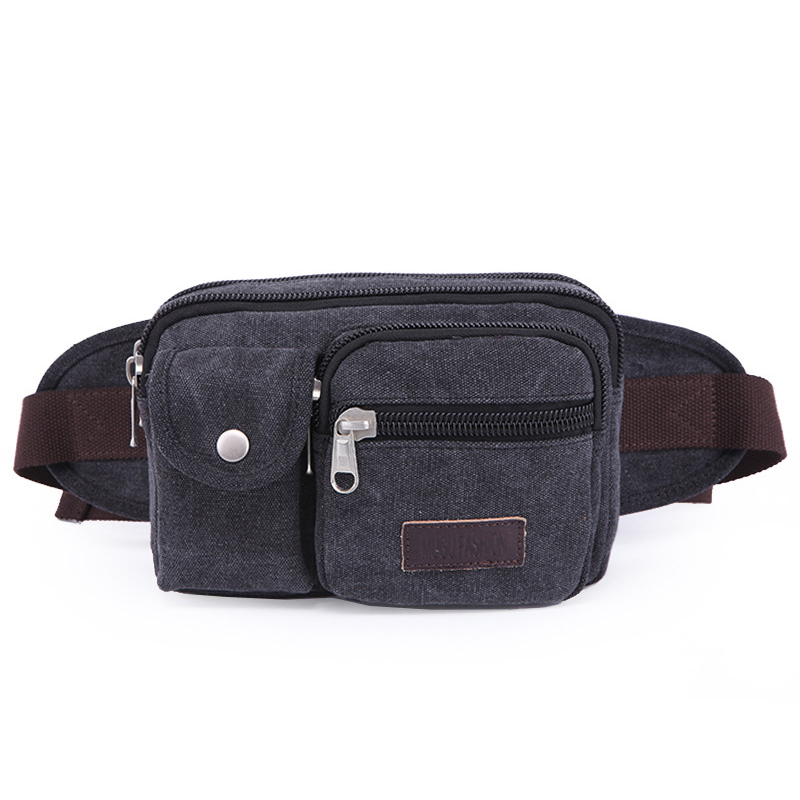
The product described here follows that familiar pattern. It appears to use a soft-sided rectangular body with a flap-over front, two vertical buckle straps, and multiple exterior pockets. Those details are not cosmetic alone. Exterior pockets reduce the time spent searching for small items, while the flap and buckle-style retention help keep the load secure when the bag is in motion.
Material choices: canvas, leather, nylon, and where each fits
In the bag market, material choice often drives the buyer’s final decision. A canvas messenger bag usually brings a more classic, casual look and can feel sturdy without looking overly technical. Leather and leather-like trim add visual contrast and reinforce stress points such as the flap edge, strap ends, and buckle keepers. Nylon messenger bag constructions, by contrast, are often chosen for lighter weight and easier weather handling. A waterproof messenger bag may be the right answer for commuters in wet climates, but buyers should be careful not to assume that any fabric with a dense weave is automatically waterproof.
The bag in the supplied product information appears to combine woven textile body material with brown strap and trim elements, plus brass- or gunmetal-tone hardware. That is a common cut-and-sew approach in bag manufacturing: textile panels for the main body, reinforced trim where wear is highest, and metal fittings for adjustability and closure. It is a practical construction, though exact fiber content and trim composition cannot be confirmed from the image alone.
Quick buyer comparison: what to look for
Organization
If the bag will carry notebooks, cables, or camera accessories, multiple exterior pockets can be more valuable than a large open compartment. The visible front pockets on this style support that use case well. Buyers who like minimalism may prefer fewer pockets, but in real-world daily carry, a bit of exterior organization usually saves time.
Carrying comfort
An adjustable shoulder strap is essential. Crossbody use distributes weight better than a short shoulder carry, especially if the bag is loaded with books or tools. Wide straps are often more comfortable than narrow ones, though padding is not always visible in product images and should be checked separately.
Closure security
Flap closures with buckle-style fasteners give a traditional look and decent retention, but they are slower than zippers. That tradeoff is worth noting. A buyer who opens the bag dozens of times per day may value speed; someone prioritizing security or a cleaner front profile may prefer the flap.
Manufacturing details that affect quality
For sourcing teams, the real difference between an average messenger bag and a durable one is often in the construction details rather than the headline material. Reinforced stitching at seam intersections, solid attachment points for the strap hardware, and neatly finished pocket edges all matter. Rivets and metal studs can help distribute stress, but only if they are placed where the load actually transfers. A pretty buckle means little if the strap anchor is weak.
The visible topstitching and panel construction suggest a sewn textile bag assembly with added reinforcement at wear points. That is standard practice and, frankly, the right starting point for a bag in this category. The buyer should still ask about internal lining, reinforcement layers, and the actual composition of the strap and trim if the bag is intended for long service or heavier loads.
Common mistakes buyers make
One common mistake is choosing by appearance alone. A messenger bag can look rugged and still be poorly balanced when loaded. Another is overestimating weather resistance. Unless the supplier clearly states a waterproof structure or coated material system, assume the bag is water-resistant at best, not weatherproof. Also, do not assume that all brown trim is genuine leather. It may be leather, faux leather, or another leather-like material, and that difference can matter for durability, compliance, and pricing.
It is also easy to ignore pocket geometry. A pocket that looks useful in photos may be too shallow for real use, or too tight to be practical with gloves or larger phones. Small details like that are where buyer disappointment usually begins.
Who this style suits best
A messenger bag like this is a sensible option for commuters, students, photographers carrying small accessories, and field workers who need a compact but organized carry solution. It also works well as a unisex casual travel bag, especially when the buyer wants easy access and a more structured shape than a typical tote or drawstring bag.
What to confirm before placing an order
If you are sourcing this kind of bag, verify the exact materials, internal layout, dimensions, and hardware finish before approving samples. Ask whether the bag body is canvas, a canvas blend, or a similar woven textile; whether the strap trim is genuine leather or synthetic; and whether any weather treatment has been applied. If the bag is meant for heavier use, request information on seam reinforcement and strap attachment methods. Those are the details that separate a marketable sample from a dependable product line.
Next step for buyers
If you are evaluating a messenger bag for retail, private label, or workwear use, start by matching the bag’s structure to the user’s daily load. Then check the construction: pockets, closures, strap adjustability, and reinforcement. The right bag will not just look organized; it will stay organized after months of use. That is the real test.