What Buyers Really Need to Know Before Choosing a Messenger Bag
A messenger bag looks simple on the surface, but for buyers sourcing for retail, corporate gifting, or private-label lines, the differences between models matter more than most product sheets admit. One bag may be built for commuting with a laptop and chargers. Another may be aimed at field staff who need quick access, weather resistance, and a strap that does not dig in after an hour. If you are comparing styles for a catalog or a project brief, the real decision is not “which bag looks good,” but which bag will hold up in the user’s daily routine.
That is where a clear read on material, construction, and carrying style pays off. A bad fit leads to returns, complaints about comfort, and a product that photographs well but performs poorly in use. A good fit, by contrast, can become a repeat seller because it solves a practical problem without demanding much of the user.
Quick Comparison: Common Messenger Bag Types
Different buyers tend to favor different constructions. The terms overlap in the market, but the use cases are not identical.
Canvas messenger bag
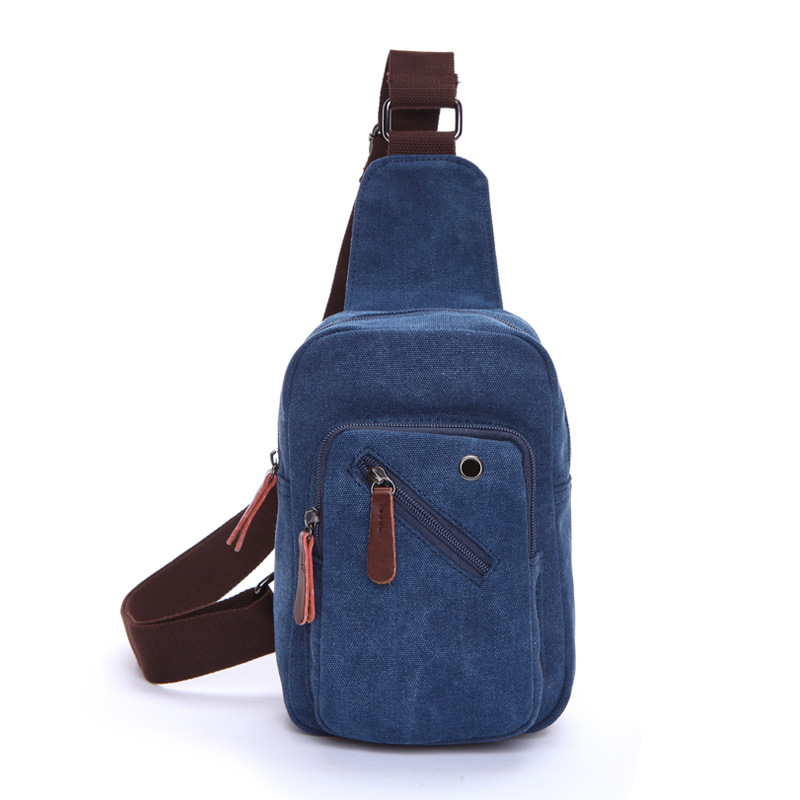
A canvas messenger bag usually signals casual durability and a more classic, utility-driven look. Canvas works well for everyday carry and lifestyle retail, especially when the buyer wants a softer structure and a less technical appearance. It also tends to accept branding nicely. The trade-off is that canvas can need coatings or linings if water resistance is important.
Leather messenger bag
A leather messenger bag sits in a different price and positioning bracket. It often appeals to office users who want a more formal profile. The bag can age well, which is part of the appeal, but leather also asks more of the buyer in terms of care, weight, and cost. For some programs, the look is worth it; for others, it pushes the item beyond the target margin.
Tactical messenger bag
A tactical messenger bag typically emphasizes rugged hardware, organized compartments, and a straightforward, functional aesthetic. This style is often chosen for outdoor work, travel, or users who want quick access to gear. The buyer should pay close attention to stitching, strap attachment points, and pocket layout, because those details decide whether the bag feels truly functional or merely styled to look that way.
Crossbody messenger bag and small messenger bag
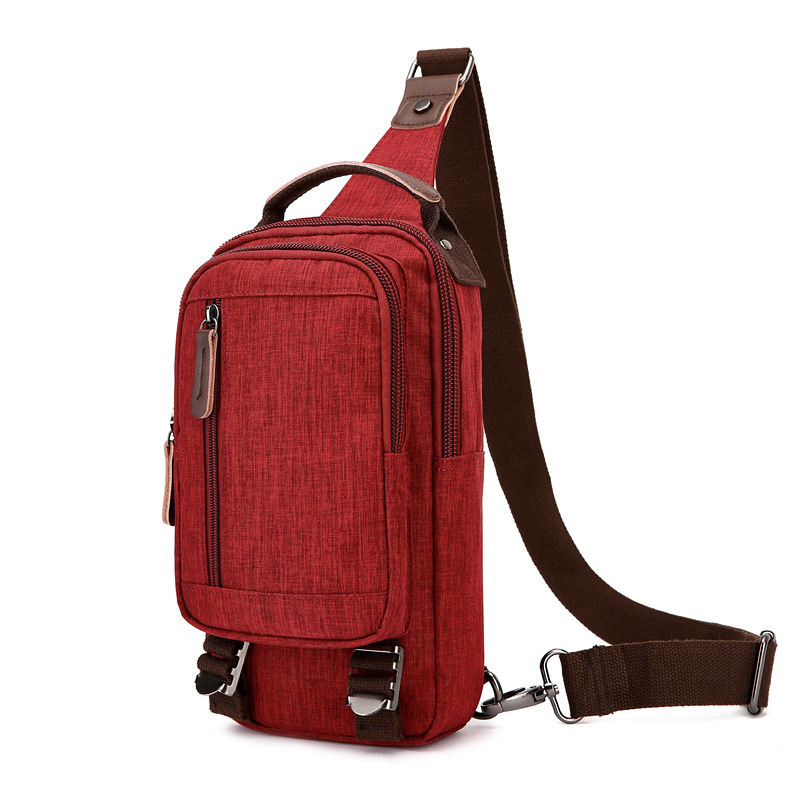
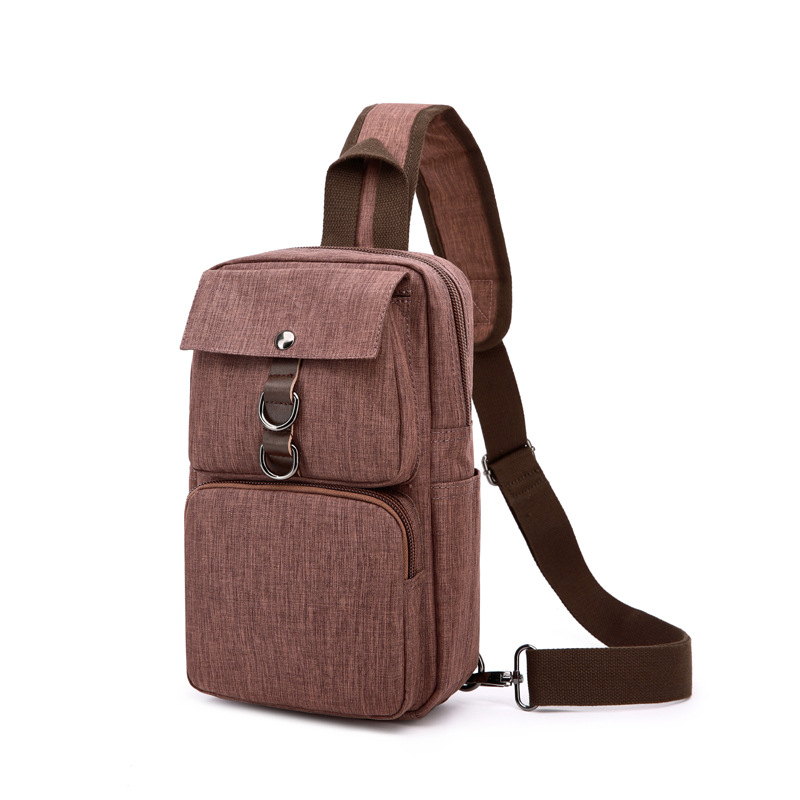
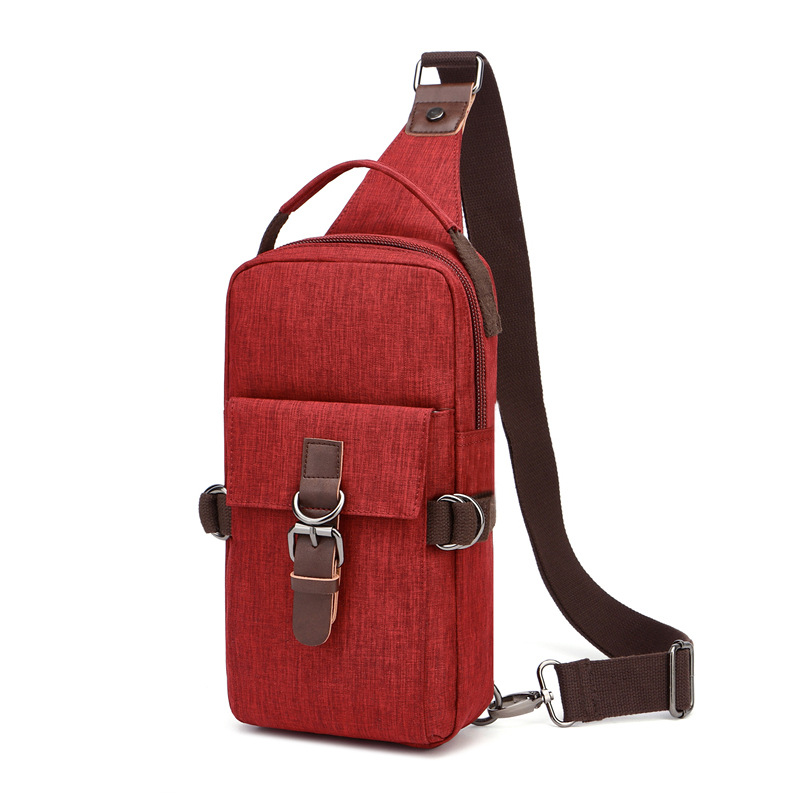
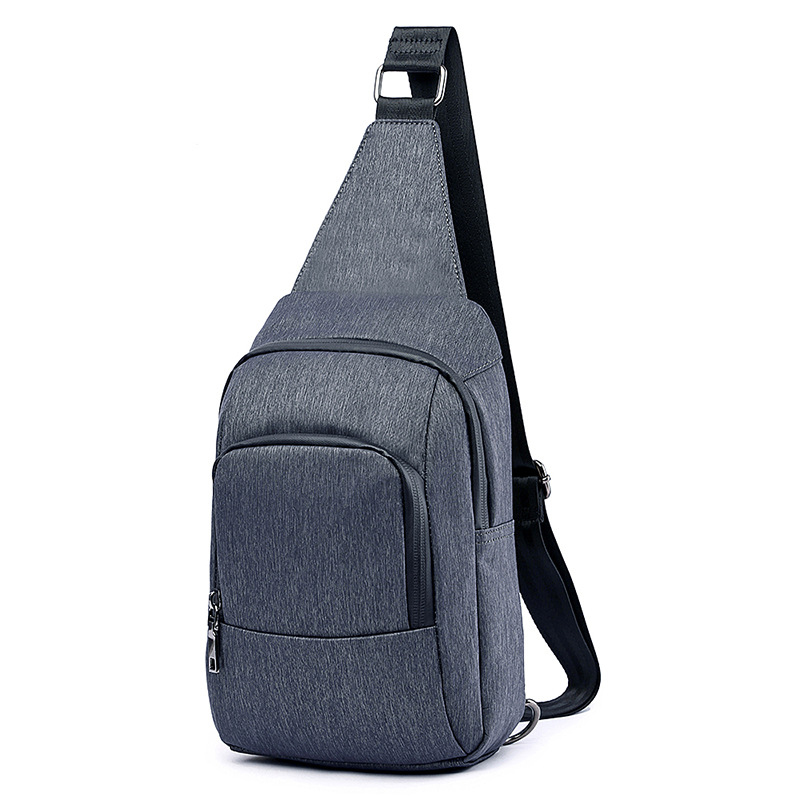
A crossbody messenger bag is usually more compact and easier to wear in crowded settings. A small messenger bag can be useful for light carry—phone, wallet, notebook, slim tablet, and a few accessories. These smaller formats sell well when mobility matters more than volume, but they can disappoint users if the internal organization is too tight or the opening is awkward.
Where Waterproofing Fits Into the Buying Decision
A waterproof messenger bag is often requested in sourcing briefs, but buyers should define the term carefully. In the market, “waterproof” is sometimes used loosely when the product is really water-resistant or splash-resistant. That distinction matters. A commuter bag exposed to rain on a train platform has different needs from a bag used in light office travel.
For practical buying, look at the full system: fabric treatment, zipper protection, seam construction, flap coverage, and base design. A water-repellent surface alone will not solve leakage at stress points. It is a common mistake to focus on the shell and ignore the closures.
Construction Details That Change Performance
The best messenger bag is rarely the one with the most pockets. It is usually the one with the right balance of structure, access, and carrying comfort. Buyers should examine a few details closely.
First, the strap. A messenger-style bag depends on strap design more than a backpack does, because the load sits on one shoulder or across the body. Width, padding, and adjustability affect how well the bag handles weight. Second, the flap or opening. A quick-access design is helpful, but if the opening is too loose, items can spill or shift. Third, internal organization. A laptop sleeve, document pocket, pen slots, and key leash are useful only if they are sized for real daily items rather than idealized contents.
Hardware deserves attention too. Buckles, snaps, magnetic closures, and zippers each create a different user experience. A zipper may feel secure; a magnetic flap may feel faster. Neither is universally better. What matters is whether the closure matches the intended setting and handling frequency.
Choosing the Right Style for the End User
For sourcing managers and product teams, the key question is how the bag will be used. If the audience carries laptops and files, a structured messenger bag with a padded compartment is usually safer. If the audience values appearance and office compatibility, a leather messenger bag may fit better. If the buyer wants a rugged utility item, the tactical messenger bag category is more appropriate. For light daily carry, a small messenger bag or crossbody messenger bag may be easier to sell and easier to wear.
Color, finish, and branding also matter. A subdued black or brown bag is often easier to place in corporate and general retail channels, while more expressive colors may suit fashion or youth-oriented buyers. That said, a practical design with poor proportions can still miss the mark even if the colorway is right.
Common Sourcing Mistakes
One frequent mistake is underestimating capacity. Buyers see a bag in a sample photo and assume it will hold a 13-inch or 15-inch laptop, then discover the fit is tight once packaging and accessories are included. Another is over-specifying features that add cost without adding daily value. A dozen pockets sound useful, but clutter can slow the user down.
It is also easy to ignore strap comfort until late in the process. By then, the pattern and sample may already be fixed. That is why early physical evaluation matters. A messenger bag is carried, not just carried in inventory.
Practical Buyer Advice Before You Place an Order
Ask for samples that reflect the actual intended use, not just a showroom version. Test how the bag sits when loaded, how quickly the main compartment opens, and whether the contents stay organized during movement. If you are buying for a retail line, check whether the style reads as everyday, office, or technical at first glance. Buyers often lose sales when the product’s appearance suggests one use case but the construction supports another.
If you are comparing a canvas messenger bag against a leather messenger bag or a more technical waterproof messenger bag, think beyond material alone. The user experience comes from the whole package: weight, access, shape retention, and durability at stress points. A bag can be attractive and still be the wrong tool.
A Simple Next Step for Product Teams
Before finalizing a spec, define the carry load, the target user, and the environment the bag will face. Those three answers will usually narrow the field faster than any style trend. Once that is clear, it becomes much easier to choose between a tactical messenger bag, a canvas messenger bag, a leather messenger bag, or a compact crossbody messenger bag that fits a more mobile user base.
If you are developing a line or sourcing for a program, the safest approach is to compare samples under realistic conditions rather than relying on product imagery alone. That is where the useful differences show up.