Why the Messenger Bag Still Matters in a Carry-On World
A messenger bag is not a nostalgic accessory; it is a working tool. For buyers who need something that moves between office desks, warehouse floors, trains, and client meetings, the format still makes sense because it keeps essentials close, accessible, and easy to sling on and off without fuss. That practical appeal is why the category keeps showing up in procurement shortlists, retail assortments, and internal gifting programs alike.
The decision, though, is not as simple as choosing a style. The right bag depends on what it must carry, how often it will be used, and whether the buyer values durability, presentation, or weather protection most. A canvas messenger bag may suit casual daily use, while a leather messenger bag often leans more formal. A waterproof messenger bag, on the other hand, can be the difference between a dry laptop and a service ticket after a wet commute.
What Buyers Usually Need the Bag to Do
Most purchasing decisions start with the same question: what problem is the bag solving? The answer changes by user group. Office workers want a clean profile and enough organization for a charger, notebook, and laptop. Field staff need quick access, stronger stitching, and a strap that does not dig into the shoulder after a long day. Travelers often prefer a travel messenger bag that can sit under a seat, hold documents, and keep passports or tickets within easy reach.
That is where the messenger format earns its place. Compared with backpacks, it offers faster access. Compared with briefcases, it usually feels less rigid and less formal. Compared with tote bags, it provides better closure and more stable load carrying. None of those are universal advantages, of course; a heavily loaded bag can still feel awkward if the strap is too narrow or the body is too soft.
Material Choices Shape Performance More Than Most Buyers Expect
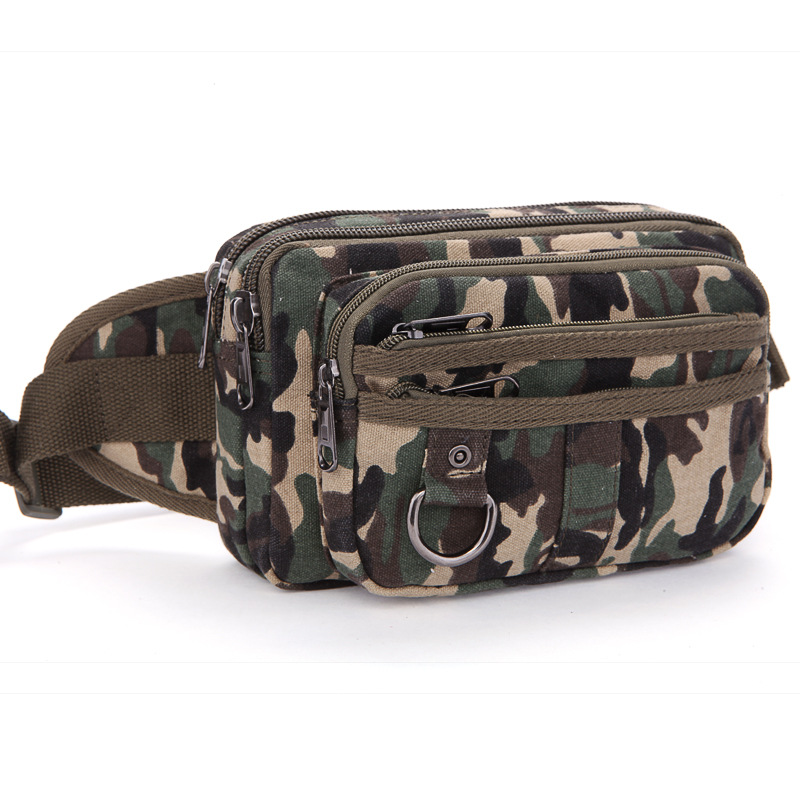
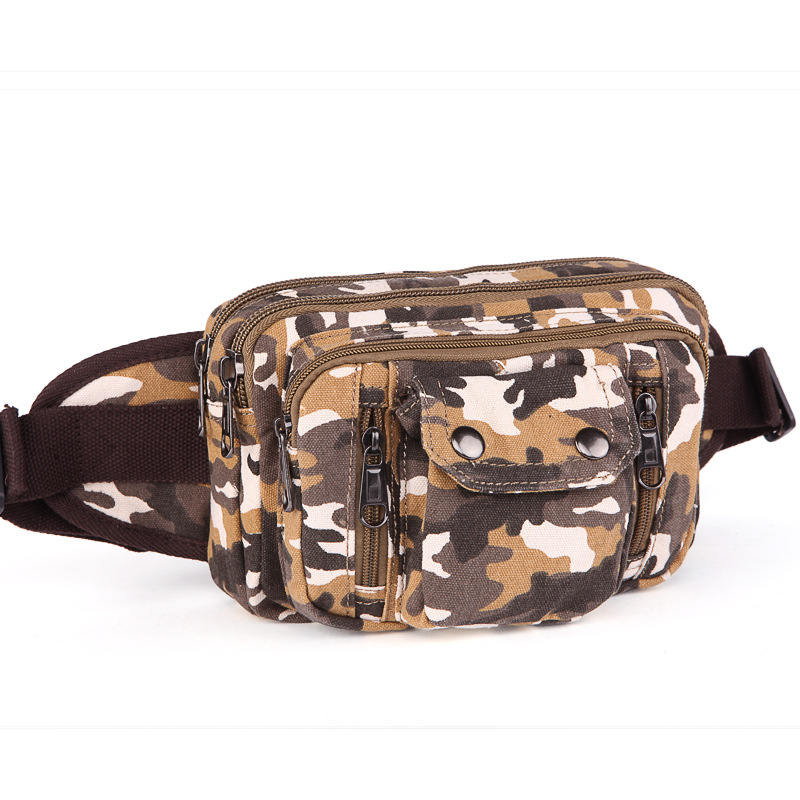
Material selection is not just about appearance. It affects wear life, maintenance, weight, and how the bag behaves after months of real use. A canvas messenger bag is often valued for its casual look and manageable cost, but the finish and lining matter a great deal. Thin canvas may look fine on day one and then sag after a few weeks of carrying a laptop and paperwork.
Leather brings a different set of trade-offs. A leather messenger bag can project a more premium image, which is useful in sales, executive, or client-facing settings. The downside is that leather usually adds weight and may require more care to keep its shape and finish. Buyers sometimes overlook that a beautiful outer shell does not compensate for weak internal reinforcement or poor strap hardware.
For lighter industrial use or travel-focused applications, a waterproof messenger bag can be a sensible option. Water resistance helps, but readers should still check seams, zipper construction, and flap coverage. “Waterproof” is one of those words that can mean different things depending on the build, so it is worth asking how the bag handles rain, spills, and repeated wet-dry cycles rather than assuming full protection.
Key Types and How They Tend to Fit Different Users
Work messenger bag
A work messenger bag usually sits between business and casual. It should be organized without looking overbuilt. Internal sleeves, pen slots, and a dedicated laptop compartment are common expectations, especially for teams that move between home, office, and transit.
Laptop messenger bag
A laptop messenger bag needs more than a padded pocket. The padding should be placed where the device actually contacts the bag, and the closure should prevent excessive movement. Buyers should also check whether the bag can handle the laptop size they use now, not the one they used three years ago.
Crossbody messenger bag
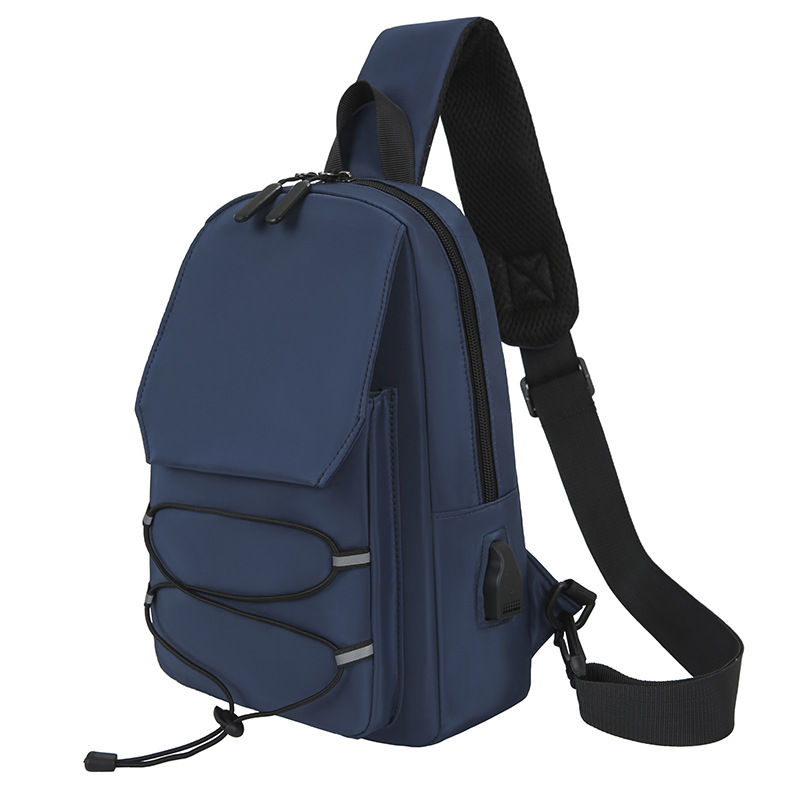
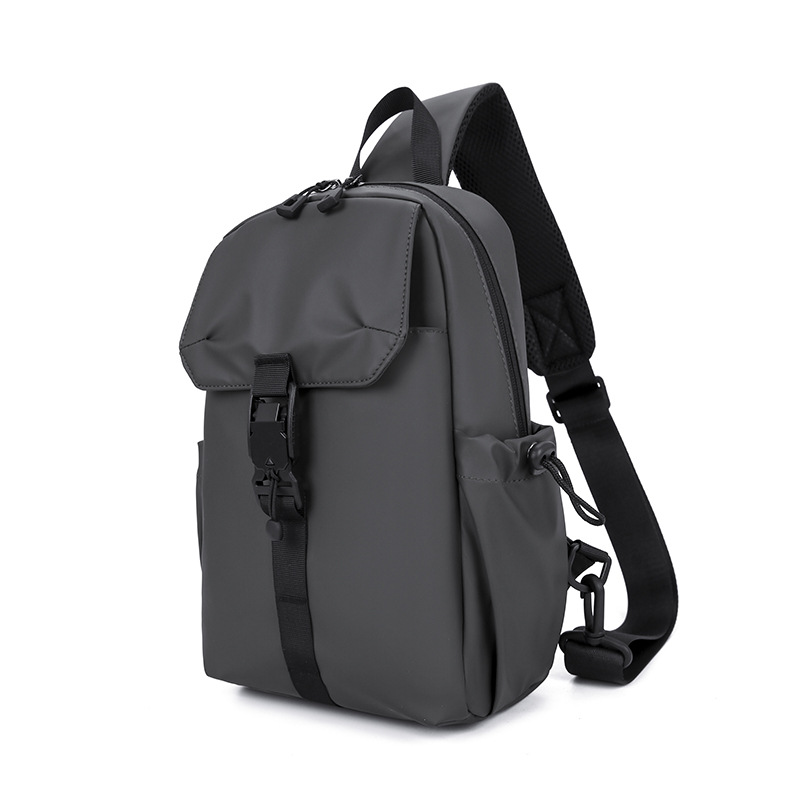
A crossbody messenger bag is often chosen for mobility and hands-free convenience. The key issue is strap design. If the strap cannot be adjusted easily or lacks a stable shoulder pad, the bag may be technically usable but unpleasant in daily rotation.
What to Look at Before You Place an Order
Several details matter more than decorative features. First, consider capacity in practical terms: not just liters or dimensions, but what actually fits alongside a laptop, charger, notebook, and a few daily carry items. Second, inspect strap hardware and seams. A weak rivet or thin attachment point becomes a failure point faster than many buyers expect. Third, look at organization. Too many pockets can make a bag fussy; too few can make it useless.
For sourcing managers, consistency matters as much as design. The same outer fabric can behave very differently depending on lining, foam density, zipper quality, and stitch density. If the bag is intended for corporate use or resale, sample evaluation should include repeated loading, shoulder comfort, and how the flap or zipper holds after several cycles. Not glamorous work, but it saves headaches later.
Common Mistakes in Messenger Bag Buying
One common mistake is choosing by appearance alone. A sleek bag that barely fits a device is a poor choice, no matter how polished the sample looks. Another is underestimating user behavior. If the bag is meant for commuting, people will overpack it. If it is meant for field use, it will get set on rough surfaces and exposed to weather.
Another practical warning: do not assume that a heavier bag is automatically better. Extra weight can be the result of thicker materials, but it can also come from unnecessary bulk. The best bag usually balances structure and ease of carry rather than maximizing one trait at the expense of the other.
FAQ for Buyers and Product Teams
Is a messenger bag better than a backpack? It depends on access and presentation. Messenger bags are faster to open and often look more business-appropriate, while backpacks usually carry weight more comfortably over long periods.
Which is best for daily office use? A work messenger bag or laptop messenger bag with a padded compartment and simple organization is usually the most practical choice.
When should a buyer choose leather? When presentation, perceived quality, and client-facing use matter enough to justify the additional weight and care requirements.
Is canvas enough for travel? It can be, especially for short trips or lighter loads, but a travel messenger bag with stronger closures and weather protection is often safer for frequent transit use.
A Practical Next Step
If you are narrowing options for a new program or product line, start with use case rather than style. Decide whether the priority is appearance, weather resistance, laptop protection, or all-day comfort. Then compare materials, strap construction, and pocket layout against that brief. The messenger bag category has enough variation to support many use cases, but that variety only helps when the design is matched to the job.