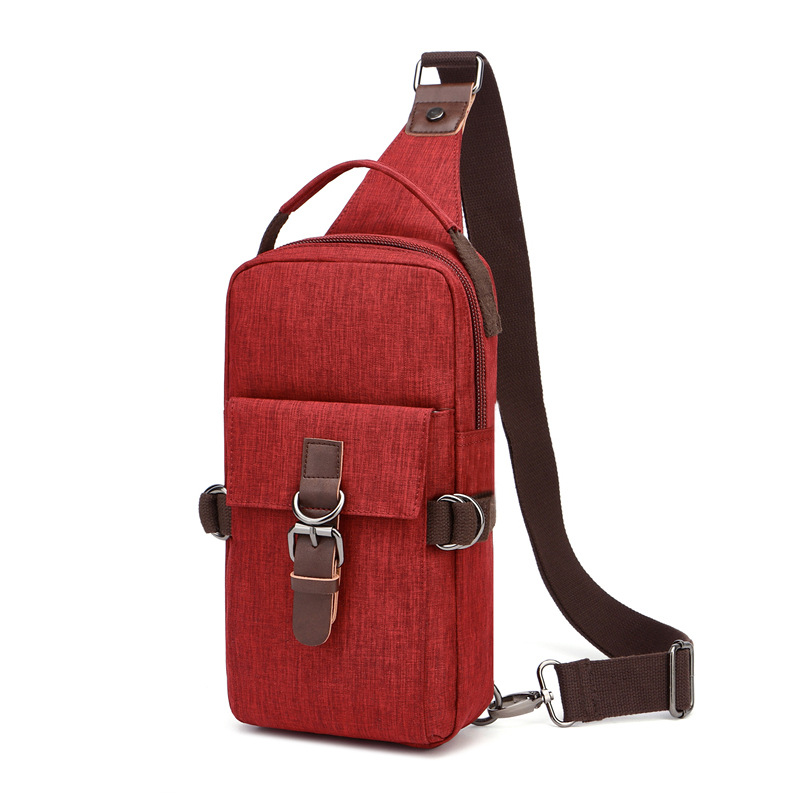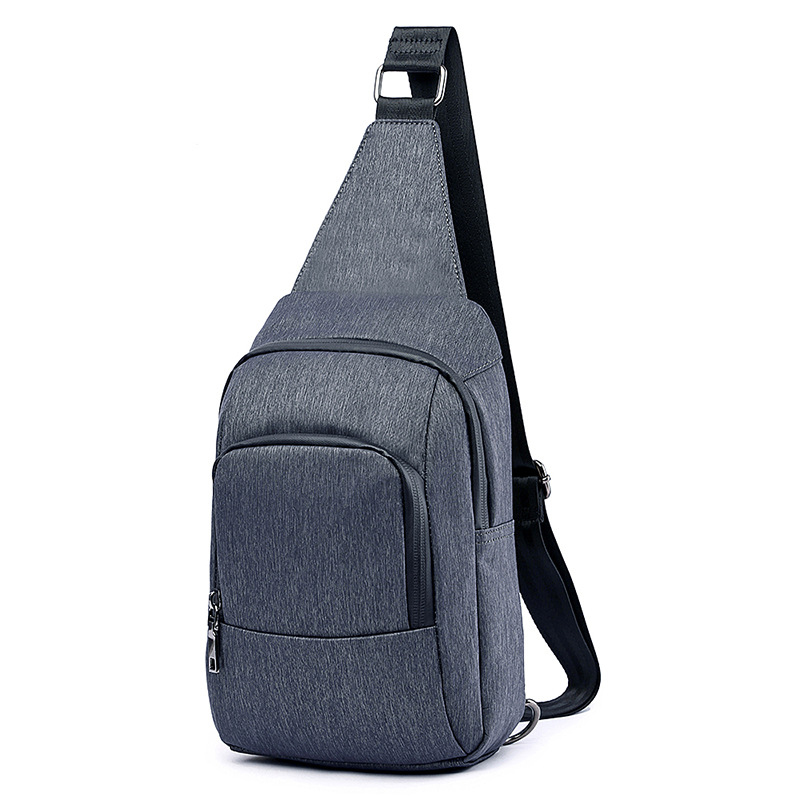
What Buyers Mean When They Ask for a Messenger Bag
A messenger bag sounds simple until you have to choose one for real use. For some buyers, it is a daily carry for documents and a tablet. For others, it is a commuter bag that needs to hold a laptop, charger, notebook, and a few small personal items without feeling bulky. That is why the right messenger bag is less about style alone and more about load, access, carry comfort, and material durability.
In sourcing terms, the decision usually sits between a shoulder bag profile and a more structured crossbody bag format. Those terms overlap in the market, but buyers should not treat them as identical. A messenger-style design normally emphasizes one-strap carry, a flap or top closure, quick access, and a shape that sits flat against the body. For industrial buyers, retail brands, or corporate procurement teams, that distinction matters because it affects user comfort, perceived quality, and how the product performs after daily handling.
Why the Category Matters for Engineering and Sourcing Teams
The practical question is not “What looks good?” but “What will users actually carry, and how often?” A bag that works for light office use can fail quickly when it becomes a laptop messenger bag for commuting. Weight distribution, strap hardware, lining quality, and stitching at stress points all become more important as the load rises.
This is where many buyers underestimate the category. A soft bag with attractive fabric may sell well at first glance, but if the strap pad slips or the closure is awkward, users stop trusting it. In B2B buying, that usually means complaints, returns, or a product line that looks fine in samples and disappoints in use.
Material Choices: What They Signal and How They Wear
Material drives both the look and the lifetime of the bag.
A leather messenger bag tends to carry a more professional, premium impression. It often fits office and business travel use, but buyers should remember that leather adds weight and usually asks for more care. It can age well, but only if the construction is solid and the leather grade is suitable for the intended price tier.
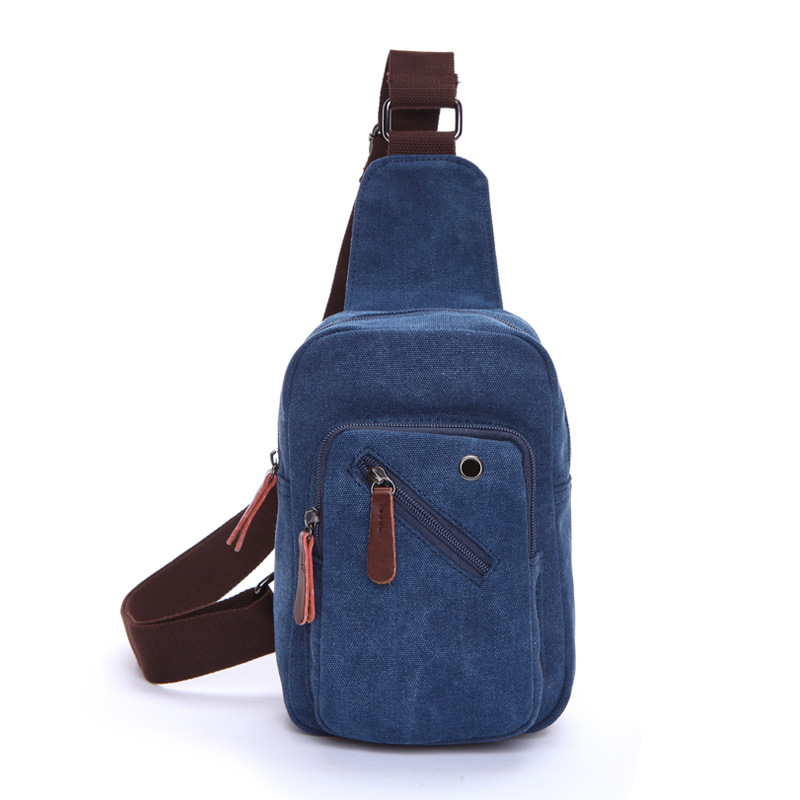
A canvas messenger bag is a common choice when the buyer wants a more casual, durable look. Canvas can be visually strong, easy to brand, and comfortable for everyday use. The tradeoff is that untreated canvas may absorb dirt and moisture more readily, so buyers should pay attention to coatings, reinforcement, and the quality of zippers or buckles.
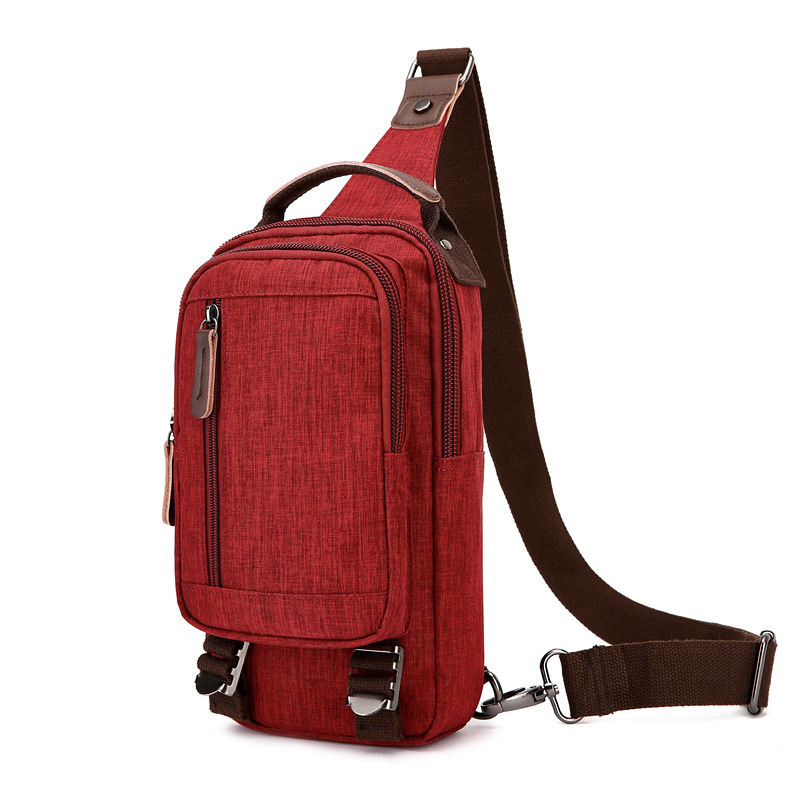
A nylon messenger bag is often selected for lighter weight and easier maintenance. It is a practical option for commute-oriented products, especially when weather resistance and low carry weight matter. That said, nylon varies a lot in hand feel and appearance. A thin fabric that looks sleek in photos may not hold shape well after repeated loading.
Features That Separate a Good Bag from a Commodity
If you are comparing samples, the details usually tell the truth faster than the spec sheet.
Look at strap adjustment first. A messenger bag should sit securely without cutting into the shoulder or sliding too easily across outerwear. Then check the flap or zipper system. Fast access is a selling point of the category, but weak closures create frustration in use. Interior organization also matters more than many buyers expect. One open cavity may look clean, yet it can become a problem for users carrying chargers, notebooks, pens, and phones.
For a laptop messenger bag, the protective sleeve or padded compartment is not optional. The bag should accommodate the device size with enough clearance for easy insertion, but not so much slack that the laptop moves around during walking or transit. Buyers should also inspect the base area. A reinforced bottom can improve shape retention and help the bag survive desk-to-floor use, which is more common than product photography suggests.
Common Buyer Mistakes
One mistake is selecting on appearance alone. A slim silhouette can be attractive, but it may not support real-world loads. Another is confusing fashion carry with utility carry. A crossbody bag intended for light personal items is not necessarily appropriate for documents, electronics, and a water bottle.
Another practical warning: hardware quality is often overlooked until after launch. Buckles, sliders, rivets, and zipper pulls take a lot of stress in one-strap designs. If those parts are weak, the rest of the bag’s construction may not save the product.
How to Choose the Right Version for Your Market
Start with use case. Office users usually value clean styling, laptop fit, and organization. Travelers may want a lighter bag with quick-access pockets. Promotional buyers may prioritize branding surface and unit cost. Retail brands may need several variants, such as a leather messenger bag for premium buyers, a canvas messenger bag for casual utility, and a nylon messenger bag for commuter use.
Also consider how the bag will be merchandised. A messenger bag with too many hidden features can be difficult to explain at shelf level, while one that is too bare may struggle to justify a higher price point. The best product usually has a clear story: who it is for, what it carries, and why it is easier to live with than a generic shoulder bag.
Quick Buyer Takeaway
The right messenger bag is the one that matches load, carry style, and finish level without overpromising. Keep the material aligned with the market position, make sure the strap and closure hardware are built for repeated use, and verify that the interior layout reflects actual daily carry habits rather than a designer’s sketch.
If you are sourcing for a new line or replacing an underperforming style, start with samples in the intended use scenario, not just on a table. That small discipline saves a lot of expensive surprises later.