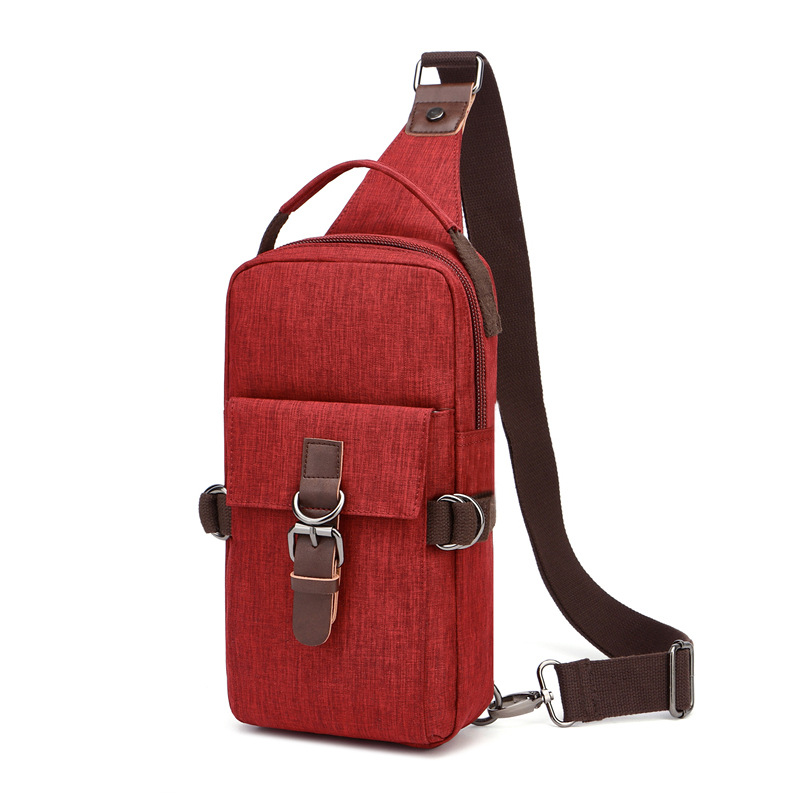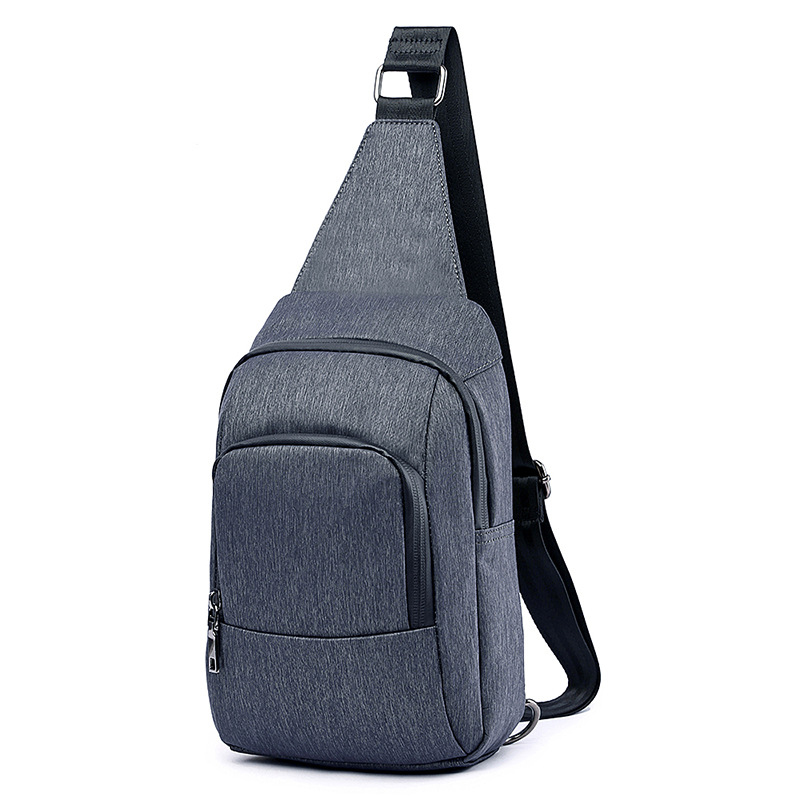
Messenger Bag Selection: What Buyers Should Actually Compare
A messenger bag looks simple from the outside, but for sourcing teams and product buyers it sits at the intersection of carry comfort, material durability, brand positioning, and everyday usability. The wrong choice can mean straps that dig in, flaps that fail to protect contents, or a silhouette that looks good in photos and falls apart in real commuting. The right one does a more practical job: it carries laptops, documents, chargers, and personal items without turning into a nuisance by the second week.
That is why the buying decision is rarely about style alone. The better question is which type of messenger bag fits the user: a work messenger bag for office carry, a commuter messenger bag for crowded transit, a travel messenger bag for mixed-use packing, or a more fashion-led version that trades some structure for appearance. Material matters too, and the difference between a leather messenger bag, canvas messenger bag, and waterproof messenger bag shows up quickly in weight, upkeep, and perceived value.
Quick Comparison: Materials and Use Cases
Buyers often start with the cover material, and that is usually sensible.
Leather
A leather messenger bag tends to read as more premium and more office-friendly. It usually suits executive carry, client-facing roles, and brands that want a polished look. The tradeoff is weight and maintenance. Leather can age well, but only if the construction is sound and the hardware is not an afterthought.
Canvas
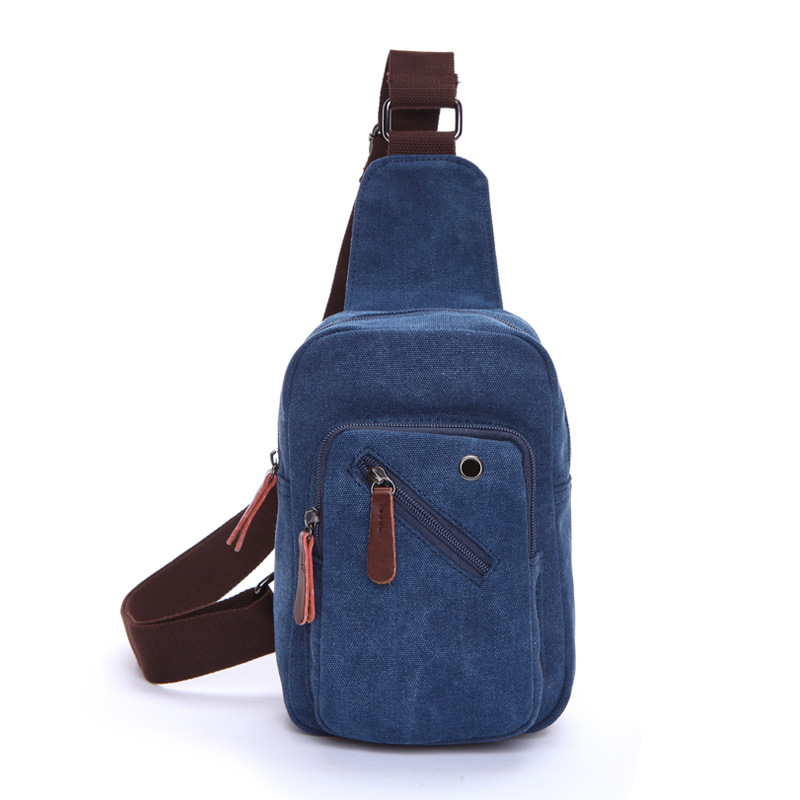
A canvas messenger bag is usually lighter and more casual. It fits creative work settings, campus use, and promotional lines where a relaxed look is acceptable. Canvas can hold shape well enough, though buyers should check stitching density, edge finishing, and whether the fabric is treated for better resistance to everyday wear.
Water-resistant and waterproof builds
Not every bag sold as weather-ready is truly weatherproof, so this is worth a careful look. A waterproof messenger bag, if genuinely built for it, is useful for commuters, bike riders, and field teams. In many cases the more realistic target is water resistance: enough to handle rain, splashes, and a wet platform without soaking documents. That distinction matters more than the brochure copy suggests.
Why the Strap and Closure Deserve Attention
Many buyers focus on body fabric and ignore the parts that determine daily comfort. That is a mistake. The shoulder strap is the load-bearing system. For a crossbody messenger bag, the width, adjustability, and pad design all affect whether the bag feels stable or awkward over a full day. A thin strap may photograph well, but under laptop weight it can become a complaint magnet.
Closures matter too. A flap-over design gives the classic messenger profile and can add weather protection, while zippers offer faster access and more secure closure for transit. Some models combine both, which is often a practical compromise. The main point is simple: the bag should open in a way that matches the user’s routine, not force a routine around the bag.
What Engineers and Sourcing Teams Should Review
In manufacturing terms, the bag is a system of small decisions. Stitch quality, reinforcement at stress points, lining durability, zipper grade, and internal organization all affect perceived quality. Buyers should look at pocket layout with real use in mind. A commuter may need space for a laptop, power bank, notebook, and transit card. A travel buyer may care more about quick-access compartments and a layout that keeps essentials from disappearing into one large cavity.
It is also worth watching overall weight. A heavy bag can feel premium at first, but if the user carries it every day, extra ounces become a selling problem. Likewise, overbuilt hardware can create the impression of quality while adding bulk that not every customer wants. There is no universal answer; only the right balance for the intended user.
Common Buyer Mistakes
One common mistake is choosing style before use case. A sleek messenger bag that works for casual carry may disappoint once a 15-inch laptop and power adapter are added. Another is assuming a weather-resistant finish solves everything. If the seams, zipper areas, and flap edges are weak, moisture finds a way in.
Another practical issue: internal organization. Too many compartments can feel clever in a spec sheet and annoying in daily life. Too few, and the bag turns into a loose container. Buyers should ask whether the intended user is likely to carry one device and a notebook, or a fuller load of work tools and personal items.
Practical Advice Before You Place an Order
If you are evaluating a messenger bag for retail, promotional, or private-label use, start with the end user’s daily route. Office commute, campus carry, air travel, bicycle use, and client visits all point to slightly different product priorities. A commuter messenger bag usually needs quicker access and better weather handling. A work messenger bag may need cleaner styling and stronger laptop protection. A travel messenger bag should be flexible enough to move between settings without looking out of place.
For product teams, the safest approach is to sample more than one construction style before locking the spec. A bag can look right in a flat photo and still fail in hand because the opening is too narrow or the strap geometry is off. That is not unusual; it is just what happens when soft goods are reduced to a spec sheet.
FAQ: Common Questions Buyers Ask
Is a messenger bag still relevant for modern work carry?
Yes, especially where users need a balance of professional appearance and quick access. It remains a practical middle ground between briefcase formality and backpack volume.
Which material is easiest to maintain?
Generally, synthetic or treated canvas options are easier to handle day to day than leather, though the final answer depends on finish, lining, and how the bag will be used.
What is the biggest red flag in a sample?
Weak strap reinforcement. If the stress points look thin or poorly finished, the bag may not survive heavy daily use, even if the body material looks good.
Next Step for Buyers
Before approving a messenger bag for production or purchase, define the user, the load, and the environment. Once those are clear, material choice and construction details become much easier to judge. A good bag is not the one with the most features; it is the one that disappears into the user’s day and does its job without complaint.