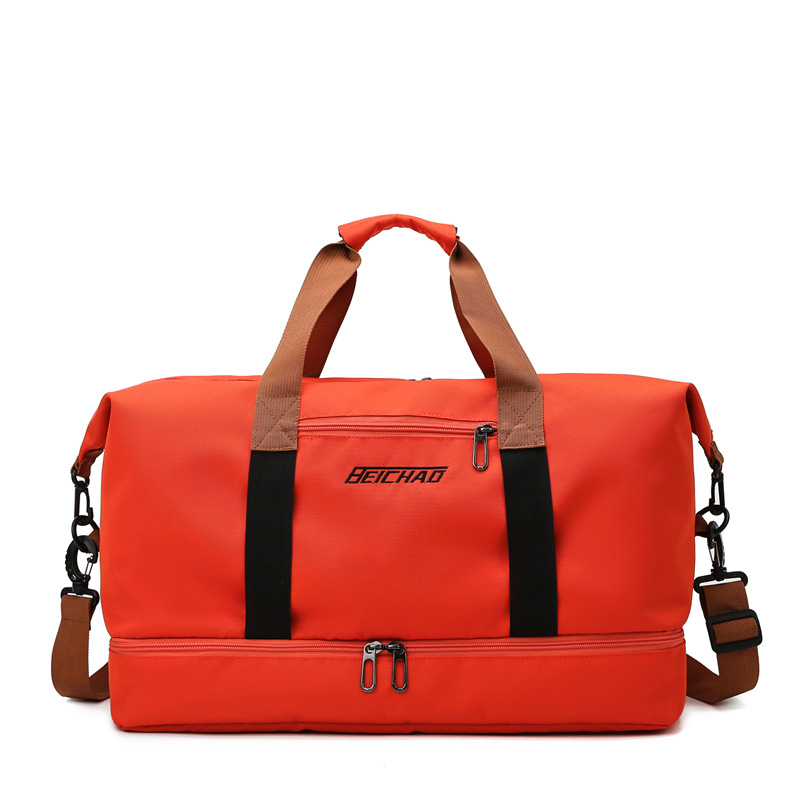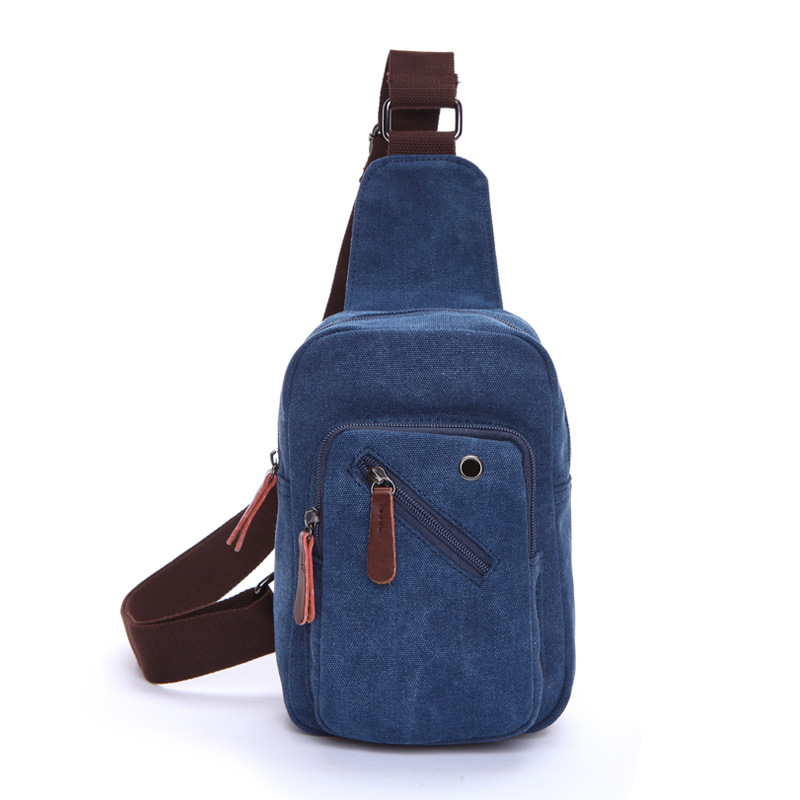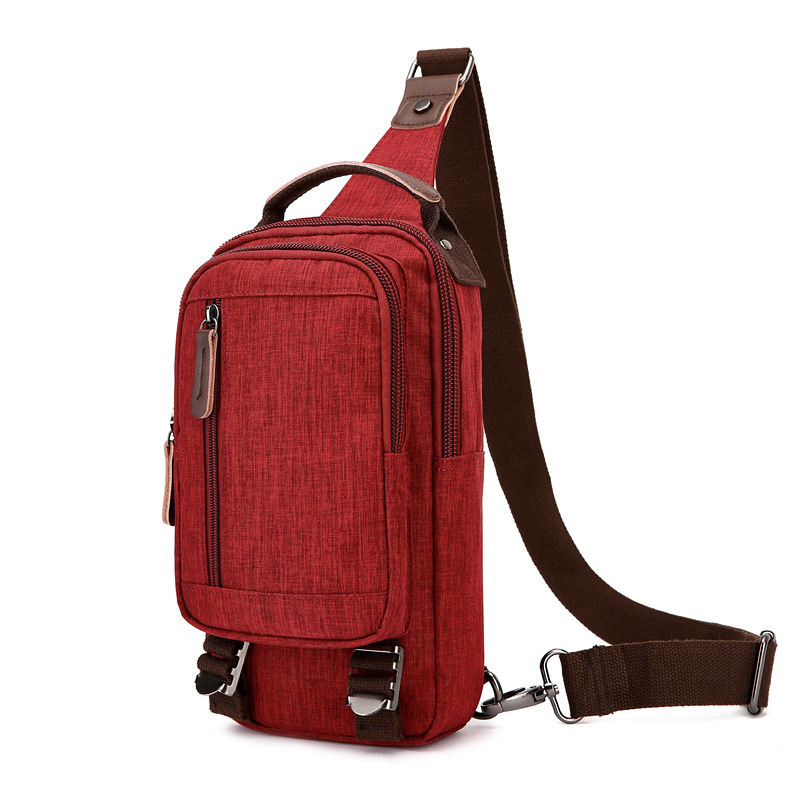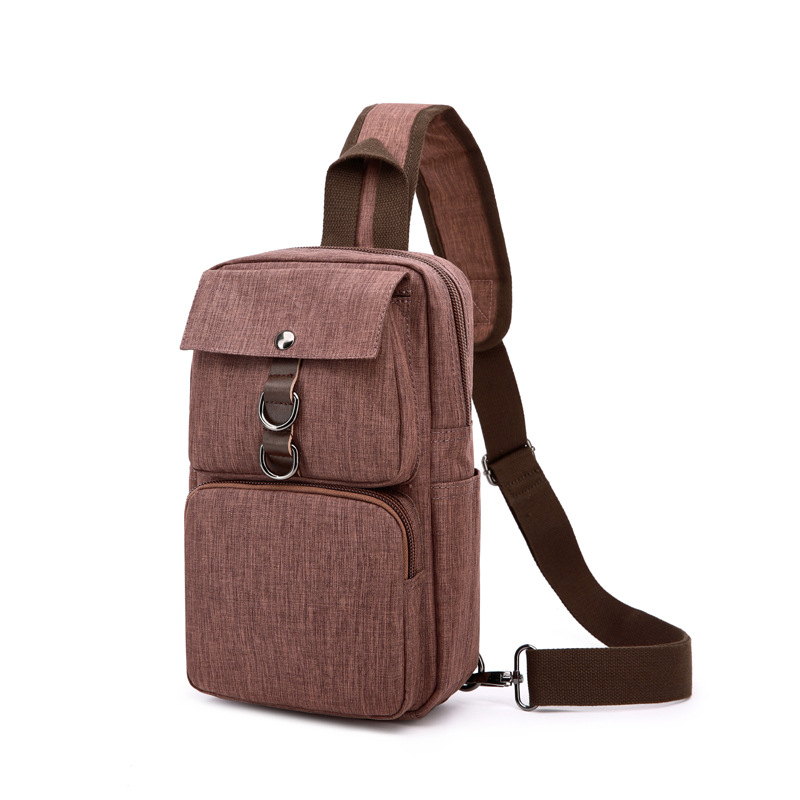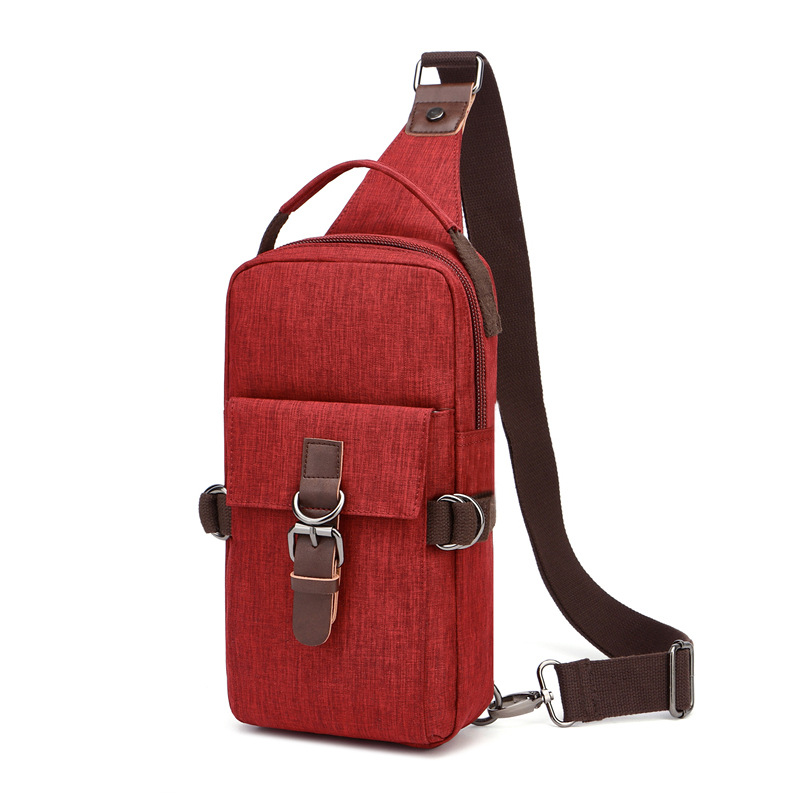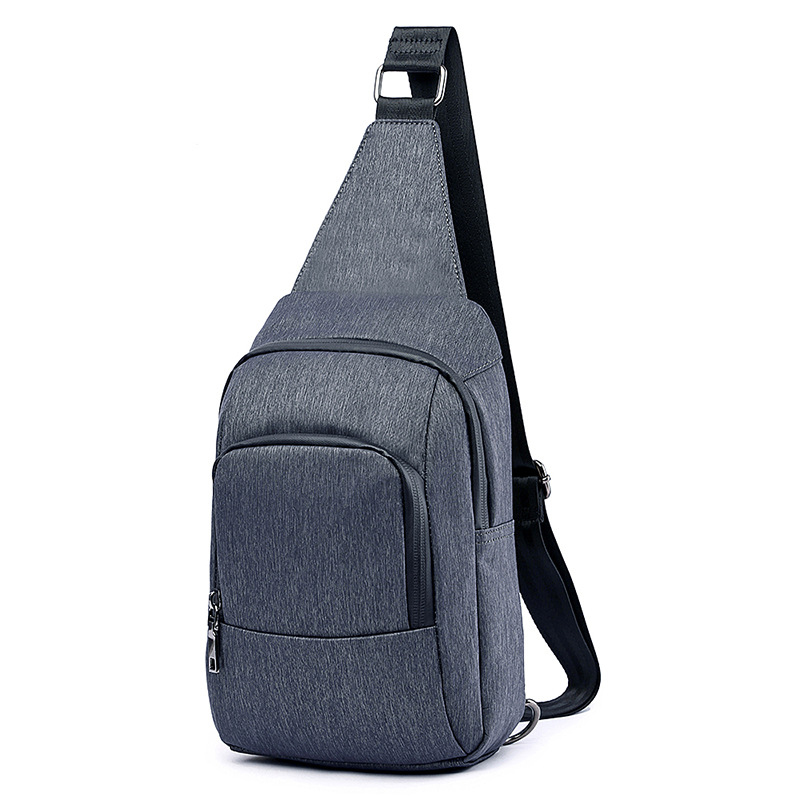
Messenger Bag Buying Guide: What Matters When You’re Choosing One for Work, Travel, or Daily Carry
A messenger bag looks simple from the outside, but the buying decision is rarely simple once you start comparing materials, organization, and carry comfort. If you are sourcing for a team, stocking a retail line, or just trying to choose a practical everyday carry, the right messenger bag has to do more than look professional. It needs to hold weight comfortably, protect a laptop, survive regular opening and closing, and still make sense when the user is rushing through a commute.
That is why the choice between a leather messenger bag, a canvas messenger bag, or a nylon messenger bag matters. Each material changes the bag’s weight, structure, durability, and how it will age. For some buyers, appearance is the deciding factor. For others, it comes down to whether the bag can handle a 14-inch laptop, paperwork, chargers, and the odds and ends that always accumulate in a workday.
What a Messenger Bag Is Actually For
A messenger bag is designed for crossbody carry, usually with a flap closure and a shoulder strap that allows quick access. The format is popular because it sits between a briefcase and a backpack: more casual than a case, less bulky than a backpack, and easier to reach into while standing or moving.
That versatility explains why the category has stayed relevant for office workers, commuters, creatives, and field reps. A business messenger bag is often chosen for meetings and client-facing settings, while a laptop messenger bag is more likely to be evaluated by storage layout, padding, and internal protection. The same silhouette can serve very different users, which is why buyers should look past the exterior style first and study the function.
Material Choice Changes the Whole User Experience
Leather
A leather messenger bag usually signals a more formal look. It can age well and develop character over time, which many end users like. The trade-off is weight and maintenance. Leather is not always the easiest option for users who carry a lot every day, and it may be overkill for people who want a lightweight commuter bag.
Canvas
A canvas messenger bag tends to feel more relaxed and practical. It often works well for everyday use, especially when buyers want a less structured bag with a casual workwear look. Canvas can be a smart choice for brands targeting students, designers, or hybrid-office workers. One caution: depending on construction and finish, it may show wear sooner than some buyers expect, particularly at seams and corners.
Nylon
A nylon messenger bag usually appeals to buyers focused on light weight, weather resistance, and easy handling. For commuting and travel, that can be a strong advantage. Nylon styles are often easier to wipe clean, and they may suit users who want a more technical appearance. The downside is that some nylon bags read as too utilitarian for premium office settings, so the market positioning has to be clear.
Features That Separate a Good Bag from a Problematic One
The outer material gets attention, but the details often decide whether the bag is usable day after day.
Look closely at padding around the laptop compartment. A laptop messenger bag should protect the device without making the interior so tight that users have to fight the zipper or flap every morning. Internal dividers should be useful, not excessive. Too many small pockets can make the bag feel fussy; too few and the contents become a jumble.
Strap construction matters as much as the body. A shoulder strap should distribute weight well and adjust easily. If the bag is meant for heavier carry, buyers should pay attention to reinforcement points, hardware quality, and how the strap attaches to the body. Weak hardware can ruin an otherwise decent product.
Closure design also matters. A flap looks classic, but if it is too loose, items can shift. If it relies on multiple fasteners, the bag may slow the user down. This is the sort of detail that sounds minor until the end user is standing in the rain outside a train station.
How to Match the Bag to the User
For business travel and meetings, a business messenger bag with a cleaner profile and solid organization tends to work best. Buyers should look for a shape that keeps the bag from sagging when partially full, because a sloppy silhouette reads poorly in client settings.
For daily commuting, comfort and capacity matter more. A crossbody design should sit securely without bouncing, and the internal layout should make room for a charger, notebook, water bottle, and laptop if needed. If the user switches between office and remote work, flexibility becomes more valuable than a highly specialized look.
For casual or creative users, style can lead the decision, but functionality should not be ignored. A canvas messenger bag may look right, yet if it lacks structure or weather resistance, it can become annoying fast.
Common Buyer Mistakes
One common mistake is buying for appearance alone. Another is assuming that every messenger bag labeled for laptops will actually be comfortable with daily tech carry. Size claims should be checked against real equipment dimensions, not just the marketing description.
A second mistake is overlooking the strap. It is easy to focus on the body material and forget that the strap is what carries the load. If the strap is narrow, slippery, or poorly stitched, the user will feel it within minutes.
A third issue is overstuffing the design with features. A bag can be technically impressive and still awkward to use if the pockets are poorly placed. End users usually want fast access and a predictable layout, not a puzzle.
Practical Selection Checklist
Before approving a messenger bag for purchase or production, ask a few grounded questions:
What will the user carry every day?
How formal does the bag need to look?
Is weight or structure more important?
Will the bag be used mostly indoors, on commutes, or in mixed weather?
Does the interior layout actually support the items being carried?
Those questions sound basic, but they eliminate a lot of weak options quickly. That saves time whether you are comparing samples or narrowing a retail assortment.
Final Buying Advice
The best messenger bag is the one that matches the real use case, not the one that looks best in a product photo. Leather suits buyers who want a more refined presentation. Canvas offers a balanced, casual option. Nylon is often the practical choice for light weight and daily commuting. For laptop users and business buyers, the real test is whether the bag carries load comfortably and keeps its contents organized without slowing the user down.
If you are evaluating options for a product line or sourcing program, start with the end user’s routine, then work backward into material, structure, and pocket layout. That is usually where the most reliable decision gets made.