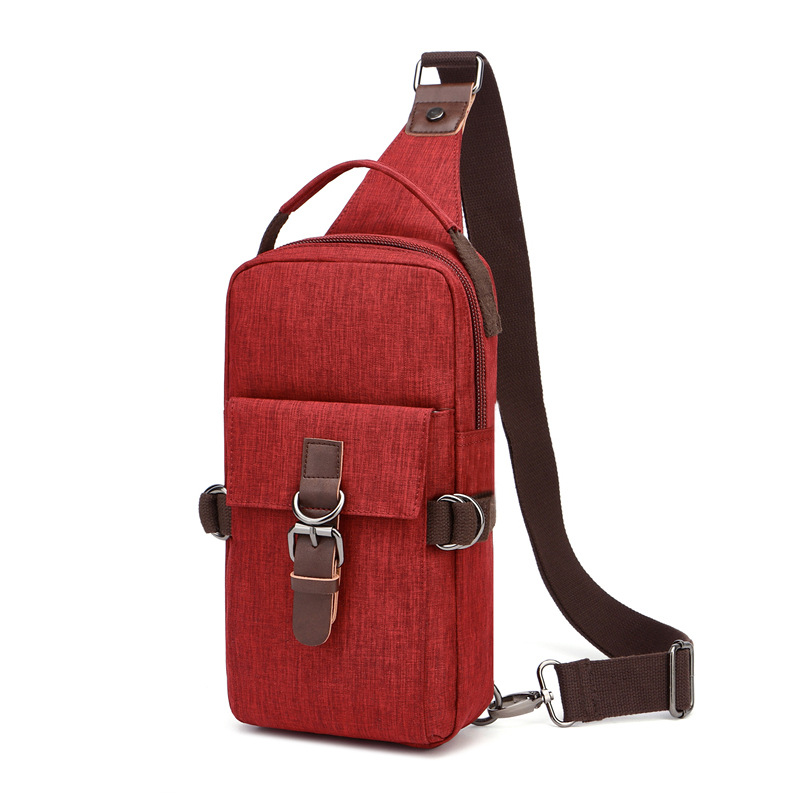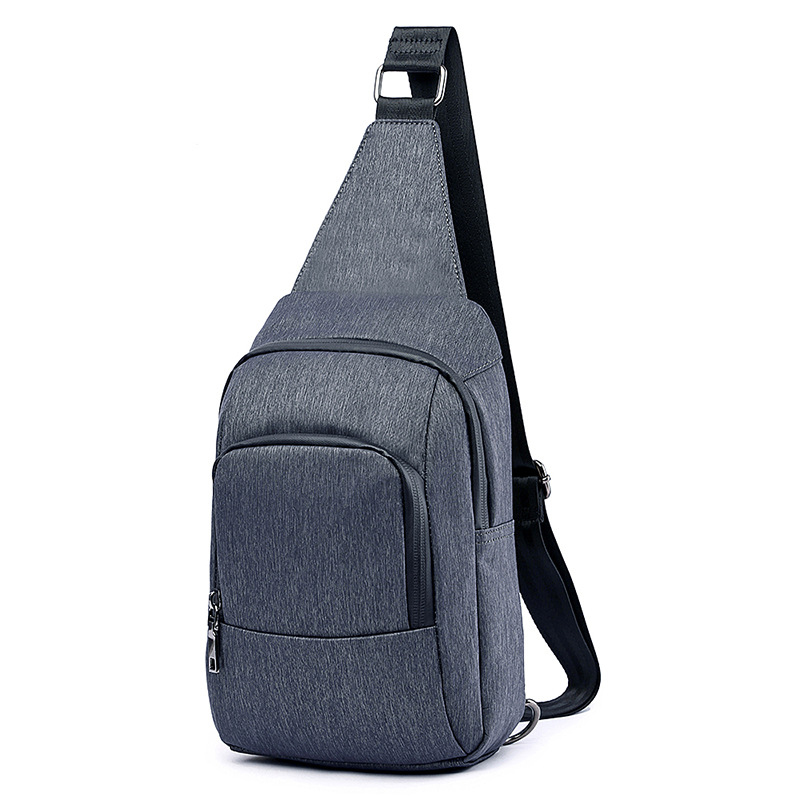
Choosing the Right Messenger Bag for Work, Travel, and Daily Carry
A messenger bag seems simple until you have to choose one for real use. The shoulder strap, flap closure, fabric weight, pocket layout, and internal padding all change how the bag behaves once it is loaded with a laptop, documents, cables, and the usual clutter of a workday. For buyers comparing a messenger bag against a backpack or briefcase, the decision usually comes down to access, comfort, and whether the bag looks right in the environment where it will be used.
That is why the best buying process is not about style first. It is about how the bag will be carried, how often it will be opened, and what needs to stay protected inside. A messenger bag can be a practical daily-carry item, but only if its material and construction suit the use case.
What a Messenger Bag Is Best At
The classic messenger bag is built for quick access. A cross-body strap keeps the load close, and the flap design makes it easy to reach contents without removing the bag entirely. That matters in commuting, sales visits, campus use, and field work where people need documents or devices several times a day.
Compared with a backpack, a messenger bag often offers faster access and a cleaner front-facing profile. Compared with a briefcase, it usually gives more flexibility in how it is carried and packed. The tradeoff is that long carries can feel less balanced on one shoulder, especially if the bag is overloaded. That is a practical limitation buyers should not ignore.
Common Messenger Bag Types and Where They Fit
Leather messenger bag
A leather messenger bag tends to suit office settings, client meetings, and users who want a more polished look. Leather usually communicates structure and durability, though the actual performance depends on material quality, lining, and hardware. It can age well, but it also tends to demand more care than textile options.
Canvas messenger bag
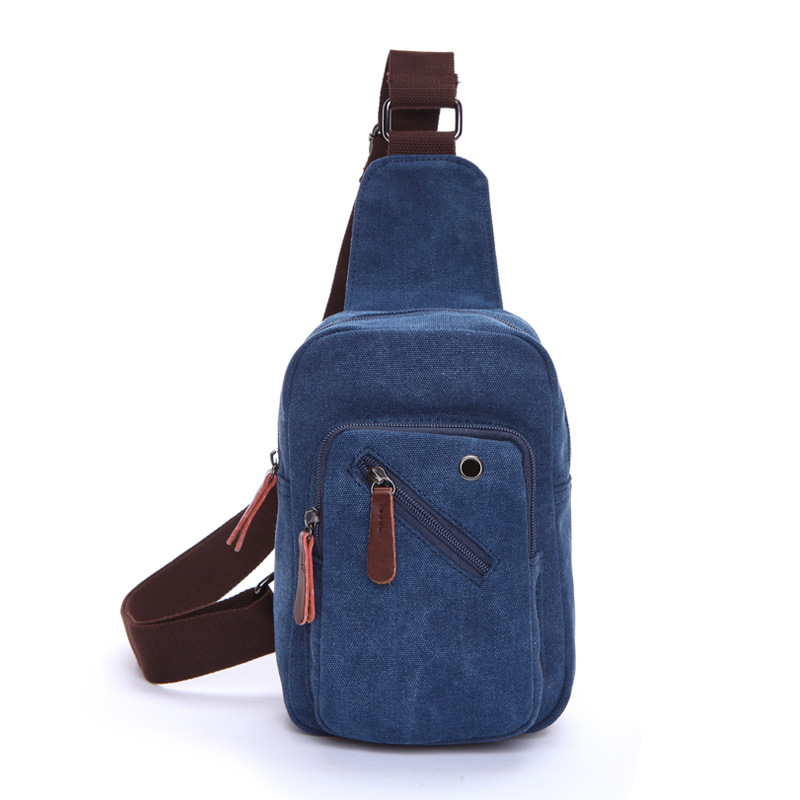
A canvas messenger bag is often chosen for everyday utility. Canvas is familiar, relatively lightweight, and easy to style in casual or workwear settings. Buyers often prefer it when they want a less formal appearance and a bag that can handle repeated use without looking too stiff. If the design is poorly reinforced, though, the bottom and strap anchors can wear early.
Waterproof messenger bag
A waterproof messenger bag is worth considering when electronics, documents, or delivery contents need added weather protection. It is important to distinguish between water-resistant fabric and truly waterproof construction. Sealed seams, coated materials, and flap coverage all matter. A bag may look protective while still letting water in through zippers or stitch lines.
Laptop messenger bag
A laptop messenger bag is built around device transport, which means padded compartments, structured walls, and sensible internal organization matter more than decorative details. Buyers should check device size compatibility, not just the stated diagonal measurement. A laptop sleeve that fits on paper can still be awkward if the bag narrows at the top or lacks enough depth.
Selection Criteria That Actually Matter
The first decision is capacity. If the bag is too small, people will overload the strap and destroy the comfort advantage. If it is too large, contents shift around and the bag loses shape. For daily commuting, that balance is often more important than the exterior material.
Next is strap design. A broad, adjustable strap with a stable shoulder pad can make a big difference in real use. On a messenger bag, the strap is not just an accessory; it is part of the load-bearing system. Poor strap hardware is one of the easiest ways to spot a low-value product.
Organization is another point that gets underestimated. Users typically want one secure pocket for valuables, one compartment for a laptop or tablet, and a few quick-access spaces for keys, pens, or transit cards. Too many pockets can be just as annoying as too few, especially when the bag is used every day.
Material choice should follow the environment. A casual messenger bag may work fine for office commutes and errands. A vintage messenger bag may appeal to buyers who want a softer, lived-in look. But if the bag will be used in bad weather or on a bike, weather protection and secure closures become more important than appearance.
Buying Mistakes That Create Problems Later
One common mistake is choosing by style alone. A bag can look excellent in product photos and still fail when loaded. Another mistake is assuming all “laptop” bags provide equal protection. Padding depth, corner coverage, and compartment layout vary more than many buyers expect.
A second issue is ignoring the strap-to-bag balance point. If the bag hangs awkwardly, it will twist during walking and feel heavier than it should. That may sound minor in a catalog review, but it becomes a daily nuisance.
Finally, some buyers overlook the opening style. Wide openings are helpful for access, but they should still close securely. On crowded transit or in rainy conditions, easy access without enough closure control can be a liability.
Practical Advice for Sourcing Teams and End Users
For sourcing managers, the most useful comparison is not between colors or finishes. It is between build quality, usability, and the actual user environment. Ask whether the bag is meant for commuting, sales use, campus carry, or casual retail. Those are different products even if the silhouette looks similar.
For product teams, a messenger bag line usually works best when it is developed around a clear use case. A leather model for office carry, a canvas version for casual use, and a waterproof option for commuters are not interchangeable SKUs. They solve different problems.
FAQ
Is a messenger bag good for laptops?
Yes, if it is designed as a laptop messenger bag with proper padding and a compartment that fits the device securely.
Is canvas or leather better?
Neither is universally better. Leather suits a more formal look; canvas usually feels lighter and more casual.
What matters most in everyday use?
Strap comfort, layout, and material choice usually matter more than decorative details.
A sensible next step
If you are comparing messenger bag options for a product line or procurement program, start by defining the use case before you compare finishes. That simple step eliminates a lot of weak candidates. From there, test the strap, confirm internal sizing, and check whether the material matches the environment the bag will actually face, not the one shown in the brochure.