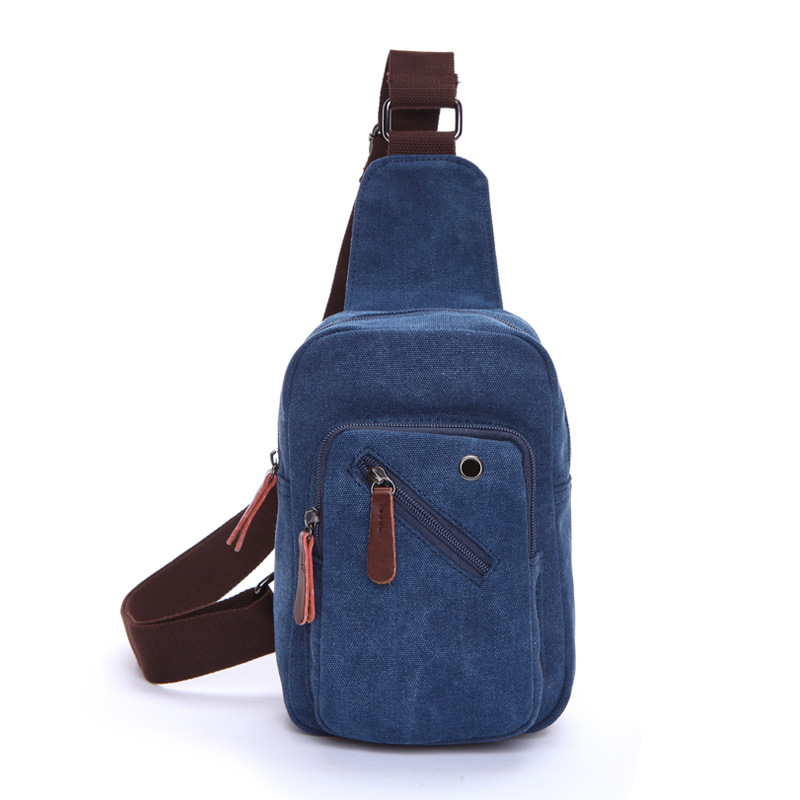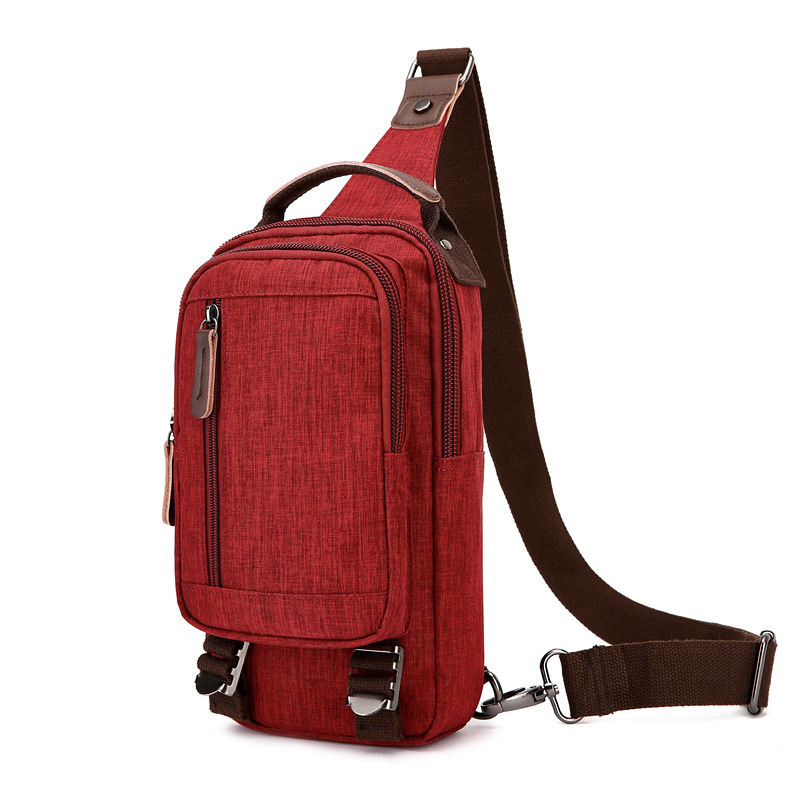
Choosing a Gym Bag That Actually Works for Daily Training
A gym bag sounds simple until you have to live with one. A bag that carries shoes, a water bottle, a change of clothes, maybe a laptop, and the occasional damp towel has to do more than just look presentable. For buyers, sourcing managers, and product teams, the real question is not whether a gym bag is available, but which style is fit for the way people actually move through a day.
That matters because the wrong bag creates small failures that add up: wet gear mixing with clean apparel, weak zippers that fail under load, straps that dig into the shoulder, or a shape that looks good on a shelf but wastes usable space. If you are comparing a sports bag, a gym duffel bag, or a more compact fitness bag, you are really deciding how the product should perform in transit, storage, and repeated use.
What Buyers Usually Need From a Gym Bag
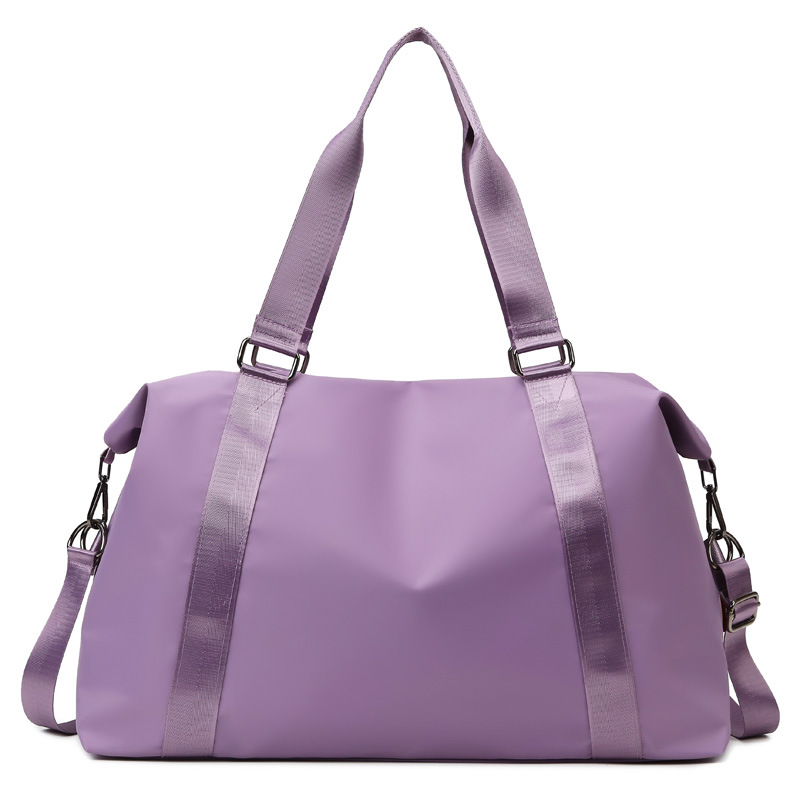
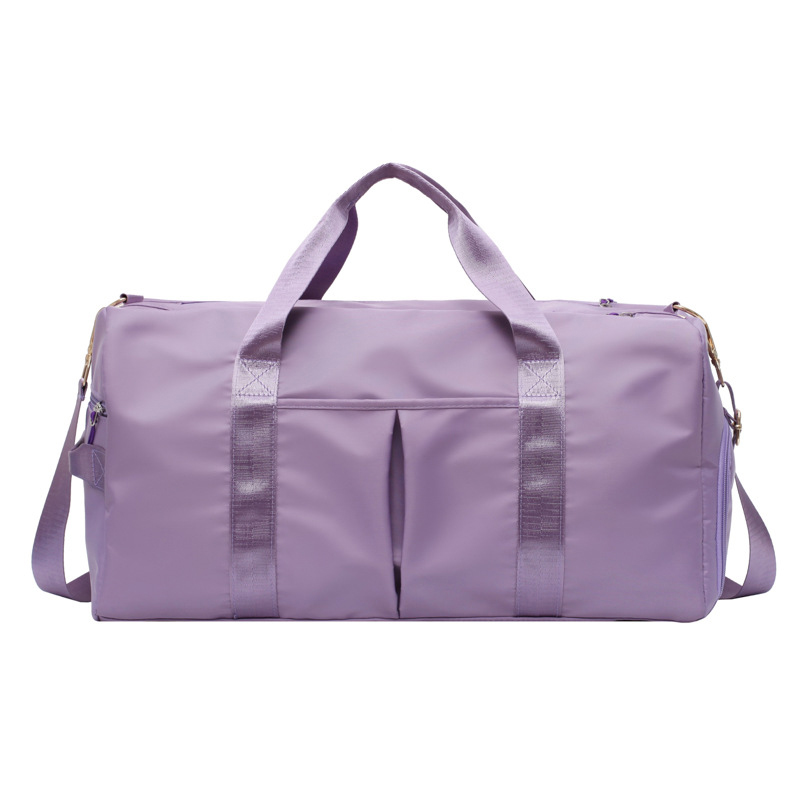
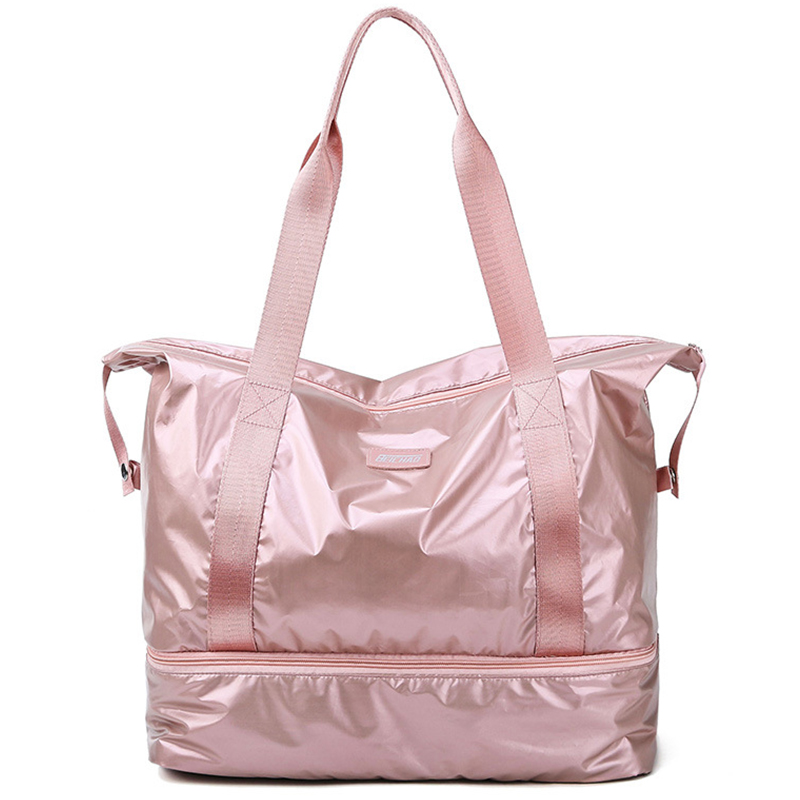
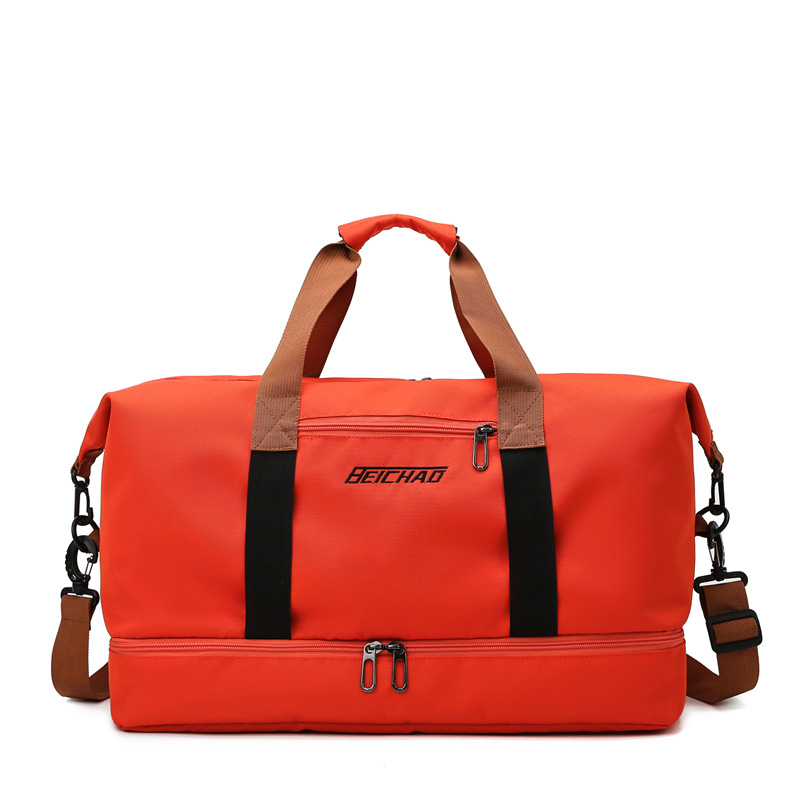
In the market, gym bags tend to fall into a few practical categories. The classic duffel remains common because it opens wide, packs easily, and suits mixed contents. A more structured workout bag may offer better organization, while a tote-style format can appeal to users who want a lighter carry and quick access. The right choice depends less on trend and more on use case.
For example, a gym duffel bag is often better when users carry shoes, towels, resistance bands, and recovery items in one load. A gym tote bag can work for lighter routines or short visits, but it is usually less friendly when the contents get heavy or bulky. A men gym bag may be marketed with a more understated look and larger volume, while a women gym bag often gets attention for silhouette, lighter handling, and internal organization. Those labels are useful only if they reflect actual user behavior, not just color and styling.
Key Features That Separate a Good Bag From a Disposable One
Material and wipe-clean surfaces
Fitness gear is hard on textiles. Sweat, moisture, chalk residue, and muddy shoes all shorten product life if the fabric cannot handle repeated cleaning. Buyers should look for materials that hold shape reasonably well and can be wiped down without losing appearance too quickly. A bag that looks fine on day one but absorbs odor by week three is a poor retail story.
Compartments that solve real problems
Separate shoe storage, internal pockets for small items, and a ventilated area for damp clothing are not luxury features. They reduce complaints. The best designs keep clean and dirty items apart without making the interior so segmented that larger gear no longer fits. That balance is easy to get wrong, especially in a smaller workout bag.
Hardware and carry comfort
Zippers, stitching, strap attachments, and handle construction deserve more attention than they often get. A consumer usually notices these details only after failure, which is why sourcing teams should inspect them early. Adjustable shoulder straps, padded grips, and balanced weight distribution matter once the bag is loaded. Even a well-designed sports bag feels poor if it pulls awkwardly to one side.
How to Match the Bag to the User
Start with the routine. Someone going from office to gym needs room for work essentials, not just training gear. A commuter may prefer a more polished fitness bag that can sit beside a laptop without looking out of place. Someone who trains after work and drives home may care more about volume and odor control than appearance.
Gendered labels deserve a cautious read. A women gym bag is not automatically smaller, and a men gym bag is not automatically more durable. In practice, dimensions, internal layout, and carry comfort matter more than the label on the hangtag. Buyers should avoid assuming that visual styling tells the whole story.
Common Buying Mistakes
One common mistake is overfocusing on capacity and ignoring structure. A large bag with poor internal layout often carries less efficiently than a smaller, smarter one. Another is choosing materials for appearance alone, then discovering they are difficult to clean after contact with wet shoes or clothing.
It is also easy to forget how the bag will be packed in the real world. If the user often carries a shaker bottle, a change of shoes, and a towel, the bag must support that shape repeatedly. A product that only works when packed perfectly is not very helpful.
Practical Advice for Sourcing and Product Teams
When evaluating a gym bag line, ask for samples that are loaded, not empty. Test zipper movement under pressure, check seam stress at the strap points, and see how the bag stands or collapses when partially filled. These are small checks, but they reveal whether the design is dependable or merely attractive.
Retail teams should also think about merchandising. A gym tote bag may photograph well, but it may not satisfy users who need true all-day carry capacity. A more functional gym duffel bag can be easier to explain at point of sale because the benefits are obvious: space, separation, and faster packing.
FAQ: Quick Questions Buyers Ask
Is a sports bag the same as a gym bag?
Usually, yes in broad commercial use. The difference is often in styling or intended audience rather than a strict technical definition.
Which bag style is best for mixed-use commuting?
Usually a structured workout bag or compact duffel works best, especially if it needs to carry both personal items and training gear.
What should be prioritized first?
Durability, compartment layout, and carry comfort. Looks matter, but they should not lead the decision.
A Better Way to Shortlist Options
If you are choosing a gym bag for private label, retail, or a company program, start with the user’s daily load, then narrow by shape, material, and organization. The best product is rarely the one with the most features. It is the one that fits the routine without making the owner think about it every time they leave the house.
For a more detailed product comparison or sourcing discussion, the next step is to review sample constructions side by side and compare them under realistic packing conditions. That is usually where the strongest option becomes obvious, and where the weak ones stop looking convincing.