Crossbody Bag Buying Guide: What Buyers Should Actually Look For
A crossbody bag is not just a fashion item. For sourcing teams, retail buyers, and product developers, it is a small-format carry product that has to balance comfort, capacity, construction, and visual appeal without giving up durability. That sounds simple until you start comparing samples. Strap length, zipper quality, pocket layout, and body shape can change the user experience more than the colorway ever will.
If you are evaluating crossbody bags for a catalog, a private label line, or a retail program, the real question is not whether the style sells. It is which version fits the customer segment, price band, and usage pattern you are targeting. A commuter wants fast access and secure storage. A travel buyer may want anti-theft features. A fashion customer may care more about silhouette and material finish than internal organization.
Why This Category Matters
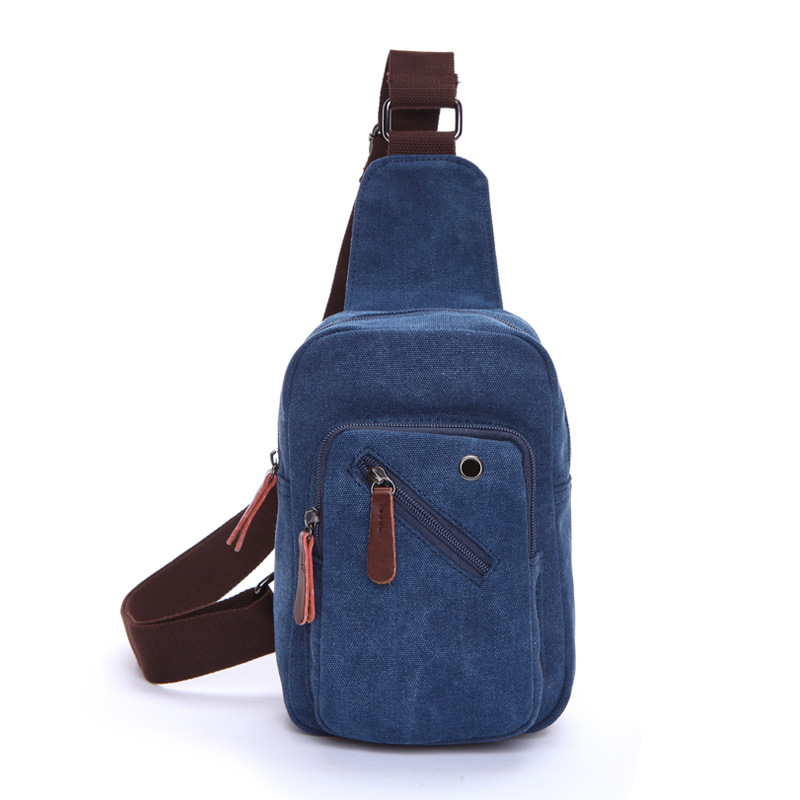
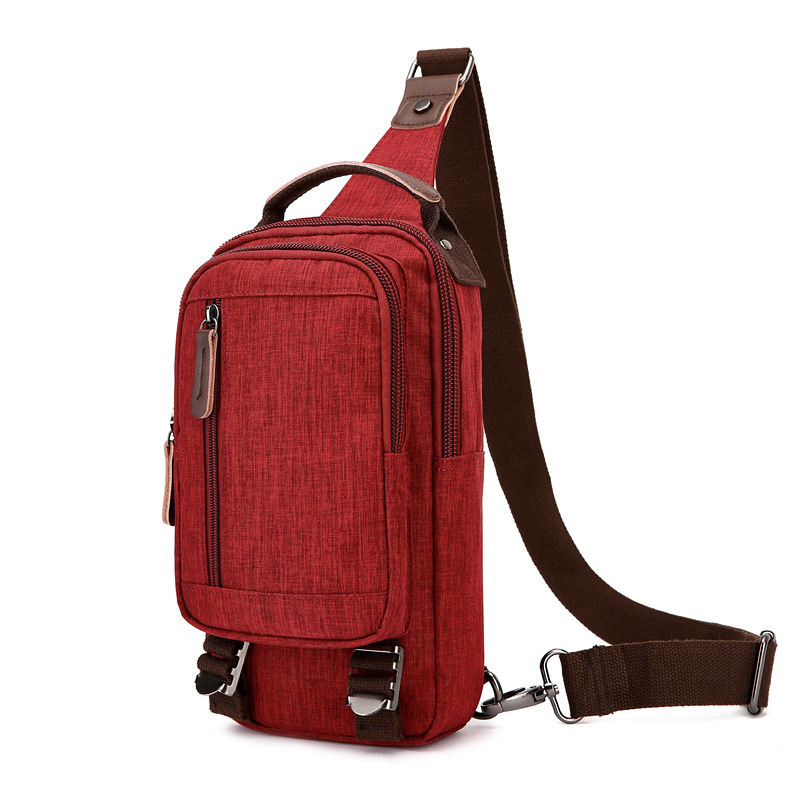
Crossbody formats stay relevant because they solve a practical problem: carrying essentials while keeping hands free and weight distributed across the body. That makes them useful for daily commuting, short trips, events, and urban retail assortments. The category also spans a wide range of materials and constructions, from a compact leather crossbody bag to a casual fabric version or a larger utility style.
For buyers, that range is both an opportunity and a trap. A style that looks versatile on paper can feel too small in practice, or too bulky for customers who want something light. The wrong strap hardware, weak stitching at the anchor points, or a zipper that snags under load can turn a promising sample into a returns problem. In accessories, those failures show up quickly.
Quick Reference: Core Style Choices
Small versus large formats
A small crossbody bag usually suits minimal carry: phone, keys, card holder, lip balm, and a few personal items. It works well for fashion-driven purchases and travel add-ons. A large crossbody bag gives more room for a wallet, power bank, compact umbrella, notebooks, or a small tablet, but it can lose the light, neat profile that makes the format attractive in the first place.
Women's and men's assortments
Women's crossbody bag assortments often lean into texture, finish, hardware, and color range. Men's crossbody bag programs usually favor cleaner lines, darker tones, practical pocketing, and lower visual fuss. That said, the best-selling products often borrow from both camps. A neutral, well-proportioned bag tends to outlast trend cycles better than an overdesigned one.
Material and Construction: What Holds Up
Material choice affects not only appearance but also hand feel, weight, aging, and maintenance. Leather carries a premium image and can wear beautifully if the grade and finishing are suitable for the intended price point. Synthetic materials may offer better consistency, easier cleaning, and more predictable color matching across production runs. Fabric styles can be lighter and more casual, though they need thoughtful reinforcement in stress areas.
Pay close attention to the strap attachment points. They are a common failure zone because the bag is carried diagonally and the load shifts with movement. Stitch density, bartacking, edge finishing, and hardware strength matter more than buyers sometimes expect. It is also worth checking whether the bag stays closed when swung forward or bent under body movement; that is a small detail that customers notice immediately.
Selection Criteria for Buyers
Start with use case, not aesthetics. A travel-focused assortment needs secure closures and organized compartments. A fashion-led line may prioritize slim proportions, refined surface texture, and clean stitching. A value segment may need a simpler build, but not a flimsy one. Even in lower price tiers, the bag should feel coherent rather than compromised.
Size is another area where teams often overestimate customer tolerance. A design that looks balanced in a sample room can feel awkward once filled. Ask what the real everyday load is, then check whether the shoulder drop and strap adjustability support that load comfortably. If the strap is too narrow or slippery, the bag becomes annoying fast, especially on longer wear.
Closures deserve careful review as well. Zippers, magnetic snaps, flaps, and buckle details all affect access and security. There is no single best option, only a best-fit choice for the shopper and the setting. For example, a commuter may value a zip-top closure, while a fashion customer may accept a flap if the silhouette is stronger.
Common Mistakes in Crossbody Bag Sourcing
One common mistake is overfitting the design to trend imagery. Another is underestimating hardware weight, which can make a small style feel clunky. Teams also sometimes specify too many compartments, which sounds useful but can add cost, sewing complexity, and visual clutter. A practical bag is usually better than a crowded one.
Watch color and finish consistency, especially if you are building a collection with multiple styles. A leather crossbody bag in one finish and a synthetic version in another may look compatible in a line sheet, yet read as mismatched on shelf. That sort of detail affects perceived quality more than many buyers expect.
Practical Buyer Advice
If you are building an assortment, consider offering at least one small crossbody bag for minimal carry and one larger version for customers who want more utility. This gives your range a clearer purpose and helps reduce internal competition between styles. It also gives sales teams a cleaner story: one piece for essentials, one for everyday carry.
For sourcing, ask suppliers how they handle reinforcement at stress points, how strap adjustment works, and whether the bag keeps its shape when lightly loaded. Those questions sound basic, but they often separate a polished sample from a durable production style. If the supplier cannot answer clearly, that is a signal worth noting.
FAQ
Is a crossbody bag suitable for everyday use?
Yes, provided the size and strap design match the user’s daily carry. A well-built style can work for commuting, errands, and light travel.
What matters more: material or construction?
Both matter, but construction failures usually create the fastest customer complaints. A decent material with poor stitching will still underperform.
Should buyers choose fashion-first or utility-first styles?
That depends on the target customer. In many assortments, the strongest approach is a mix of both, with clear positioning so the styles do not compete directly.
Next Step for Product Teams
Before placing an order, review the sample in the same way a customer will use it: loaded, adjusted, worn, and opened repeatedly. That simple check will tell you more than a neat product sheet ever will. A crossbody bag succeeds when it disappears into the user’s routine. If it feels good in motion, holds what it should, and stays visually coherent after handling, you are probably looking at a product worth taking forward.