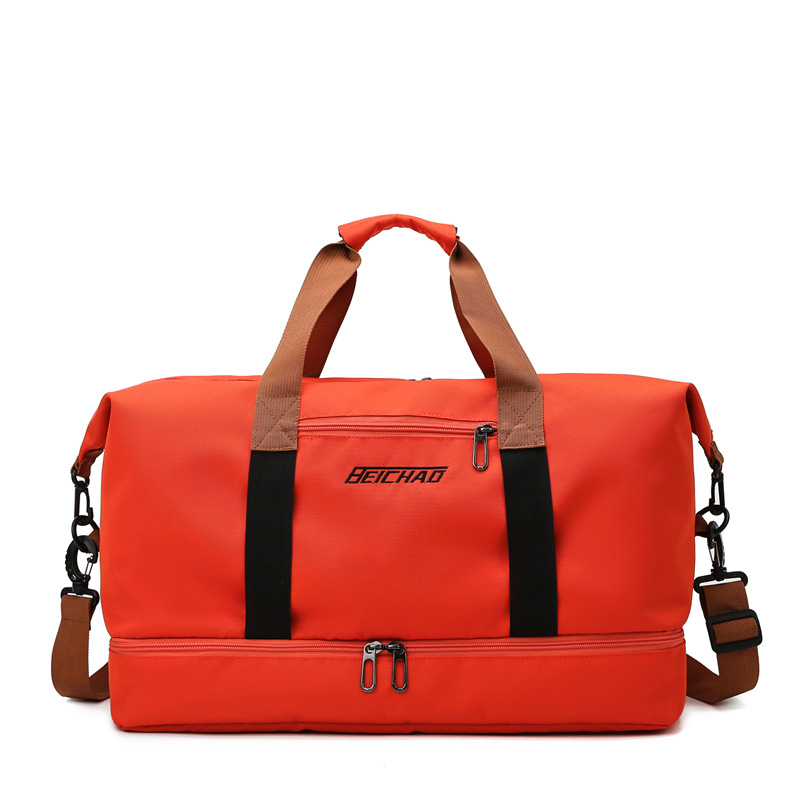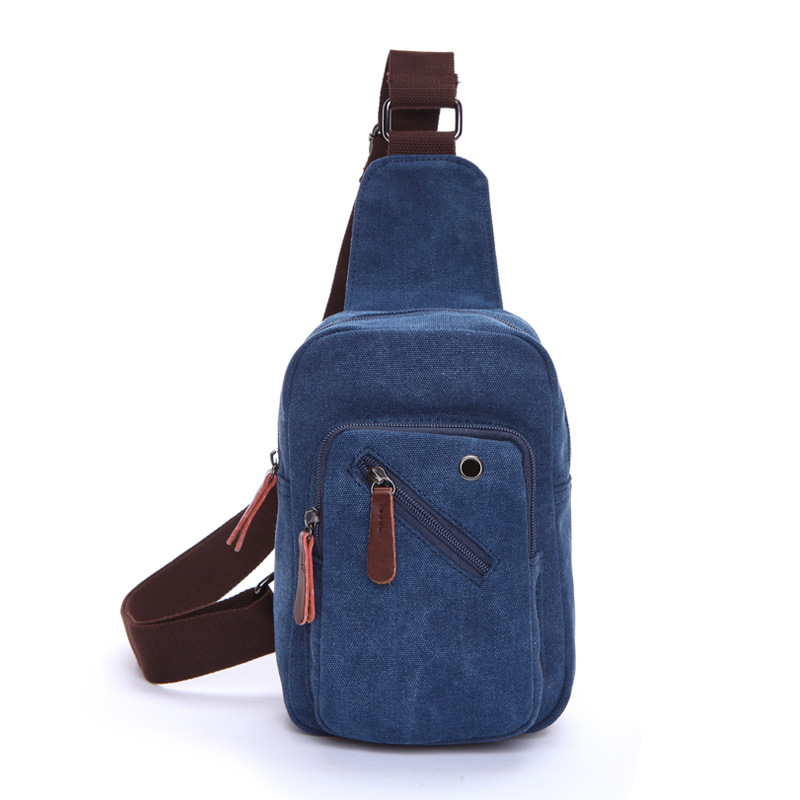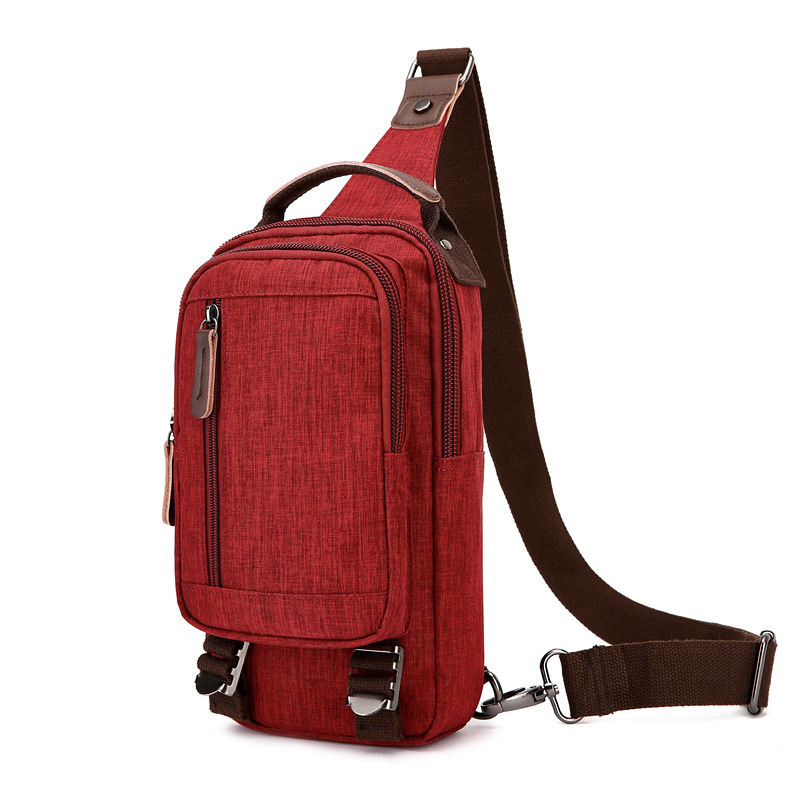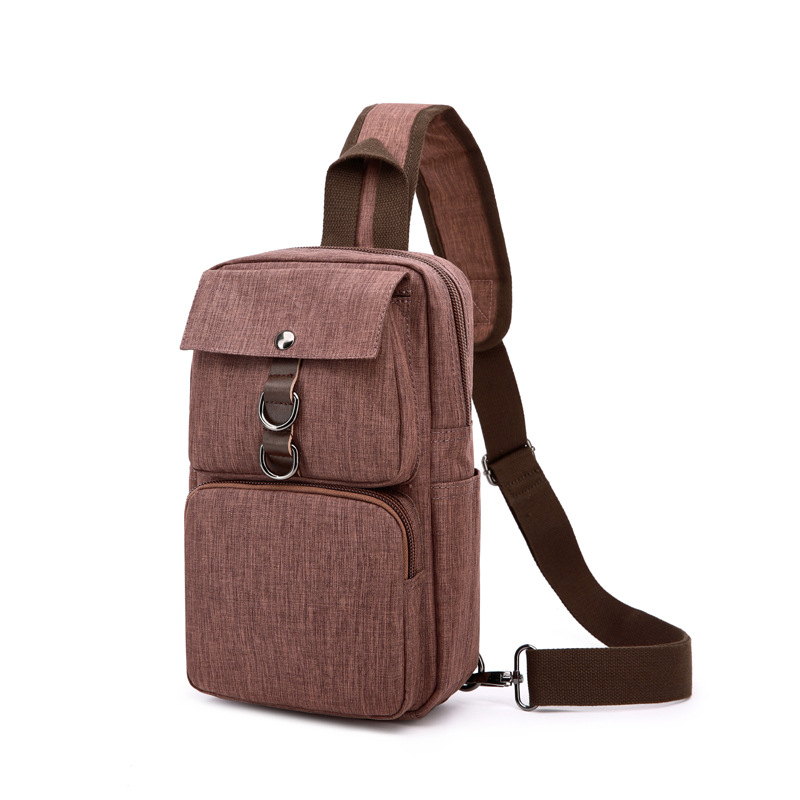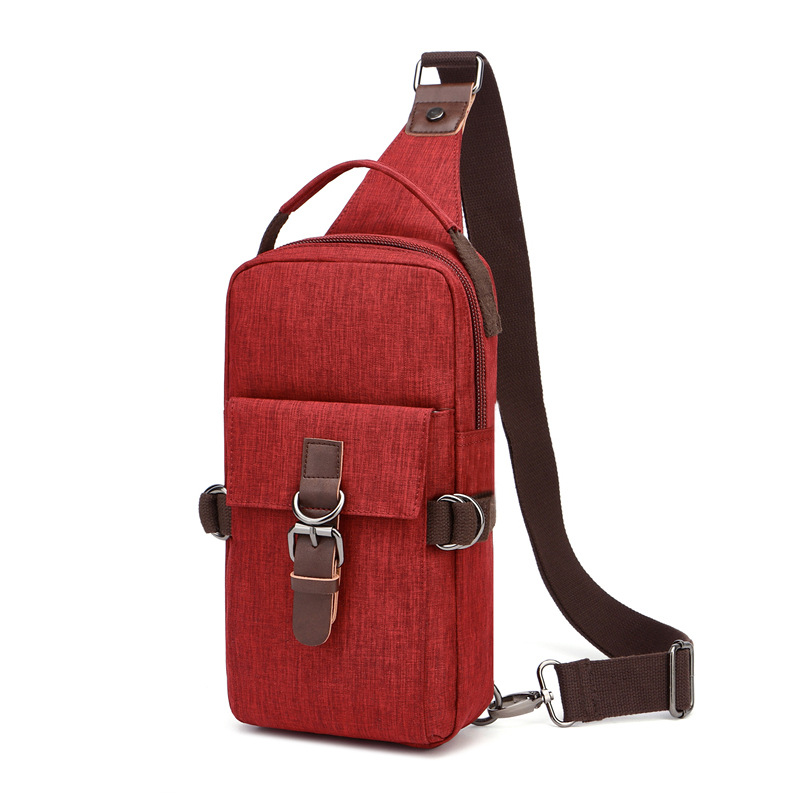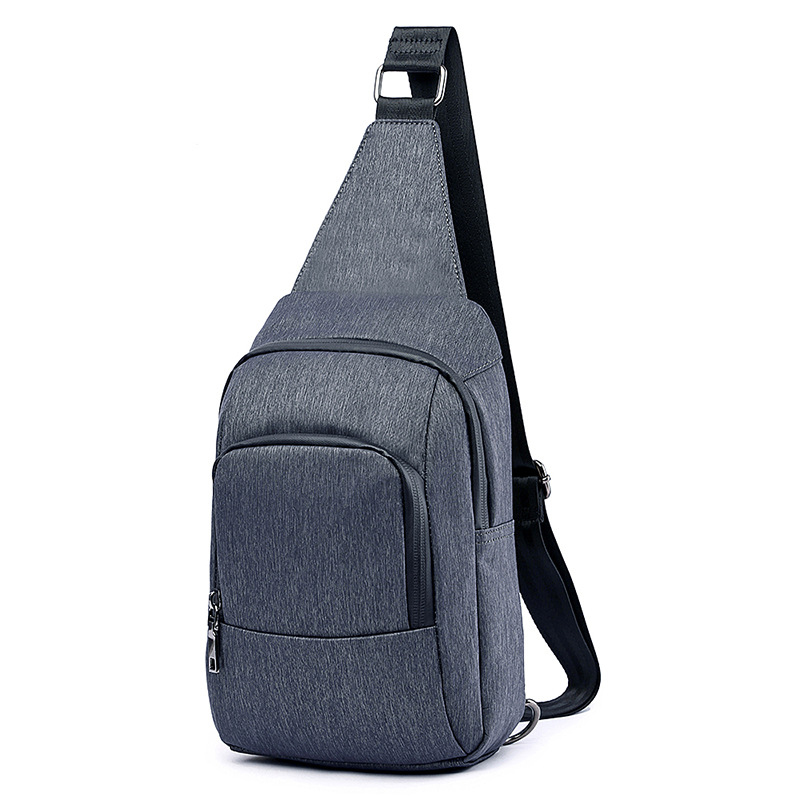
A waist bag looks simple, but the buying decision behind it is not. For sourcing teams, product managers, and retail buyers, the question is usually less about style than about use case: will it carry daily essentials without bouncing, survive frequent opening, and still look presentable enough for commuting, travel, or events? That is why the modern waist bag keeps showing up in product lines that need compact storage and fast access. It sits in a useful middle ground between pockets and larger carry solutions, which makes it surprisingly versatile.
Why the category still matters
The old image of a small tourist pouch is only part of the story. Today, a fanny pack can be worn at the waist, slung across the chest, or carried as a casual accessory for hands-free movement. That flexibility matters because buyers are not just selling storage; they are selling convenience, comfort, and a low-friction way to keep essentials close.
For end users, the appeal is straightforward. Phones, cards, keys, earbuds, and a passport all need a secure place. A compact waist bag gives those items a home without forcing someone to dig through a backpack. For active settings, the benefit is even clearer: runners, cyclists, event staff, and travelers want something light that stays put. Small details such as strap stability and zipper quality can decide whether the bag feels useful or irritating after an hour of wear.
Quick reference: the main formats
Classic waist carry
The traditional format stays close to the body and is still the most intuitive for users who want quick access. It works well for retail assortments aimed at travel, outdoor use, and everyday errands.
Cross-body wear
A crossbody waist pack has become common because it broadens the styling options and can feel more modern to younger buyers. It also helps a bag stay visible and accessible in crowded places, which is part of the reason it has moved beyond niche utility wear.
Performance-oriented designs
An adjustable waist bag is often the practical choice when one product must fit a wider range of body types or layering situations. Adjustable straps may sound ordinary, but they matter when the same SKU needs to work over a summer T-shirt and a winter jacket.
What to look at before you source
Material selection should match the intended use. Lightweight synthetics are common because they keep the product small and easy to clean. If the bag is meant for outdoor or travel use, a water resistant fanny pack can provide a useful buffer against drizzle, splashes, or damp surfaces. That said, water resistance is not the same as full waterproofing, so buyers should be careful not to oversell what the construction can realistically do.
Zippers deserve more attention than they usually get. A zipper waist bag may look basic, but poor zipper action is one of the fastest ways to create complaints. Teeth alignment, pull-tab feel, and stitching at the zipper ends all affect the user experience. If the main compartment is too shallow or the zipper opening too tight, the bag becomes annoying at exactly the moment it should be easiest to use.
Capacity is another point that can be misunderstood. A compact waist bag is attractive because it feels minimal, but minimal does not mean useless. The real question is whether the internal layout supports the essentials without creating a bulky profile. One zip pocket can be enough for some users; others will want a divider or front pocket for quick-reach items.
Buyer cautions that save headaches later
Do not choose only by appearance. A festival fanny pack may sell on style, but if the strap slips under movement or the pocket depth is too shallow, returns can rise quickly. Likewise, a travel waist pack should be tested against the actual load it is expected to carry, not just an empty sample on a desk.
It is also worth checking how the bag sits when worn over different layers. A design that feels fine in a showroom can twist, ride up, or buckle awkwardly once it is loaded. That kind of issue is easy to miss in photos and hard to defend once customer feedback starts coming in.
Selection criteria that actually help
Start with the wearer, then move to the environment. For commuting, a discreet profile and clean look usually matter most. For festivals or travel, visibility, quick access, and secure closure become more important. For active use, stability and light weight take priority. Matching the product to the setting is more valuable than chasing every feature at once.
Buyers should also compare strap adjustability, hardware feel, stitching consistency, pocket layout, and the overall balance between form and function. A bag that looks premium but carries awkwardly will struggle. A bag that is practical but ungainly may still succeed if it solves a specific problem well.
FAQ
Is a waist bag still relevant? Yes, because people keep buying compact, hands-free storage for travel, events, and everyday movement. The category has simply expanded in how it is worn and marketed.
What is the main difference between a fanny pack and a crossbody waist pack? In practice, the difference is often styling and wear position rather than core function. Both aim to keep essentials close and accessible.
Which feature matters most? For most buyers, strap comfort and closure reliability matter more than extra decoration. If those are weak, the rest of the design matters less.
Next step for buyers
If you are building an assortment or comparing suppliers, start with the intended use, then narrow the bag down by construction, closure quality, and carry comfort. The best waist bag is rarely the flashiest one. It is the one that performs cleanly in the environment where it will actually be used, and that is the standard worth holding in sourcing discussions.