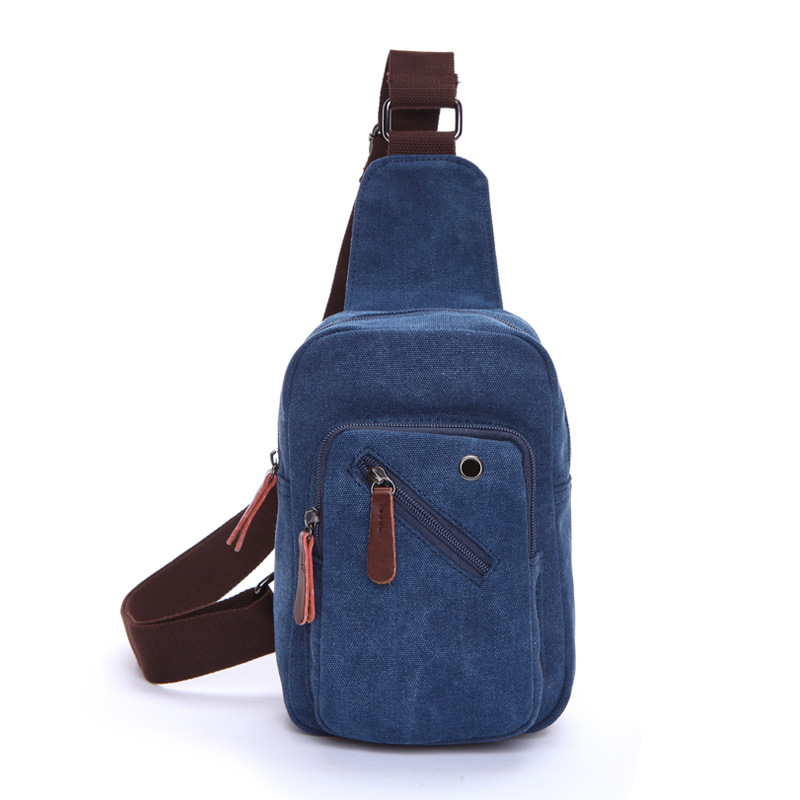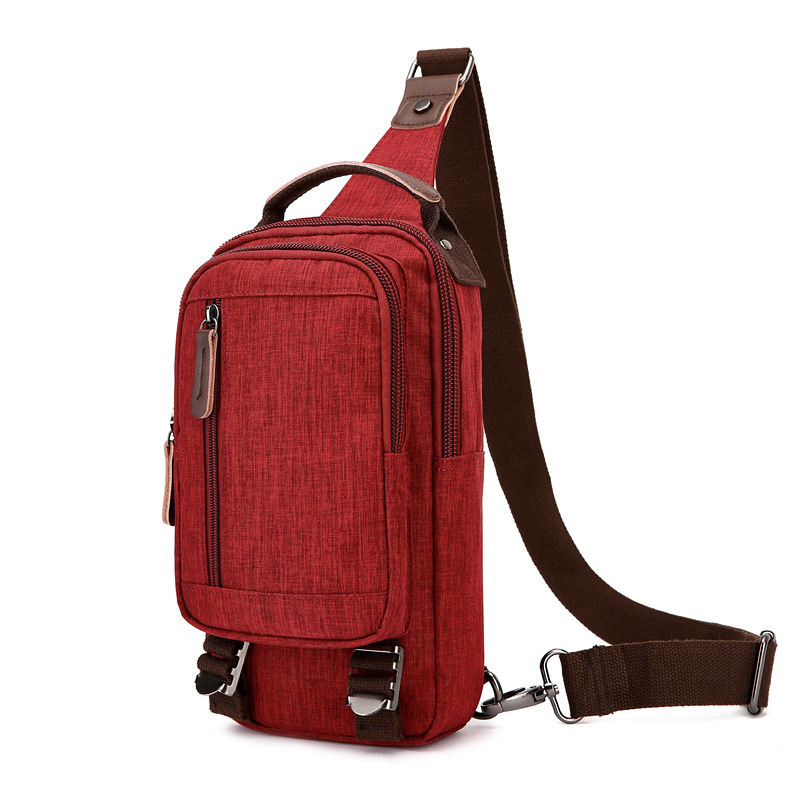
Why the crossbody bag keeps showing up in buying shortlists
A crossbody bag is one of those products that looks simple until you have to source, spec, or compare it against other carry styles. For consumers, it’s a daily-use item. For buyers and product teams, it sits at the intersection of comfort, capacity, hardware quality, and price. That combination makes it easy to underestimate and hard to get wrong.
The basic appeal is practical: the strap crosses the body, so weight is distributed more evenly than in a handheld style, and the bag stays close enough to the body for commuting, travel, and retail settings where hands-free use matters. But once you move beyond the broad category, the decisions get more specific. Is this closer to a shoulder bag or a messenger bag? Should it read as a small handbag or a more utilitarian everyday bag? Is the target customer looking for a women's crossbody bag, a men's crossbody bag, or something unisex?
Those questions affect materials, dimensions, zipper layout, strap adjustability, and even the tone of the product. In other words, the bag is not just a silhouette. It is a use case translated into construction choices.
What buyers usually need to decide first
The fastest way to narrow the category is to start with the user job, not the fashion trend. If the bag is meant for commuting, then secure closure, quick-access pockets, and strap comfort matter more than decorative trim. If it is for casual retail positioning, the visual profile and color story may dominate. If it is being compared with a messenger bag, the buyer should ask whether the product needs a flap closure and more volume, or a slimmer body and lighter carry.
That distinction sounds minor, but it affects everything from stitch count to zipper length. A compact everyday bag can look clean on a shelf and still fail in use if the opening is too narrow. A bigger design may sell on storage alone, yet feel bulky once worn across the body. The right balance depends on who is carrying it and what they expect to keep inside.
Crossbody bag versus similar carry styles
It helps to compare the category with adjacent terms that buyers often use interchangeably.
Crossbody bag
Usually compact to medium in size, worn diagonally across the torso. The emphasis is comfort, access, and security. It can be casual or polished, depending on material and finish.
Shoulder bag
Worn on one shoulder rather than cross-body. It may offer a softer, more fashion-led look, but it can shift more during movement. Some shoppers like the easy reach; others dislike the lack of stability.
Messenger bag
Often larger, more structured, and associated with work or travel. Flap closures and rectangular shapes are common. If the target use is laptop carry or document transport, this is often the more honest category.
Small handbag
This term usually leans toward style first. A small handbag may be carried by hand or with a short strap, while a crossbody bag is judged more by wearability over time.
Materials and construction details that matter
In procurement, material choice is rarely just about appearance. A synthetic exterior may be easier to clean and more consistent in production, while leather or leather-look materials can elevate perceived value. Fabric bags often win on lightness, but they need disciplined sewing and edge finishing or they can look tired quickly.
Hardware deserves equal attention. Buckles, swivel hooks, zippers, and strap adjusters are small parts, yet they can make the difference between a bag that feels dependable and one that returns to the warehouse. Buyers sometimes focus on the front panel and ignore the strap attachment points, which is where failures often show up first. That is a predictable mistake, and an expensive one.
Interior organization also changes the user experience. One main compartment may suit a minimalist customer, but a few internal pockets can dramatically improve the perceived value of a women's crossbody bag or men's crossbody bag. The trick is not to overcomplicate the layout. Too many pockets can make the bag awkward, especially when the user only wants phone, wallet, keys, and a small accessory.
Selection criteria that reduce returns and complaints
Buyers should look at four things before locking a spec: carrying comfort, access, capacity, and visual positioning. Comfort starts with strap width and adjustability. Access depends on the opening shape and closure type. Capacity should match actual daily carry, not optimistic assumptions. Visual positioning is the brand question: does the product present as premium, casual, urban, travel-friendly, or giftable?
A useful internal check is this: if a shopper can’t tell in three seconds what the bag is for, the design may be too vague. That is not always a dealbreaker, but it can weaken merchandising. The best selling designs usually make their purpose obvious without looking rigid or overly technical.
Common mistakes when sourcing this category
One common mistake is over-specifying features that do not add real value. Another is choosing a strap that looks elegant but digs into the shoulder after a short walk. A third is treating size as a cosmetic decision. Bags that are a few centimeters off can change whether a phone fits easily, whether the zipper closes smoothly, and whether the bag sits flat against the body.
There is also the issue of category drift. A product may be marketed as a crossbody bag but function like a tiny messenger bag, or like a small handbag with a long strap. That might work if the audience is broad, but it can confuse buyers and inflate returns if expectations are not managed at the merchandising stage.
Practical advice for product and sourcing teams
Start with a sample that reflects real carry behavior. Put in the items people actually use, not just a stylized set. Check whether the zipper opens wide enough, whether the strap adjustment range fits different body types, and whether the bag stays balanced when filled unevenly. Those are simple checks, but they reveal most of the field problems before mass production.
If your line includes both a men's crossbody bag and a women's crossbody bag, avoid assuming the difference is only color or decoration. Often the real difference is proportions, pocket placement, and the level of structure customers expect. The market is more exacting than it looks from the outside.
FAQ
Is a crossbody bag suitable for everyday use?
Yes, that is one of its main strengths. It works well when the user wants hands-free carry without a large or bulky profile.
What makes it different from a shoulder bag?
The wearing position. A shoulder bag typically sits on one shoulder, while a crossbody bag is worn diagonally across the torso for better stability.
Is a messenger bag the same thing?
Not exactly. A messenger bag is usually larger and more work-oriented, though some smaller versions overlap with the category.
A simple next step
If you are sourcing or developing this product, write the spec around use case first and styling second. That approach usually leads to better fit, fewer compromises, and a bag that feels right in hand, on body, and on shelf. The category is broad, but the winning products tend to be specific.