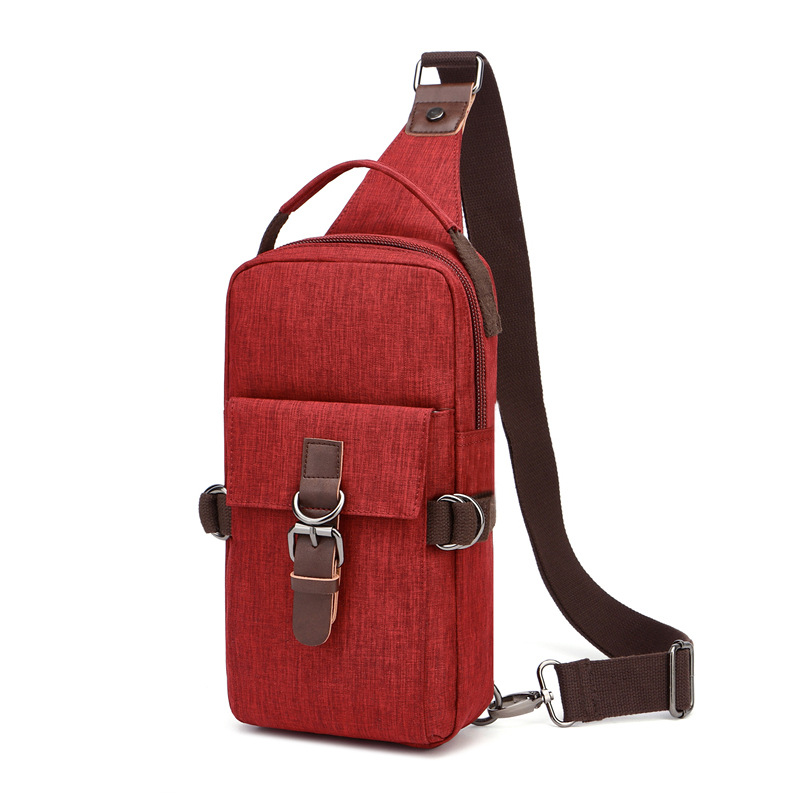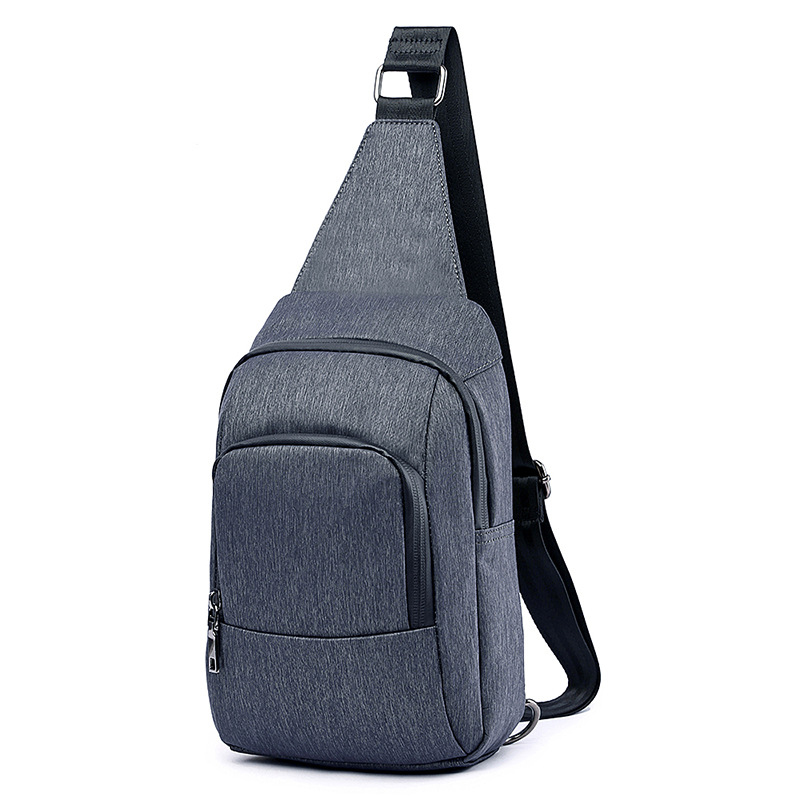
Why a waist bag still earns its place in modern gear systems
A waist bag is one of those products that looks simple until you actually need it to perform. For engineers, sourcing managers, and product teams, the real question is not whether a waist-mounted pouch is old-fashioned or trendy. It is whether the format solves a storage problem better than a pocket, shoulder bag, or vest-mounted carrier.
In duty use, outdoor work, and everyday carry, the appeal is obvious: keep small items close, visible, and accessible without filling jacket pockets or forcing a user to stop and unzip a backpack. The product described here sits firmly in the tactical utility category, with three front-mounted zippered compartments, a wide adjustable belt, and external webbing that suggests attachment points for extra gear. That combination matters because organized access is often more valuable than raw capacity.
What the visible construction tells a buyer
The bag shown is best understood as a tactical waist pack or patrol-style belt pouch system. It appears to use woven synthetic fabric, likely nylon or polyester, with a matte camouflage finish. The overall layout is compact and body-friendly, with a broad belt, side-release buckle, and multiple stitched pouch sections across the front.
Several details are worth noting from a purchasing standpoint. Three distinct compartments allow separation of items that would otherwise tangle together. Zipper closures are visible on each compartment, which usually improves retention for small tools, medical supplies, or personal essentials. The center pouch includes webbing loops that look designed for clipping or lashing light accessories, while the outer pouches appear to have additional strap or drawcord-style elements. None of that proves full MOLLE compatibility, but it does point to a utility-minded design language.
Where this format fits best
A waist pack can be a better choice than a larger bag when the user needs speed and reach. That is why the format appears in military, law enforcement, security, hiking, fishing, range use, and worksite applications. It also shows up in civilian travel and event settings, where a travel waist bag or festival fanny pack is preferred for keeping essentials close without constant shoulder carry.
For field personnel, the main advantage is distribution of small items. A flashlight, multitool, gloves, medical tape, batteries, cable ties, or a phone-sized object can be sorted into separate sections. That is a practical advantage over a single deep pocket. A fanny pack with zipper is especially useful in crowded or active environments because the closure adds a basic layer of retention.
Comparison points buyers should actually care about
Access speed
If the pouch must be opened repeatedly during a shift or hike, zipper placement and pull-tab size matter. A well-placed pull tab can save time with gloves on. Small hardware details often decide whether a product feels efficient or fiddly.
Carry separation
Three compartments are a useful middle ground. One pocket for frequently used items, one for backup or bulkier objects, and one for low-frequency essentials. A crossbody waist bag or waist-mounted hybrid may offer a different carry style, but the same organizational logic applies.
Retention and movement
A waist-mounted bag should stay stable when walking, bending, or climbing. The belt width and buckle style matter here. A loose or narrow belt can make even a well-made pouch feel awkward. In this kind of gear, fit is part of the product, not an afterthought.
Manufacturing view: what this product category usually requires
This is a classic cut-and-sew textile assembly. Typical operations include fabric cutting, webbing attachment, zipper installation, reinforced stitching at stress points, and buckle integration. Because the visible structure uses multiple compartments and external loops, stitching consistency is especially important. A weak seam near the belt or pouch mouth is the kind of defect that shows up quickly in real use.
For sourcing teams, it helps to treat the product as a system rather than a single pouch. Fabric, thread, zipper quality, webbing, buckle hardware, and seam reinforcement all affect performance. The term waist pack can cover many constructions, but not every version is suitable for duty or outdoor environments.
Common mistakes when evaluating a waist bag
The biggest mistake is overemphasizing appearance. Camouflage, matte finish, and tactical styling are easy to spot, but they do not guarantee durability or practical layout. Another common issue is assuming that external webbing automatically means full modular compatibility. That may be true, or it may simply be decorative utility styling.
Buyers should also be cautious about overloading small waist packs. The format is best for compact, frequently accessed items. Once the contents become bulky, the bag can shift on the body and lose the main advantage of hands-free carry.
Buyer checklist before placing an order
Ask for exact dimensions, zipper specification, fabric type, and any reinforcement details that are not visible in photos. Confirm whether the belt adjusts enough for your intended user range. If the product is meant for field or security use, request clarification on load expectations and closure design. Do not assume water resistance unless it is explicitly stated and tested.
If your program includes multiple use cases, consider whether you need a civilian-style fanny pack look or a more rugged patrol/utility presentation. The visible product here leans tactical, which may suit one market segment better than another.
A practical next step for sourcing and development
If you are evaluating a waist bag for private label, retail, or operational use, start with the intended carry list. Once you know what the user must carry, the right pouch layout becomes much easier to specify. From there, focus on belt stability, compartment access, and sewing quality before you worry about styling touches.
In short, the best waist pack is not the one with the most features on paper. It is the one that keeps small gear secure, reachable, and out of the way when the user is moving.