Crossbody Bags and Why They Keep Showing Up in Product Lines
A crossbody bag looks simple on the shelf, but for brands, sourcing teams, and product developers it solves a very specific problem: hands-free carry without the bulk of a backpack or the formality of a briefcase. That balance is why the format keeps appearing in seasonal collections, corporate gifting catalogs, travel assortments, and everyday carry ranges. A good crossbody bag can move across use cases, but only if the material, strap construction, pocket layout, and hardware are chosen with some care.
For buyers, the real decision is not whether the silhouette sells. It does. The harder question is what version will fit the target customer, price point, and channel without creating avoidable returns. That means looking beyond colorways and asking what the bag is actually meant to carry, how it will wear, and whether the finish matches the brand promise.
What Buyers Usually Need to Decide First
A useful way to evaluate a crossbody bag is to start with the user scenario rather than the style name. A commuter needs quick access to a phone, wallet, and transit card. A traveler wants anti-fuss organization and a strap that does not dig in after two hours. A retail shopper may be looking more for appearance than capacity, which changes everything from the gusset depth to the number of compartments.
This is where product teams can save themselves trouble. If the item is meant to sit in the “everyday carry” category, it needs a different build than a dressier accessory. If it is positioned as a crossbody bag women will use for day-to-night wear, the profile often leans slimmer and more refined. If it is aimed at the crossbody bag men market, the brief may put more weight on utility, darker tones, and a more understated structure. Those are broad tendencies, not rules, but they matter in line planning.
Material Choices: Leather, Vegan Leather, and Canvas
Material selection drives cost, feel, and perceived value faster than almost any other feature.
A crossbody bag leather version usually carries the strongest premium signal. It tends to suit buyers who want a more mature look and are willing to accept natural variation in grain and aging. The tradeoff is obvious: leather requires careful sourcing, finishing, and quality control to avoid inconsistency across batches.
A crossbody bag vegan leather can be the practical middle ground for brands that want a polished appearance without using animal-derived materials. The caution here is that “vegan leather” covers a wide range of constructions. Some versions look surprisingly close to leather; others can feel stiff or plasticky if the spec is not managed tightly. Buyers should ask for surface durability, flex behavior, and color stability information where available.
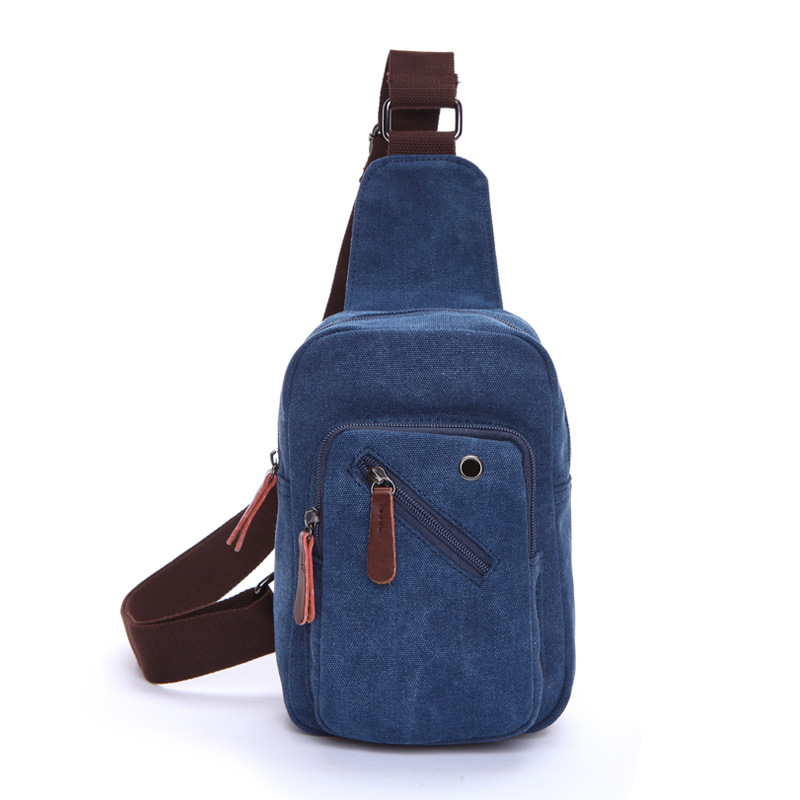
A crossbody bag canvas is usually the most casual of the three. It often works well for relaxed merchandising, travel accessories, and promotional programs. Canvas can also support printed branding more naturally than many coated materials. The downside is that it can read too informal for some gift or executive markets unless paired with better trims and cleaner stitching.
Construction Details That Separate a Solid Bag from a Return
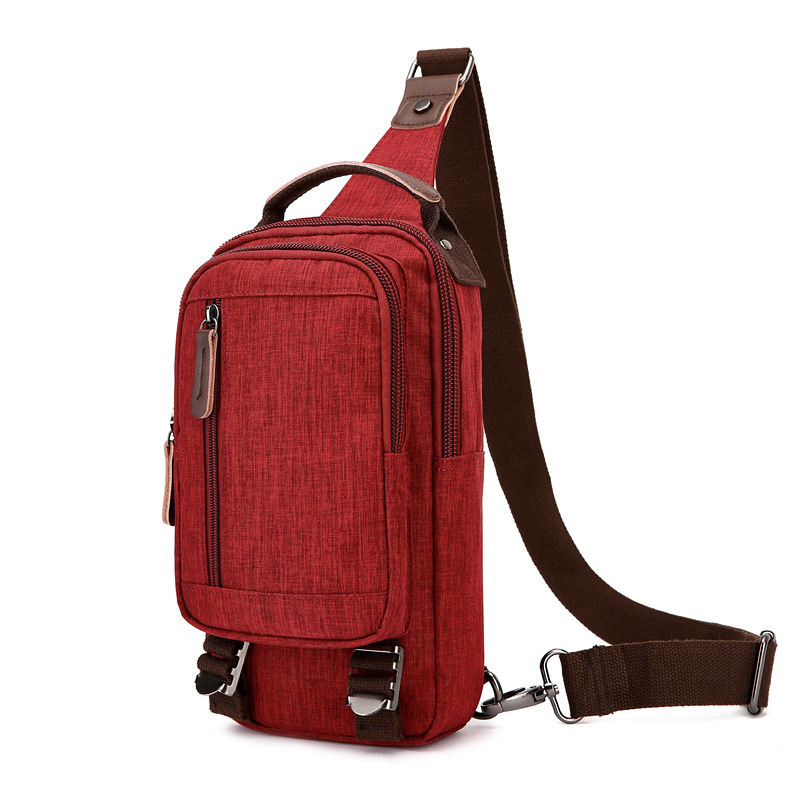
Strap hardware matters more than many sourcing sheets admit. If the adjuster slips, twists, or feels flimsy, the customer notices within days. Stitch density, reinforced stress points, zipper quality, and seam alignment all affect how the bag performs in the real world. Small interior mistakes also show up quickly. A pocket placed too low or too narrow can make the product look good in photos and awkward in use.
One practical warning: many bags fail not because the main body is weak, but because the strap attachment point is underbuilt. That is especially true for items sold as lightweight accessories but used by customers to carry more than planned. Engineers and sourcing managers should treat hardware and load paths as part of the core design, not afterthoughts.
Selection Criteria for B2B Buyers
When comparing samples, it helps to use a short but disciplined checklist.
1. End-use fit
Does the bag suit commuting, travel, retail fashion, gifting, or promotional distribution?
2. Material and finish
Does the selected material support the brand position and hold up in handling tests and consumer use?
3. Organization
Are pockets, closures, and interior divisions useful without making the bag bulky?
4. Strap comfort
Can it be worn for hours without obvious pressure or slipping?
5. Visual consistency
Do seams, edge paint, lining, and hardware look consistent across samples and production intent?
Common Buying Mistakes
The most common mistake is treating a crossbody bag as a generic fashion item. That leads to vague specs, and vague specs lead to surprises. Another frequent issue is over-designing the interior. Too many pockets can make the bag heavier and harder to use, especially in smaller formats. A third mistake is ignoring the consumer’s daily carry reality. If the phone, keys, wallet, and a few extras do not fit naturally, the bag may look right but fail in practice.
There is also a category issue. Not every customer wants the same aesthetic. A crossbody bag women line may benefit from softer proportions or more finish variation, while a crossbody bag men assortment often needs restraint and cleaner geometry. Mixing those expectations into one SKU without thought can blur the offer.
FAQ: What Buyers Ask Most Often
Is leather always the premium choice?
Usually, yes in perception. But premium also depends on craftsmanship, hardware, and brand context.
Is vegan leather a lower-quality option?
Not necessarily. Quality varies widely by material construction and supplier control.
Is canvas only for casual use?
Mostly, though cleaner construction and better trims can make it suitable for more polished collections.
A Practical Next Step for Product Teams
Before placing an order, define the user, the carrying load, and the material story in writing. Then compare samples under real use, not just on a table. A crossbody bag is a small product, but it is judged quickly and used hard. The best versions feel obvious after a day of wear; the weak ones announce their problems almost immediately. For sourcing, that difference is worth catching early.