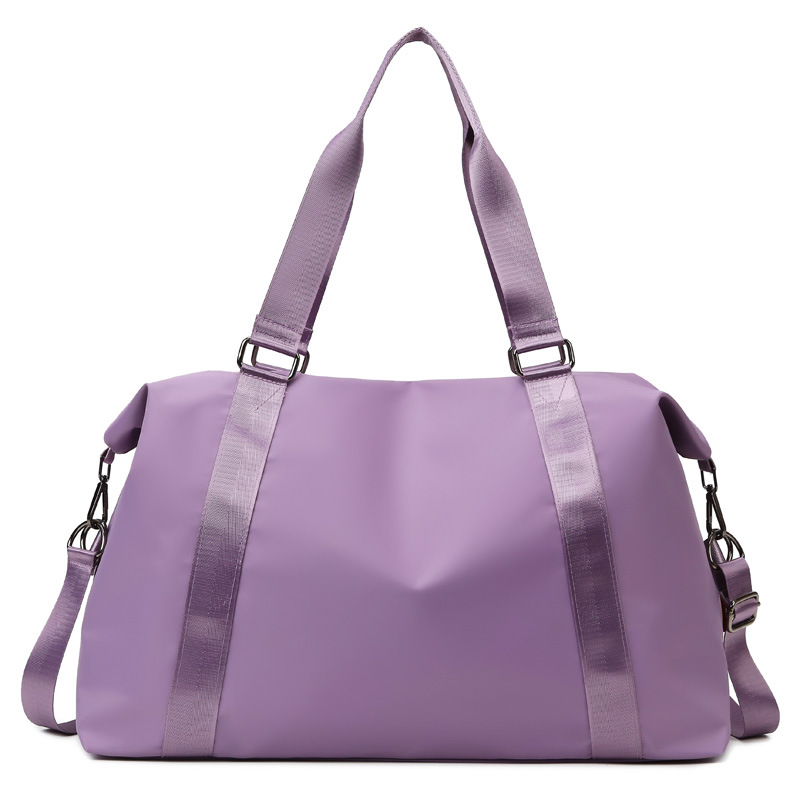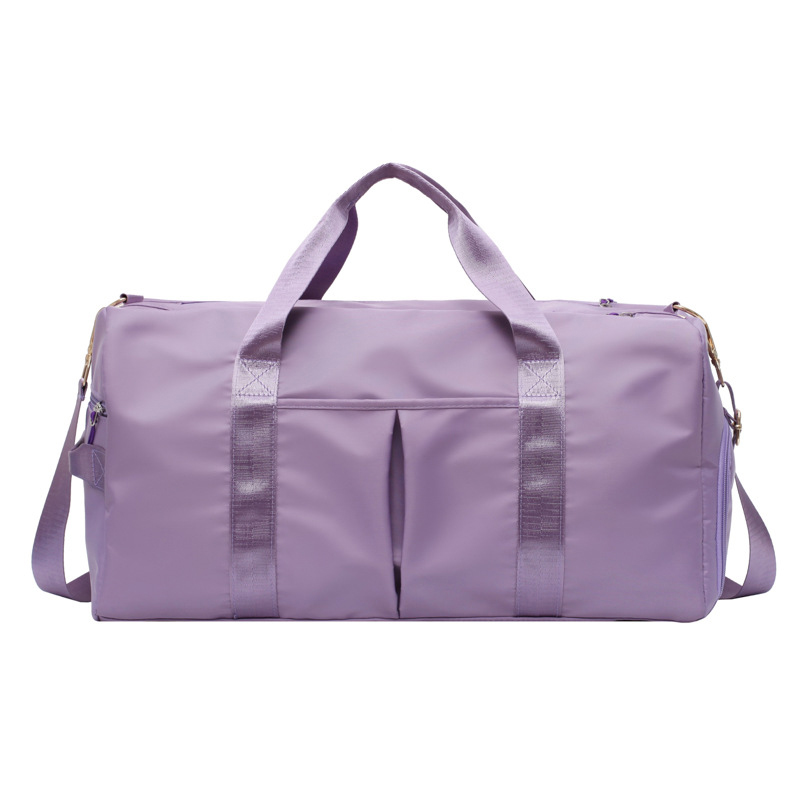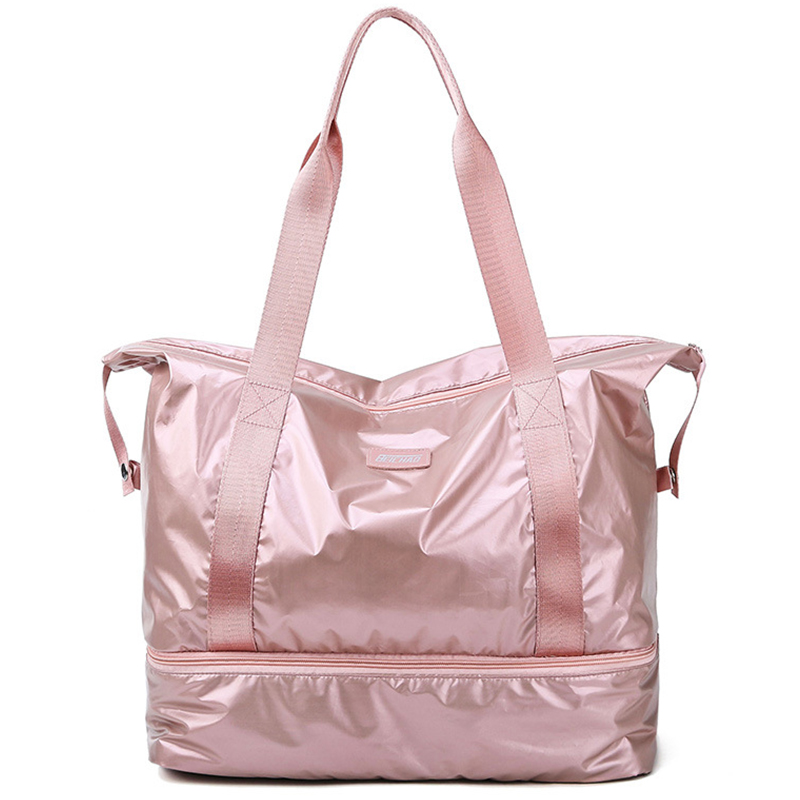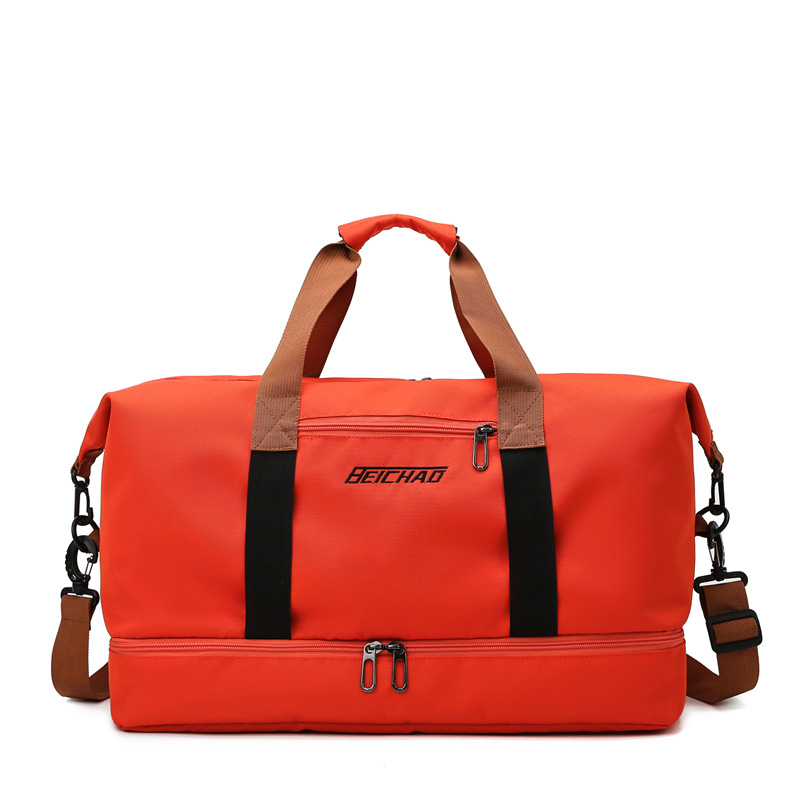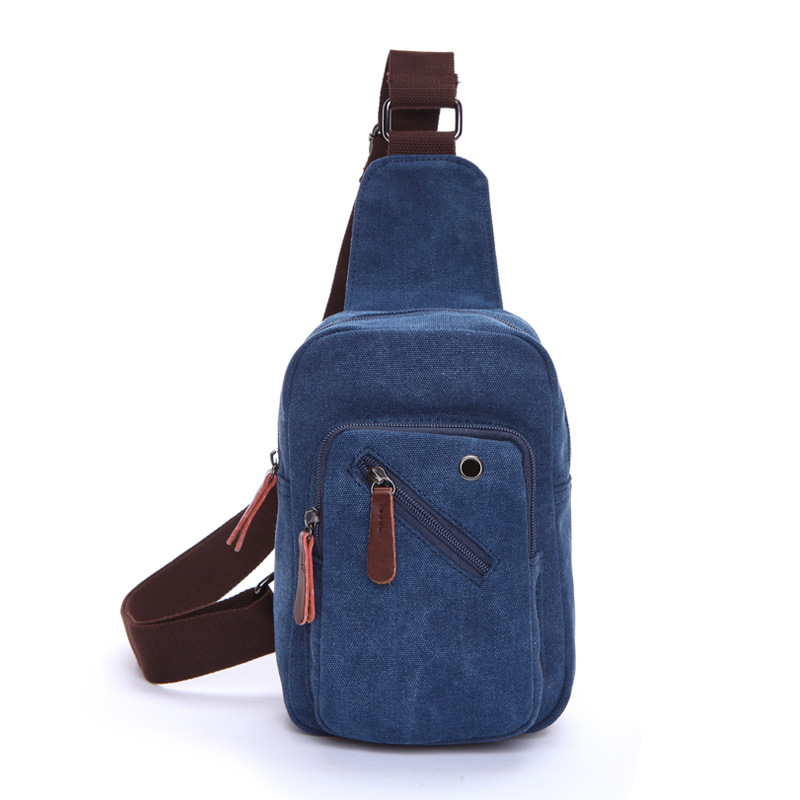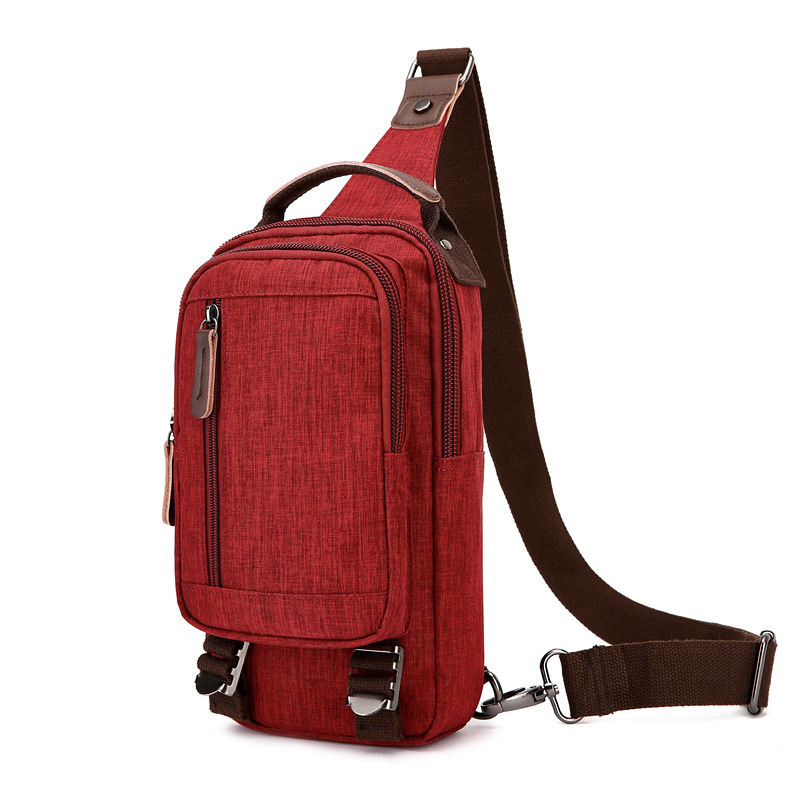
Why the crossbody bag still matters in a crowded accessories market
A crossbody bag is one of those products that looks simple until a buyer has to specify it for a line, a retail shelf, or an export order. The shape is familiar enough, but the details decide whether it becomes an everyday carry item or another returned purchase. Strap drop, pocket layout, closure type, material hand-feel, and weight all affect how the bag wears in real life. For sourcing teams and product developers, that makes the category more technical than it first appears.
The basic appeal is obvious. A bag worn across the torso keeps hands free, sits close to the body, and usually spreads weight better than a shoulder bag. That matters in commuting, travel, retail errands, and outdoor use. It also explains why the market splits into so many subtypes: compact styles for essentials, roomier versions for workdays, and fashion-led shapes that prioritize silhouette over storage. The buyer’s job is to decide which version fits the intended user, not just which one looks good in a line sheet.
Quick comparison: what buyers are usually choosing between
The term covers more ground than many catalogs suggest.
A small crossbody bag is generally chosen for minimal carry: phone, wallet, keys, perhaps a compact cosmetic pouch. It tends to sell well in travel and casual fashion channels because the use case is easy to understand.
A large crossbody bag moves closer to an all-day carry format. It can hold more documents, a tablet, or bulkier personal items, but once it grows too heavy it starts competing with totes and messenger styles. That crossover point is worth watching.
A women's crossbody bag often places more emphasis on styling, surface finish, and hardware presentation. A men's crossbody bag, by contrast, is frequently judged on practical pocketing, neutral colorways, and a cleaner profile. These are broad tendencies, of course, not rules. Good product teams know that customers ignore categories when the design solves a real need.
Leather crossbody bag options usually sit higher in the value stack because they communicate durability and a more premium look. Still, leather alone does not guarantee a better product. Construction quality, edge finishing, lining, and strap reinforcement matter just as much, especially at the stress points where failures show up first.
What makes a good crossbody design in practice
The most common mistake is designing for the photo instead of the carry experience. A bag can look balanced on a model and still twist uncomfortably after ten minutes of use. Strap adjustability is one of the first things to verify. If the adjustment range is too narrow, the product excludes a chunk of users; if it is too loose or badly stitched, the bag quickly feels cheap.
Pocket layout deserves more attention than it usually gets. Buyers often ask for “more compartments,” but too many small sections can make the interior awkward and reduce usable space. The right answer depends on whether the customer wants fast access or better organization. For a commuter style, a zip pocket and a secure main compartment may be enough. For travel, a front pocket, back pocket, and internal divider can make the bag more functional without becoming cluttered.
Material choice also changes the commercial outcome. A leather crossbody bag may age well and sell on appearance, but it can cost more to produce and may weigh more than synthetic alternatives. Fabric or coated materials are often easier to keep light, although they need careful testing for abrasion, seam strength, and color consistency. In a bag category, small defects are visible quickly. A slightly misaligned pocket or weak zipper pull can affect perceived quality more than the buyer expects.
Selection criteria that save time during sourcing
Before approving a style, it helps to ask a few practical questions:
Who is carrying it, and for how long?
What must fit inside on a normal day, not the best-case day?
Will the bag be worn for commuting, travel, retail use, or casual fashion?
Should the product read as premium, utility-focused, or unisex?
Those questions sound basic, but they prevent a lot of expensive sampling rounds. They also keep teams from specifying a women’s crossbody bag that is too decorative for everyday use, or a men’s crossbody bag that is so plain it disappears on the shelf.
Common buyer mistakes
One frequent error is oversizing the product to “add value.” If the bag becomes bulky, the crossbody format stops feeling agile. Another is underestimating hardware. Cheap zippers, weak swivel clips, or straps that fray at the edges often create returns long before the body fabric fails.
Color choice can be a trap as well. Fashion buyers may want a strong seasonal palette, but core colors usually carry the line. Neutral black, brown, navy, and similar shades often support repeat sales, while more aggressive fashion colors should be treated as controlled bets.
Practical advice for brands and sourcing teams
If you are developing crossbody handbags for a retail program, start with use case first and aesthetics second. That does not mean compromising design. It means making sure the bag actually behaves like the customer expects once it is loaded, worn, and opened repeatedly.
For OEM and private-label projects, ask suppliers early about reinforcement at strap anchors, zipper quality, lining weight, and any material limitations. These are the places where cost-cutting usually shows up. A clean sample can still hide weak production choices if the review is too superficial.
FAQ
Is a crossbody bag the same as a messenger bag?
Not exactly. They overlap, but messenger bags are often larger and more utility-driven, while crossbody styles can be much smaller and more fashion-led.
Which is better for everyday use?
It depends on carry needs. For light daily carry, a small crossbody bag may be enough. For commuting or work, a larger format may make more sense.
Are leather styles always more durable?
Not automatically. Leather can wear beautifully, but construction quality and hardware still decide long-term performance.
What to do next
If you are evaluating a crossbody bag for a catalog, retail program, or private-label line, define the user scenario first, then match material, size, and strap structure to that scenario. That sequence usually produces better samples, fewer revisions, and a product that feels intentional rather than generic.