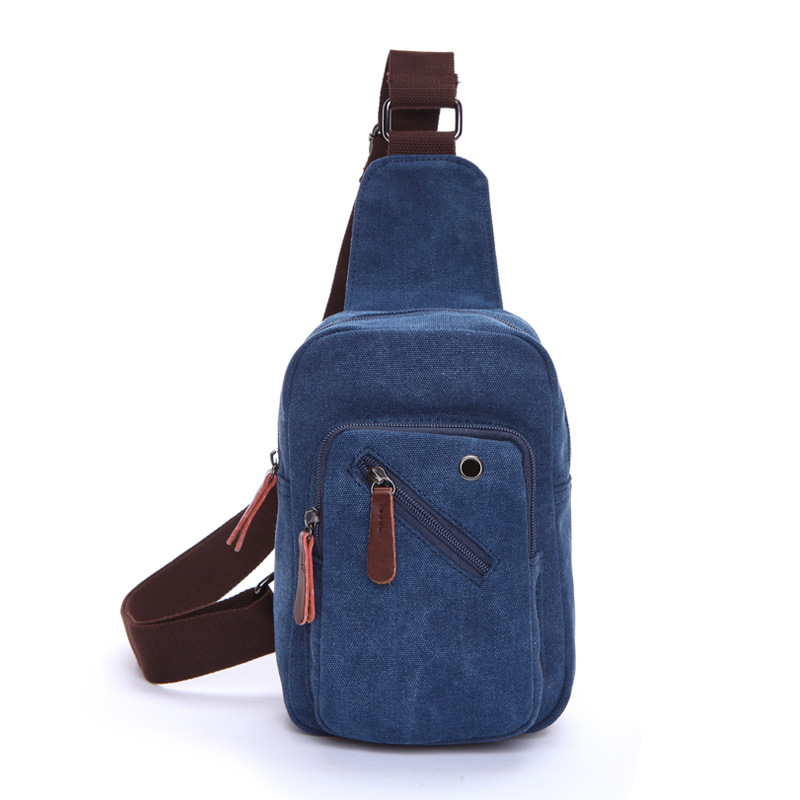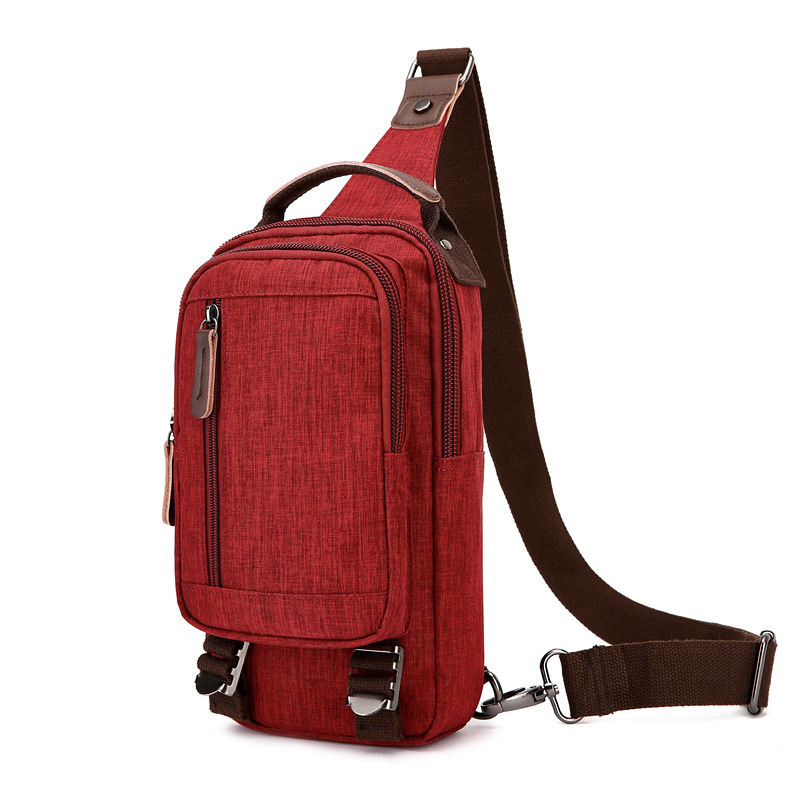
What Buyers Really Need to Know About a Crossbody Bag
A crossbody bag looks simple on the surface, but for product teams, sourcing managers, and retail buyers, it is one of those accessories where small design choices quickly change how well the item sells. The wrong strap geometry, pocket layout, or material feel can make the bag awkward in daily use. The right version disappears into a user’s routine. That is why a crossbody bag should be evaluated less like a fashion object and more like a practical carry solution.
For buyers comparing styles, the main question is not just aesthetic. It is whether the bag fits the intended user, carries the right load comfortably, and stays useful across commuting, travel, or casual wear. A crossbody bag men’s style may need a different silhouette and pocket structure than a crossbody bag women’s style, but the core expectations are similar: hands-free carry, fast access, and enough structure to avoid sagging.
Key Decisions That Shape Performance
The first decision is size. A crossbody bag small is often chosen for essentials only: phone, wallet, keys, and maybe a slim power bank. This format works well for light carry and low-profile styling, but it can frustrate users if the opening is narrow or if the interior has no organization. A crossbody bag large gives more room for tablets, notebooks, travel items, or a heavier daily load, yet it can become bulky if the strap is too thin or the bag body lacks support.
The second decision is material. A crossbody bag leather often signals a more polished look and better shape retention, but leather also changes the cost structure and care expectations. Buyers should think about finish, hand feel, edge quality, and how the surface will age with frequent use. For non-leather constructions, the same logic applies in a different way: the shell must feel durable, the lining should not snag, and stitching should hold up where stress concentrates around straps and zipper ends.
How Different User Groups Think About the Same Bag
A crossbody bag women’s assortment often leans into versatility. Shoppers may want something that works for errands, commuting, or weekend wear without looking overly technical. That usually means cleaner lines, manageable weight, and hardware that does not overpower the design.
A crossbody bag men’s assortment tends to face a different mix of expectations. Buyers often look for a restrained profile, easy access, and enough internal separation to carry daily items without clutter. But this is not a hard rule. In practice, the best-performing products are the ones that solve a use case clearly rather than trying to satisfy every style preference at once.
What Engineers and Sourcing Teams Should Inspect
A useful buying review starts with the strap. Is it wide enough to distribute load? Does the adjuster hold its position? Is the bag comfortable when worn across a coat or heavier garment? Those questions matter because strap complaints are common and hard to fix after launch.
Then look at entry and organization. A bag with a strong exterior look can still fail if the zipper track is stiff or the interior pockets are shallow. For travel-oriented styles, users usually appreciate a quick-access front pocket, a secure main compartment, and at least one zone that keeps small items from dropping to the bottom.
Construction quality deserves a careful glance too. Stitch density, seam alignment, reinforcement at stress points, and zipper installation all influence the life of the product. These are not glamorous details, but they are often what separates a return from a repeat purchase.
Common Buyer Mistakes
One mistake is choosing only by appearance. A compact profile can look premium in a line sheet and still be annoying in use if the opening is tight or the interior collapses.
Another is over-specifying capacity. A crossbody bag large is not automatically better than a smaller format. If the customer base mostly carries a phone and wallet, extra volume can feel unnecessary and make the bag hang awkwardly.
A third mistake is ignoring the target wearer’s daily routine. Commuters, travelers, and casual users do not pack the same way. The product should reflect the actual use case, not an abstract idea of convenience.
Practical Selection Criteria
If you are shortlisting models, compare them on a few practical points rather than style language alone:
- Carry load and intended contents
- Strap comfort and adjustability
- Material feel and maintenance expectations
- Interior organization
- Shape retention when partially filled
- Zipper and hardware behavior
These criteria sound basic, but they are the ones buyers end up discussing after samples arrive.
FAQ for Buyers
Is a crossbody bag best for everyday use?
Often yes, especially when the user wants hands-free carry and only needs a moderate amount of storage. The bag has to be sized correctly, though, or convenience turns into clutter.
Should buyers prioritize leather?
Not automatically. A crossbody bag leather style can add perceived value, but the material should match the audience, price point, and maintenance expectations.
What matters more: size or structure?
Structure usually matters more than people expect. A well-built crossbody bag small often feels more useful than a loose, oversized bag with poor internal support.
Next Step for Product Teams
If you are developing or sourcing a crossbody bag program, start with the use case, then confirm the dimensions, material direction, and strap construction against that brief. Sample evaluation should focus on comfort, access, and how the bag behaves when partially loaded. That approach may sound unromantic, but it prevents the most common mismatches between design intent and real-world use.